


Adjustable Power Supply 48v 60a
Design a high-current adjustable 48V 60A power supply using FQA6060 MOSFET for heavy loads, motor drivers, battery charging, and industrial projects.
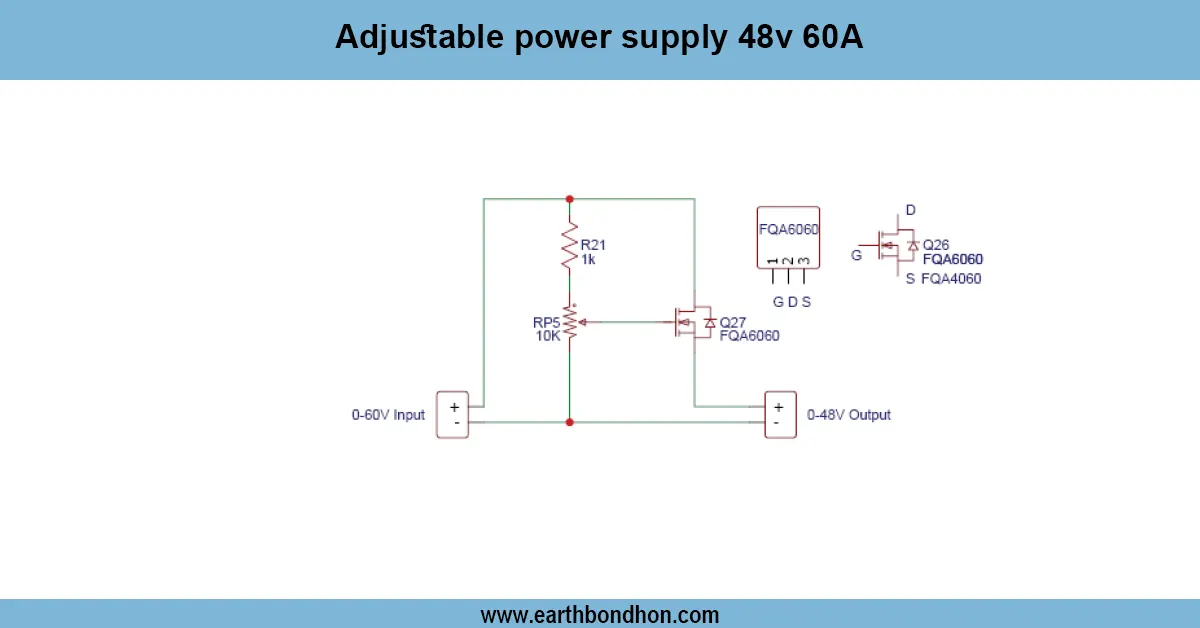
adjustable 48V 60A power supply
A highly regulated DC 48 V 60A power supply based on FQA6060 MOSFET is available as an adjustable DC power supply to EV batteries, motor drivers, and industrial electronics.
high current adjustable power supply DIY
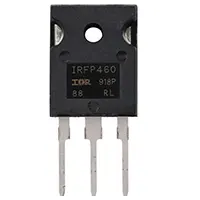
Adjustable Power Supply 48 V 60A with FQA6060 MOSFET is a high-power supply that has been designed to be used in applications that need to maintain a constant high current DC output. It is commonly applied in charging batteries of electric vehicles, motor drivers, solar power systems, and industrial electronics. FQA6060 is a high-power MOSFET that can easily deliver large currents and can therefore be used in the regulation of heavy loads.
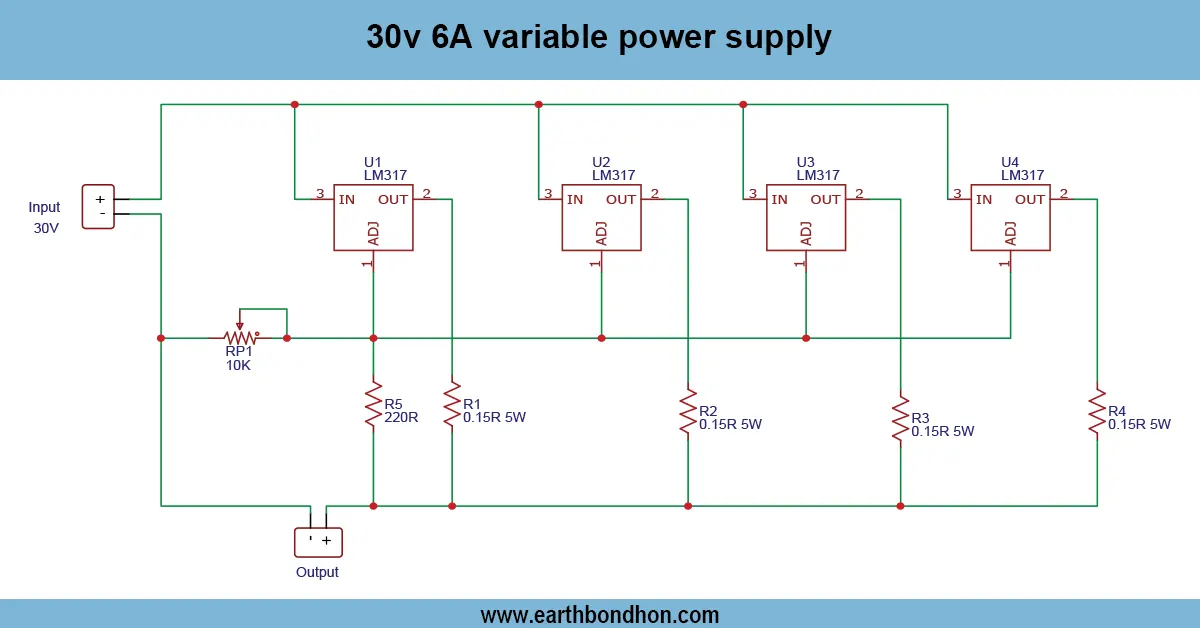
This design transforms AC input to a rectified DC output and filters it with capacitors, and then regulates it with FQA6060 MOSFET either in a linear or in a switching configuration. The output voltage can be smoothly varied between lower values and as high as 48V by introducing a variable resistor (potentiometer) in the gate drive circuit.
The large current capacity (60A) guarantees the use of heavy-duty batteries and motors. Safe operation requires the addition of proper heat sinks, cooling fans, and protection circuits such as over-current, short circuit, and thermal shutdown.
Work / Installation (Inputs → Outputs)
- AC Input (220V/110V) → Transformer/SMPS rectifier.
- Rectifier & Filter → Converts AC to smooth DC.
- FQA6060 MOSFET Regulation → Adjusts voltage & current.
- Output → Stable adjustable 48V DC up to 60A load.
Testing & Final Adjustments
Once the circuit has been assembled, the AC supply must be connected with due care using a protection MCB or fuse. Check the DC output using a multimeter before attaching the load. Adjust the potentiometer slowly to affect the voltage and ensure that it is under smooth control. Use a dummy load (resistive heater or DC bulb) to test current delivery up to 60A. Keep track of the temperature of the MOSFET with a thermal sensor; make sure that there are proper heat sinks and fans. Stability Check ripple voltage on the scope. Lastly, test under full load, i.e,. Motors or battery banks. When there is overheating, then the cooling of the chip can be increased, or parallel MOSFETs can be used to share the current.