Apparent Power Calculator
Calculate apparent power (VA) in AC circuits using voltage and current. Ideal for engineers, electricians, and students for power system analysis.

voltage current power calculator:
The Apparent Power Calculator is used to calculate the total power in AC circuits with RMS current and voltage. It assists in establishing VA ratings of generators, circuit protection, and transformers that consider both resistive loads and reactive loads.
electrical power calculator:
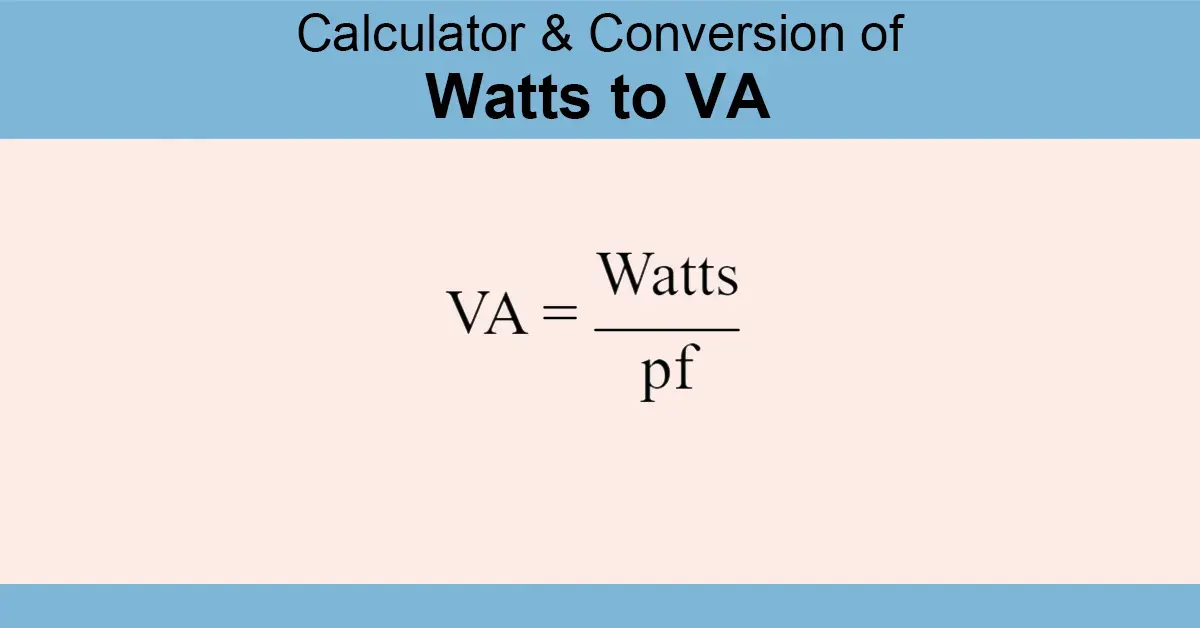
The Apparent Power Calculator determines the total power in an AC circuit, measured in volt-amperes (VA). Apparent power S is calculated as:
\[ S = V \times I \]
where V is RMS voltage and I is RMS current. Unlike real power (W), apparent power accounts for both resistive and reactive components, making it essential for designing electrical systems and sizing transformers, generators, and protective devices. By entering voltage, current, and optional power factor, the calculator can also compute real (P) and reactive power (Q). This tool is widely used by electrical engineers, electricians, and students to analyze AC circuits, ensuring efficient power usage and proper equipment selection. Low-competition keywords like “AC apparent power” and “voltage current power calculator” improve search visibility for technical queries.
⚡ Work & Installation (Input → Output):
Inputs:
- RMS voltage V (Volts)
- RMS current I (Amperes)
- Optional: power factor (PF)
Process / Work:
- Enter RMS voltage and current.
- Calculator applies S = V × I to find apparent power in VA.
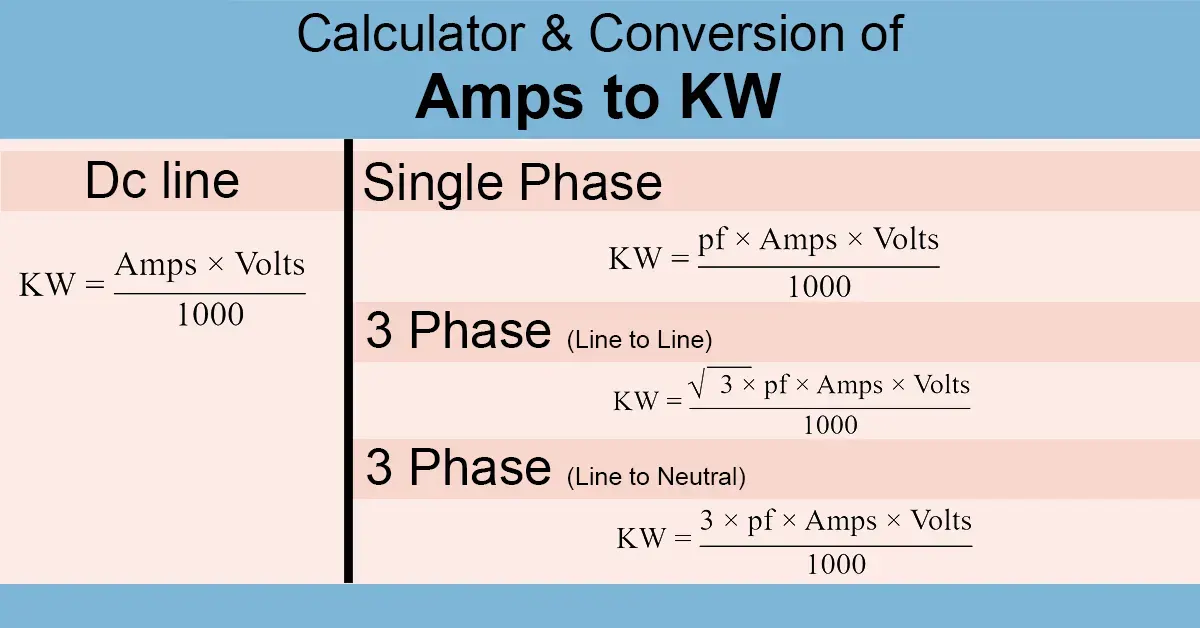
- Optional: compute real power P = V × I × PF and reactive power \( Q = \sqrt{S^{2} - P^{2}} \)
Outputs:
- Apparent power S in VA
- Optional: real power P in W, reactive power Q in VAR
Installation Notes: Use accurate RMS measurements. For three-phase systems, multiply by √3 for line-to-line voltage if using line currents. Ensuring correct voltage/current inputs prevents undersized equipment and inaccurate power readings.
Testing & Final Adjustments:
Checking the calculator: Test the calculator with a true RMS multimeter measuring AC voltage and current. Compare actual results of apparent power calculations with power meter results. In systems where the loads are reactive, ensure that The power factor is as anticipated. Check connections, make sure that the instrumentation is rated for the voltage/current used. Adjust the inputs in case phase angle differentiation is to be applied when making a single-phase determination in a three-phase system. Always record outcomes of system analysis and equipment sizing checks. Safe and accurate power Testing, transformer and generator sizing, and quality circuit design are all done through proper testing.