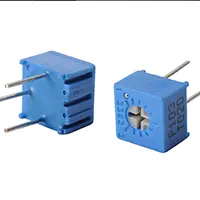


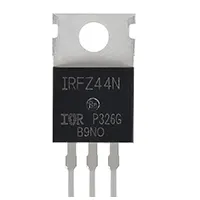
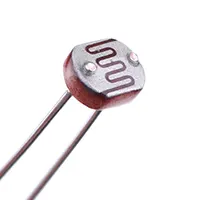
Auto night light on-off Circuit
Simple auto night light on-off circuit using IRFZ44N MOSFET. Automatically turns lights on at night and off during the day with efficient control.
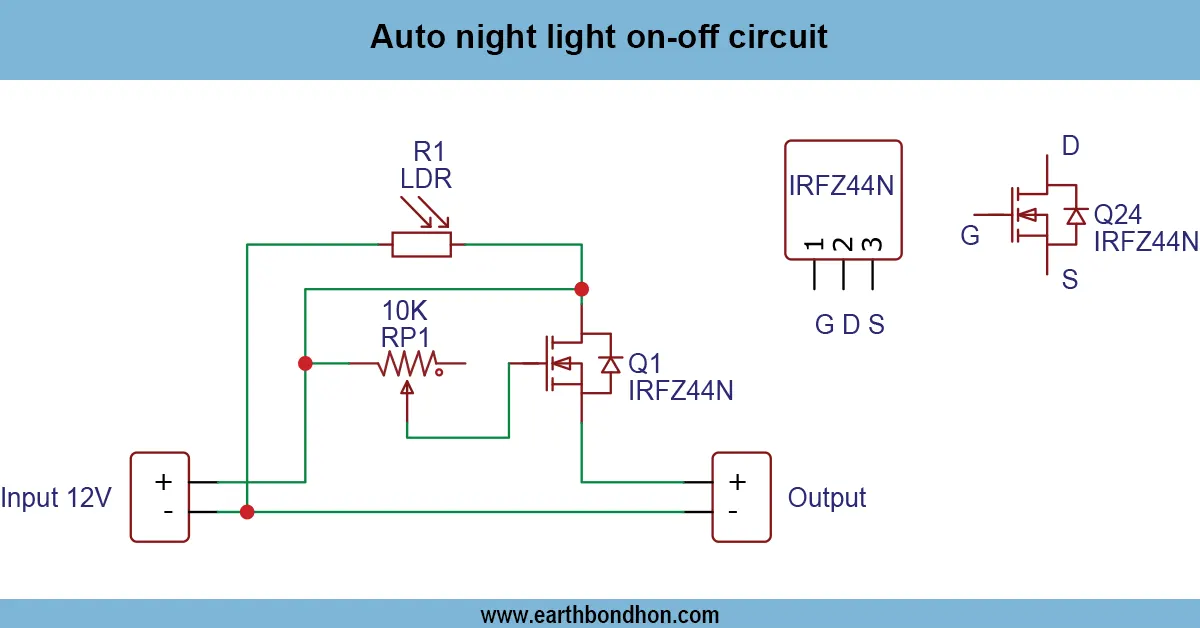
MOSFET night lamp circuit
Electronic Switch An auto night light circuit based on IRFZ44N MOSFET is an electronic switch that will automatically switch lights on at night and off during the day. The LDR sensor measures the obscurity of light, and the MOSFET is used as a switch to manage the load. This installation saves manual operation, and it is an efficient way of saving energy.
automatic light switch circuit
The IRFZ44N device of the auto night light on-off is a cheap and stable solution to turn on and off the lamps. It employs a Light Dependent Resistor (LDR) to detect the light in the environment. The LDR resistance decreases when there is an availability of daylight, the MOSFET is maintained off, and the light remains off. The LDR resistance is further boosted at night, and this activates the IRFZ44N MOSFET to turn on the lamp. This is an easy-to-construct and simple circuit that conserves energy and operates at 12V DC via the lamps or LED lights. It is a great solution to use outdoors in the garden lights, street lamp, or night lights in rooms that do not require hand control.
Work / Installation (Inputs → Outputs)
The circuit then joins an LDR and biasing resistors to sense daylight. The signal activates the IRFZ44N MOSFET, which is a low-loss electronic switch. It will be fed with a 12 V DC supply through the MOSFET to the lamp, the output. MOSFET is in the off state, and therefore, the lamp is off during the day. The lamp is automatically turned on by the MOSFET at night. It is easy to install: the LDR should be connected to the control pin, the power supply to the input, and the lamp to the output.
Testing & Final Adjustments
Once the circuit of the auto night light on-off is assembled with the components of IRFZ44N, switch it on by covering and uncovering the LDR. When it is daytime, the lamp should not be on. When it becomes dark, the lamp must switch on immediately. Tune the resistor that is linked to the LDR to adjust its sensitivity. In case the switch in the circuit occurs too soon or too late, adjust the resistor values to achieve a better performance. Make sure that IRFZ44N is properly heat-dissipated if the load in the circuit draws high current. Lastly, attach the LDR in a position where it would detect the natural light directly and ensure that it is not affected by the rain or dust to last long.


