Automatic On and Off Solar Light Circuit
Build an automatic on/off solar light circuit using LDR or comparator/relay, MOSFET/SCR switching, battery charging, and night detection — full parts, wiring, and troubleshooting.

What is an Automatic On and Off Solar Light Circuit?
An automatic solar light circuit is an independent electric system that has a solar panel and a battery that controls the lamp to ON when it is nighttime and OFF during the day. It eliminates mains power and manual switch over - it does it automatically day after day. Examples of common installations are garden lighting, street lighting, signage lighting, and emergency lighting.
automatic on off solar light circuit
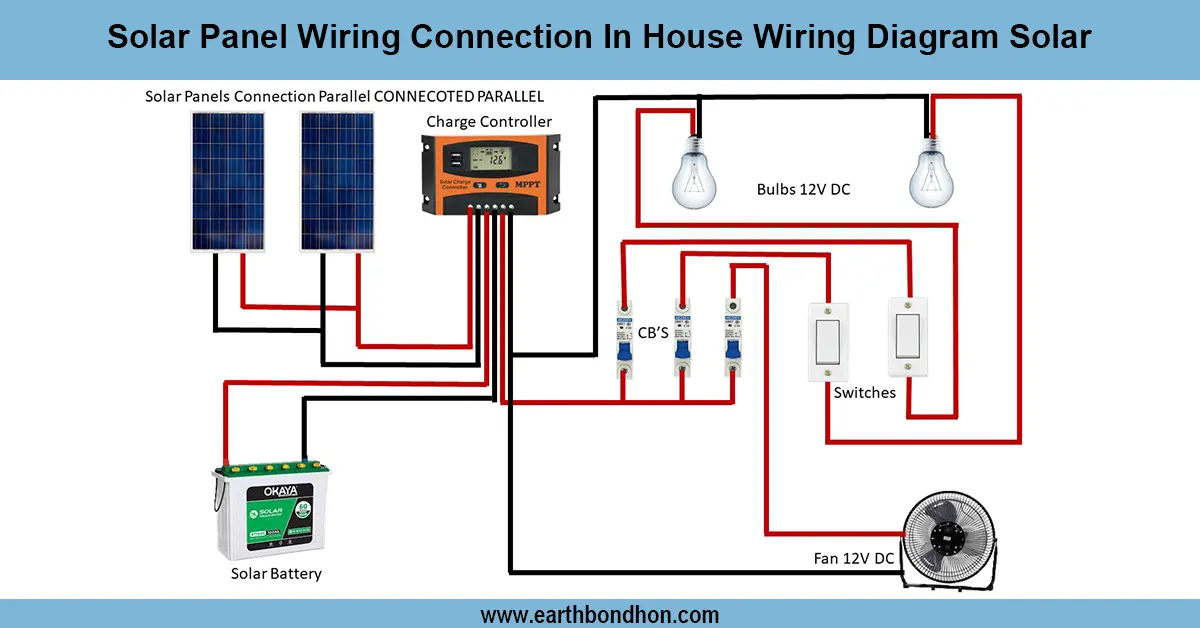
Automatic On and Off Solar Light Circuit enables solar lights to switch on when the sunset arrives and switch off when the sunrise occurs without human interference, which is suitable for garden lighting, pathway lighting, veranda lamp, and remote outdoor lights. Simply, the circuit consists of a solar panel, a rechargeable battery, a light sensor (usually an LDR), and a switching element (relay, MOSFET, or SCR). The panel charges the battery, and through thsensorrr the lamp stays off during the day, then when ambient light drops to a preset level, the controller switches on the lamp using battery accumulated energy. This operation can be achieved with a very simple LDR transistor circuit, or a more precise example can be done using an op-amp comparator (LM358/LM324) and with hysteresis to ensure that it does not flicker on twilight. To add more functionality, i.e,. For dimming, time-based operation, motion detection, or battery monitoring, an extra microcontroller, such as Arduino or ESP826,6, is required. One step-by-step guide will take you through theory, parts, wiring, charging, switching choices, threshold settings, troubleshooting, and safety to help you complete a reliable automatic on and off solar light circuit in your home.
How the Circuit Works (Principle)
Fundamentally the circuit performs two tasks: charging the battery during daylight and controlling the lamp by detecting ambient light to switch it on only at night.
Three Common Sensing / Control Approaches
1. LDR (Dark Sensor) Based Simple Circuit
Uses an LDR voltage divider feeding a transistor or comparator. Light keeps the transistor off, darkness raises resistance and activates the switching device.
- Pros: very low-cost and easy
- Cons: less precise, sensitive to ambient changes
2. Comparator / Op-Amp Based Precision Circuit (LM358/LM324)
Uses LDR signal vs reference threshold for clean switching; hysteresis prevents rapid toggling.
- Pros: accurate and stable
- Cons: requires more components
3. Microcontroller (Arduino) Based Smart Control
Reads sensors digitally and supports smart features like dimming, timing, and battery monitoring.
- Pros: highly flexible
- Cons: higher cost and programming complexity
Components Required
Basic (Minimum Working System)
- Solar panel
- Rechargeable battery (12V or Li-ion equivalent)
- Charge controller or diode
- LDR or light sensor
- Transistor / MOSFET / Relay
- Resistors, potentiometer, capacitors
- Lamp matched to supply
- Enclosure, connectors, fuse
Optional / Recommended
- LM358 / LM324 comparator
- Schottky diode or solar charge controller
- MOSFET driver
- Battery LVD or BMS
- Motion sensor / MCU
- Current sensing components
Circuit Diagram Explanation (Textual)
Simple LDR + Transistor + Relay Circuit
LDR divider feeds transistor base to control relay activation based on light.
Add flyback diode and proper rated switching device.
Comparator (LM358) with Hysteresis + MOSFET
Provides clean switching, adjustable threshold, and MOSFET-based load control.
Arduino Example (Smart)
Software thresholds, battery protection logic and timed switching available.
Construction & Wiring Guide
- Select panel and battery
- Add charge protection
- Assemble sensor stage
- Build switching stage
- Add hysteresis or software debounce
- Mount components
- Test switching behavior
- Final test with lamp
Solar Charge & Battery Management
Charge controller preferred for safety and battery life. BMS required for lithium systems.
Troubleshooting
- Lamp lights during day → reposition LDR
- Flickering → add hysteresis
- No charging → check polarity/orientation
- MOSFET heating → choose lower Rds(on)
- Rapid drain → battery undersized
Safety Tips
- Use fuses on all high-current paths
- Ventilate lead-acid batteries
- Use BMS for lithium
- Weatherproof electronics
Applications
- Garden and pathway lighting
- Signage and markers
- Porch and veranda lighting
- Street and yard lighting
- Smart solar lamp systems
Conclusion
The Automatic On/Off Solar Light Circuit can range from simple LDR switching to comparator-based control or microcontroller-driven smart lighting. Prioritize battery protection, correct sizing, sensor placement, and safe wiring for long-term reliable performance.