Inverter 12V to 220V
Learn how to make a 12V to 220V inverter at home. Step-by-step DIY guide with circuit diagram, components, working principle, and safety tips.

What is a DC to AC Inverter?
A DC to AC inverter is an electronic instrument which is used to transform direct current (DC) to alternating current (AC). Here, the DC is supplied by a 12V battery and then transformed in 220 V AC that drives home appliances.
Advantages:
- Provides AC power from a DC source
- Useful during power outages
- Portable and compact designs available
- Educational for electronics learning
Simple inverter using transistors
A 12V to 220 V inverter converts low 12V DC in a battery to a high voltage AC that can be used to operate domestic equipment. This is a DIY project that can be used to power up homes in case of power failure, act as emergency lighting, and minor electronics.
This instructive provides the information on how to assemble a 12 V to 220 V inverter, which is both simple and effective, in the house and uses the simple electronic elements and a transformer and switching transistors. And you will get to know about the principle of working, circuit diagram, assembly sequence, safety measures, and troubleshooting. This project can be found facing the hands-on DC to AC conversion project by electronics enthusiasts, hobbyists and students.
Applications of Inverter
- Home power backup for small appliances
- Emergency lighting systems
- Portable power for laptops and fans
- DIY electronics experiments
- Small-scale renewable energy setups
Components Required
| Component | Specification |
|---|---|
| Transformer | 12V to 220V, 50Hz or 60Hz, 10–100W |
| Transistors | BD139/BD140 or MOSFETs for switching |
| Resistors | 1kΩ – 10kΩ for biasing |
| Capacitors | Optional for smoothing |
| Diodes | Fast-recovery diodes |
| Wires | Thick for transformer connections |
| Heat sink | For transistors |
| Battery | 12V DC, 7Ah or higher |
| Soldering iron & tools | For assembly |
| Multimeter | For testing |
Working Principle12V to 220V Inverterrter
Oscillator Circuit Explanation
The oscillator generates a square wave at 50Hz or 60Hz. This square wave switches transistors alternately to drive the transformer.
Transformer Role in Voltage Conversion
The transformer steps up 12V DC pulsed through the oscillator to 220V AC output suitable for appliances.
Switching Devices
Transistors or MOSFETs act as switches to drive the transformer efficiently, alternating the current through its primary winding.
Inverter Circuit Diagram
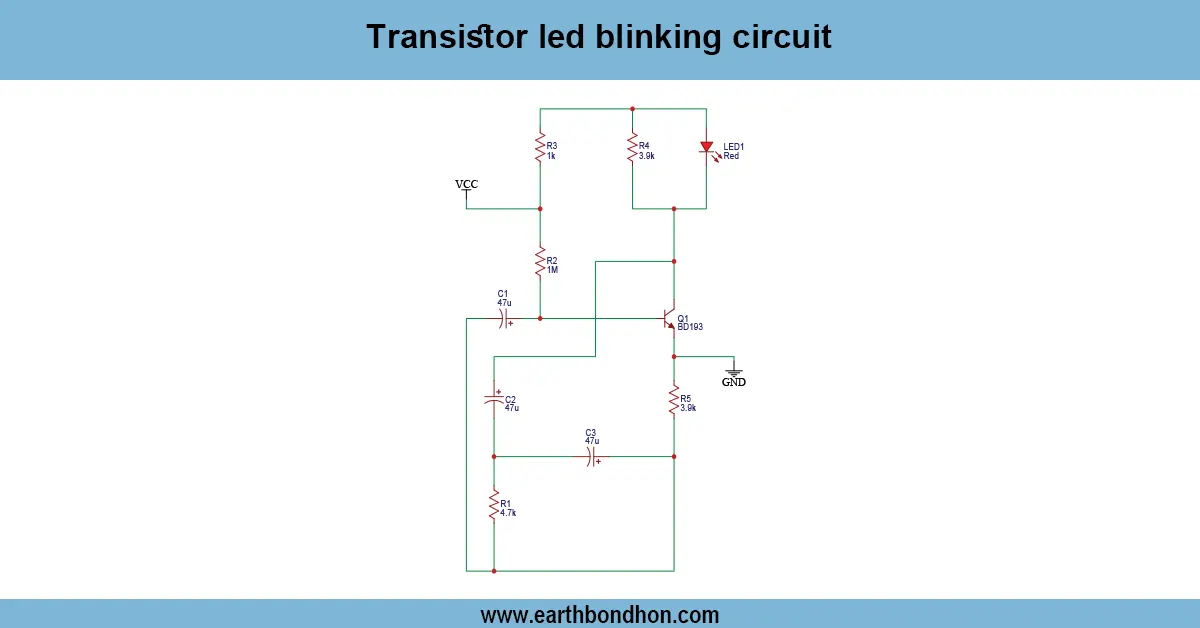
Connect a 12V battery to the circuit input. Use an oscillator IC or transistor-based square wave generator to alternately drive the transformer primary. The transformer steps up voltage to 220V AC at the secondary. Add heat sinks for transistors and optionally a fuse for overload protection.
Step-by-Step Construction Guide
- Assemble oscillator circuit on breadboard or PCB.
- Connect transistors to drive transformer primary.
- Solder resistors and capacitors for biasing and smoothing.
- Connect 12V battery to input terminals.
- Attach primary coil of transformer to transistors’ output.
- Verify connections and polarity.
- Test with low-power appliance first.
- Mount components on insulated base.
- Add heat sinks to transistors.
- Gradually test with higher loads.
Safety Precautions
- Avoid touching 220V AC while powered.
- Use fuses and protective devices.
- Keep circuit on a non-conductive base.
- Use heat sinks to prevent transistor burn-out.
- Test with small loads first.
Tips for Efficient Performance
- Use high-quality transformer.
- Ensure proper transistor selection for load.
- Avoid long wires to reduce voltage drop.
- Keep transistors and connections well-insulated.
- Test oscillator frequency for optimal performance.
Troubleshooting Common Issues
No Output Voltage
Check oscillator operation and verify battery connection and voltage.
Low Output Power
Ensure transistors can handle load current and check transformer rating.
Overheating Components
Add proper heat sinks and reduce load or duty cycle.