kWh to kW Calculator
Easily convert kilowatt-hours (kWh) to kilowatts (kW) using this simple calculator. Just enter energy and time to find power in kilowatts instantly.
Quick Intro: Convert kwh to KW
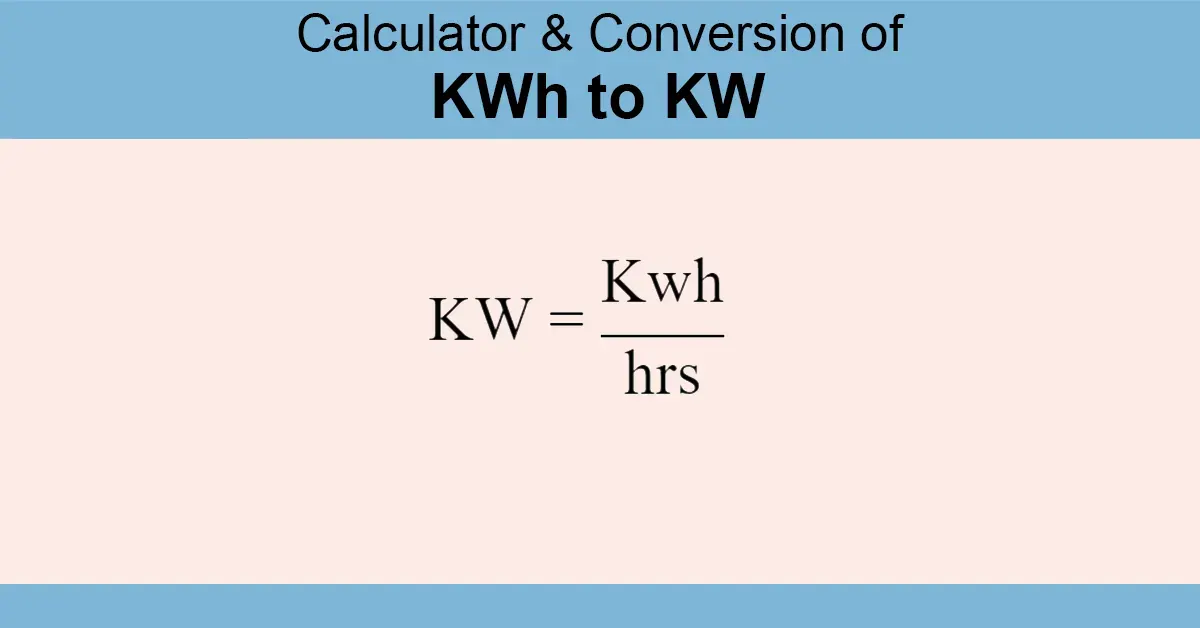
Need to know how much power you're using? The kWh to kW Calculator is a simple online tool that converts energy (kWh) into power (kW). Just input your energy usage and the number of hours, and it instantly shows the power rate. This is especially helpful for energy audits, comparing appliance efficiency, or estimating load in power systems. The conversion is based on a universal formula used in electrical engineering, making the tool reliable and accurate. Whether you're managing home energy or working on a solar power system, this calculator can save you time and improve planning.
current transformer saturation voltage tool Formula:
The Knee Point Voltage Calculator estimates the voltage at which a current transformer (CT) saturates, crucial for protective relay operation. The knee point voltage (V_k) is defined as the voltage at which a 10% increase in applied voltage causes a 50% increase in CT secondary current, marking the onset of core saturation.
The calculator requires CT parameters such as rated secondary current (I_s), CT ratio, burden resistance (Ω), and excitation current (I_e). Using these inputs, it computes the knee point voltage in volts (V). Accurate calculation ensures that CTs deliver precise secondary currents under fault conditions, enabling the correct operation of protective relays. It is essential for high-voltage and medium-voltage systems to prevent relay maloperation, avoid false trips, and maintain electrical system reliability. This tool supports engineers, electricians, and relay technicians in system design, testing, and maintenance.
⚡ Work & Installation Input to Output:
Knee point voltage is critical for CTs supplying relays during faults. Inputs include CT ratio, rated secondary current, burden resistance, and excitation current. The calculator outputs V_k (volts), the voltage at which the CT core saturates. Correct calculation ensures accurate current transformation, proper relay operation, and system safety under fault conditions.
Testing and Final Adjustments
To verify knee point voltage, measure the CT excitation curve in the lab using a variable voltage source and ammeter. Gradually increase voltage and note where secondary current rises sharply, marking the knee point. Compare measured values with calculated results. If the knee voltage is lower than expected, check CT winding, core integrity, and burden connections. Ensuring accurate knee voltage prevents relay misoperation, false tripping, and protects transformers and feeders. Regular testing and proper CT selection are essential for reliable electrical protection systems.
Frequently Asked Questions - kWh to kW Calculator:
What is the formula to convert kWh to kW?
Divide the energy in kilowatt-hours (kWh) by time in hours: kW = kWh ÷ hours.
What is the difference between kW and kWh?
kW is power (rate), and kWh is energy (total usage over time).
Can I use this calculator for solar systems?
Yes, it's useful for estimating solar panel output or load consumption.
Is this calculator accurate?
Yes, it uses a standard engineering formula for energy-to-power conversion.
What units are required?
You need to input energy in kWh and time in hours.
Can I convert back from kW to kWh?
Yes, use the reverse formula: kWh = kW × hours.
Why do I need this conversion?
To determine how much power you used or plan capacity.
Is it suitable for home appliances?
Yes, it's ideal for estimating power for appliances over time.
What if I don’t know the time in hours?
You must estimate or measure the duration of energy use.
Is the tool free to use?
Yes, the kWh to kW calculator is completely free.