Diy Solar Bluetooth Speaker Bluetooth Speaker Circuit
Learn how to build a DIY solar Bluetooth speaker circuit using solar panels, an amplifier IC, and a Bluetooth module for portable, eco-friendly audio solutions.

What Is a DIY Solar Bluetooth Speaker?
A solar Bluetooth speaker is a portable speaker system that is mainly powered by solar energy, and a speaker that can be used to play music wirelessly via Bluetooth. It has solar panels that charge the internal battery, unlike conventional battery-operated speakers; therefore, it operates continuously without depending on electricity.
solar panel bluetooth speaker circuit bangladesh
A Solar Bluetooth Speaker Circuit is an original project in electronics, and is a green electronics project integrating solar energy and wireless audio technology. In this project, you can create a portable speaker system that is operated by solar power so that it can be conveniently used outdoors, BlackCamping, or energy-efficient personal audio devices.
Here you will know how to make a DIY work of a solar-powered Bluetooth speaker circuit with the use of a solar panel, a rechargeable battery, a Bluetooth blue-ray musical receiver module, an amplifier IC (such as TDA7492 or TDA7498), and speaker drivers. This circuit combines solar charging, power management, and wireless audio streaming which making it a functional circuit that is also environmentally friendly. With the help of this project, you are able to listen to high-quality music without using traditional electricity, as well as experience the practical implementation of renewable energy, electronics, and sound amplification.
Advantages of Building a Solar-Powered Bluetooth Speaker
- Eco-Friendly: Reduces reliance on grid electricity.
- Portable: Ideal for outdoor and camping use.
- Cost-Effective: Save on electricity bills.
- Educational: Learn solar power management and audio electronics.
- Customizable: Adjust amplifier, speaker type, and battery size.
Components Required for DIY Solar Bluetooth Speaker Circuit
| Component | Quantity | Purpose |
|---|---|---|
| Solar Panel (5–12V) | 1 | Charges battery and powers the circuit |
| Rechargeable Battery (Li-ion/Lead Acid) | 1 | Stores energy for operation |
| Bluetooth Audio Module | 1 | Wireless audio input |
| Amplifier IC (TDA7492/TDA7498) | 1 | Boosts audio signal |
| Speakers (Woofer + Tweeter) | 2–4 | Output audio |
| Voltage Regulator (LM317/5V regulator) | 1 | Overvoltage protection |
| Capacitors & Resistors | Various | Filtering and gain control |
| Switches / Buttons | 1–2 | Power, pairing, volume |
| LED Indicators | 1–2 | Power and Bluetooth status |
| Heat Sink | 1 | Cooling the amplifier IC |
| Wires & Connectors | As needed | Connections |
| Enclosure / Box | 1 | Housing for all components |
Working Principle of the Solar Bluetooth Speaker
1. Solar Power Supply Stage
- Solar panel generates electricity to charge the battery.
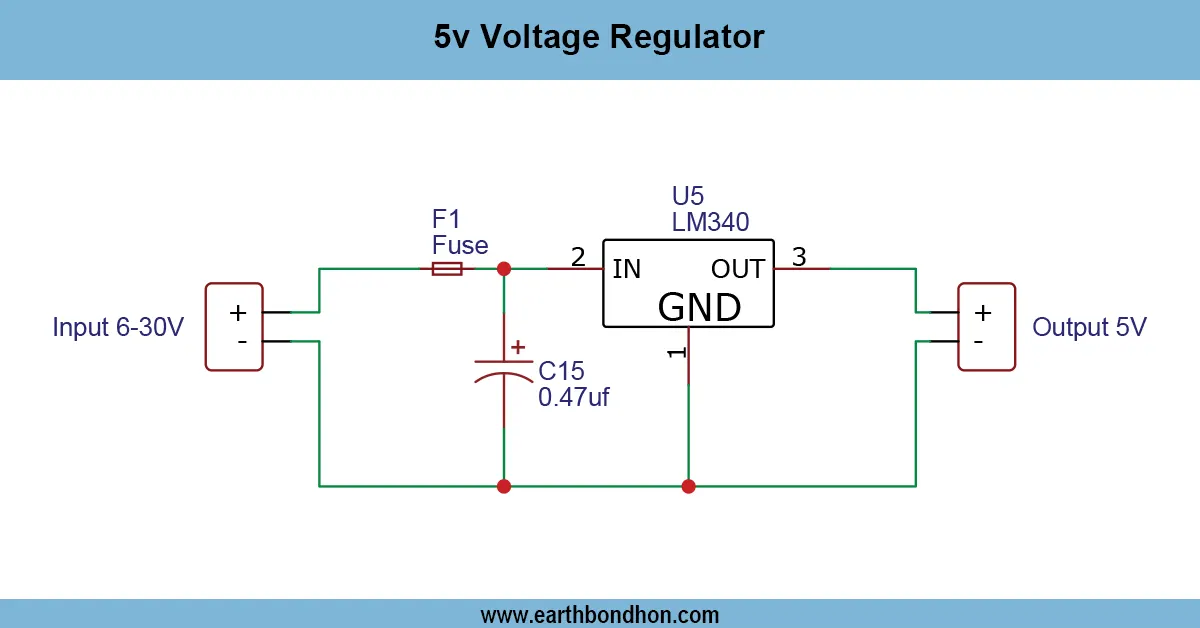
- Voltage regulator ensures stable output to the amplifier and Bluetooth module.
2. Battery Charging Stage
- Battery stores solar energy for nighttime or cloudy use.
- Overcharge protection extends battery lifespan.
3. Bluetooth Audio Input Stage
- Bluetooth module receives audio signals from mobile devices.
- Outputs analog audio to the amplifier.
4. Amplifier Stage
- Amplifier IC increases audio power to drive speakers.
- Gain can be adjusted using resistors or a potentiometer.
5. Speaker Output Stage
- Woofer and tweeter deliver full-range sound.
- A Crossover network can improve frequency separation.
6. LED Indicators and Controls
- LEDs show power and Bluetooth status.
- Power switch and volume control improve usability.
Circuit Diagram Explanation
- Solar Panel → Battery + Voltage Regulator
- Battery → Powers Bluetooth module & amplifier
- Bluetooth Module → Amplifier input (L/R channels)
- Amplifier → Speakers (woofer + tweeter)
- Switches → Power / pairing / mode selection
- LEDs → Status indicators
Step-by-Step Construction Guide
- Mount the solar panel and connect it to the battery through a charge controller or a diode.
- Install Bluetooth module and amplifier on board; add heatsink to amplifier IC.
- Connect speakers, ensuring proper polarity; add crossover if needed.
- Add voltage regulator and fuse/diode protection.
- Install power switch, volume control, and LED indicators.
- Test system, pair Bluetooth device, and adjust volume for clean output.
Power Management and Solar ChargiSolar panel voltages="list-disc pl-6 text-gray-700 space-y-1">
Applications of Solar Bluetooth Speaker
- Outdoor parties and camping
- Beach or poolside audio
- Eco-friendly home speaker
- Off-grid or emergency sound system
- Educational electronics projects
Troubleshooting Tips
- No sound → Check Bluetooth connection and amplifier wiring.
- Distorted sound → Verify battery voltage and amplifier gain setting.
- Battery not charging → Check solar polarity and blocking diode.
- LED not lighting → Ensure correct LED polarity and resistor value.
- Amplifier overheating → Use larger heatsink or increase airflow.