12V DC to 220V AC Inverter 3000W Pure Sine Wave
Build a 12V DC to 220V AC inverter with 3000W pure sine wave output. Complete guide with components, circuit diagram, working principle, assembly, and troubleshooting for high-power applications.

Introduction to 12V DC to 220V AC Pure Sine Wave Inverters
A battery provides 12V DC, which is converted to 220V AC with minimal harmonics using a pure sine wave inverter. The output of a pure sine wave is safe to sensitive electronics, AC motors, and medical equipment compared to modified sine wave inverters. A 3000W inverter with high power can be used to supply power to a variety of appliances at the same time. Simple home-made ones may be based on 555 Timer IC or PWM controllers, MOSFETs, and step-up transformers in order to stabilize high-power AC output.
pure sine wave inverter 3000w
A 12V DC to 220V AC 3000 Watt pure sine wave inverter is a high-power electronic gadget aimed at converting DC voltage from a battery to a pure AC output to be used in household and industrial appliances. The inverter supplies a stable output of pure sine wave, which is safe in sensitive electronic equipment such as computers, medical devices, and AC motors by use of oscillator circuits (555 Timer or PWM controller), MOSFETs or IGBTs, and a step-up transformer. This is a DIY project tutorial about the components, circuit scheme, operating principle, step-by-step assembly process, and troubleshooting of assembling a high-power inverter that is reliable. This inverter has a power capacity of 3000W with adequate heatsinks, cooling, and overcurrent protection that would make it suitable for solar energy systems, home backup, and high-power portable applications.
Features of the 3000W Pure Sine Wave Inverter
High-Power Output
- Can operate high-load devices such as refrigerators, pumps, and AC motors.
- Requires sufficient battery capacity and high-current MOSFETs or IGBTs.
Pure Sine Wave for Sensitive Electronics
- Smooth AC waveform mimics mains electricity.
- Safe for computers, LED lights, and medical equipment.
Stable Voltage and Frequency
- Frequency maintained at 50Hz (or 60Hz depending on design).
- MOSFET switching ensures constant voltage and minimal waveform distortion.
Components Required
12V Battery
- Deep cycle or automotive battery capable of handling high discharge rates.
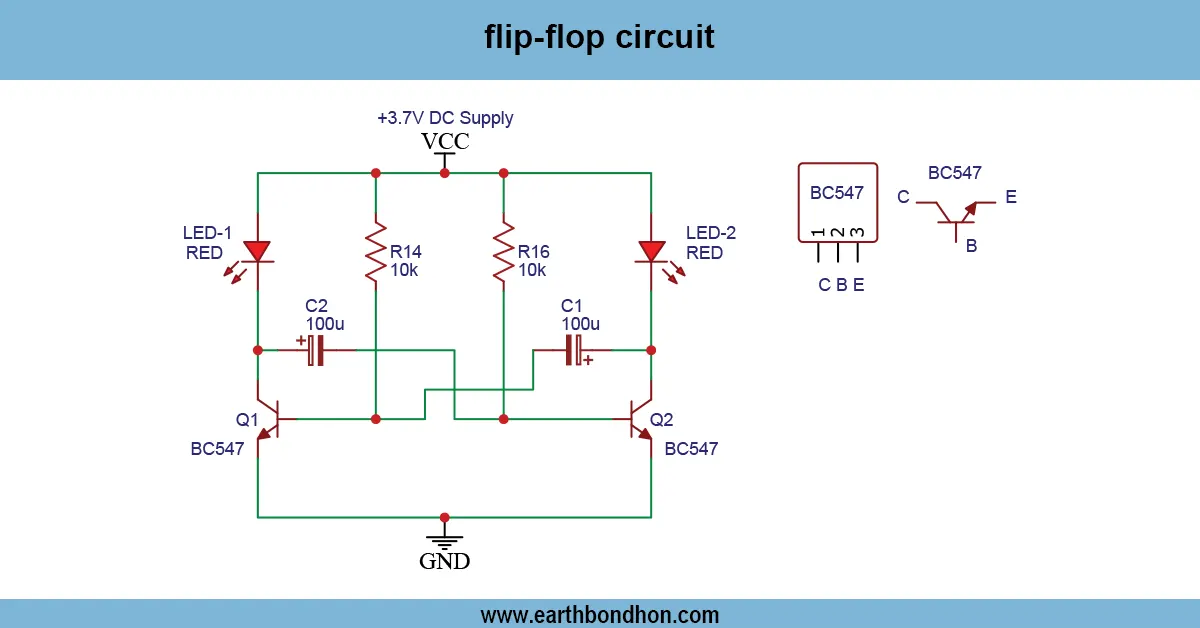
Oscillator Circuit (555 Timer / PWM Controller)
- Generates 50Hz switching signal.
- Can be a simple 555 timer or an advanced PWM controller for efficiency.
MOSFETs / IGBTs
- High-current switching devices to drive the transformer.
- Proper heatsinks and cooling fans are necessary.
Step-Up Transformer (12V to 220V)
- Converts low-voltage DC pulses to high-voltage AC.
- Rated for at least 3000W continuous load.
Capacitors, Resistors, Diodes, Heatsinks
- Resistors and capacitors set oscillator frequency.
- Diodes prevent backflow and voltage spikes.
- Heatsinks ensure MOSFETs remain cool during high load operation.
Working Principle
DC to AC Conversion
- Alternating signals from the oscillator switch the MOSFETs, producing AC voltage pulses.
- 12V DC from the battery is supplied to the MOSFET bridge.
DC to AC Conversion
- 12V DC from the battery is supplied to the MOSFET bridge.
- Alternating signals from the oscillator switch the MOSFETs, producing AC voltage pulses.
Oscillator Driving MOSFETs
- 555 Timer IC generates 50Hz square wave.
- PWM controllers can regulate the duty cycle for better efficiency.
Transformer Step-Up and Sine Wave Output
- Transformer primary receives 12V pulse waveform.
- Secondary outputs 220V AC.
- LC or RC filters can smooth a waveform into a pure sine wave.
Optional LC Filtering
- Reduces harmonics and voltage spikes.
- Ensures safe operation for sensitive electronics.
Circuit Diagram and Assembly Steps
Oscillator Circuit Setup
- Connect resistors and capacitors to the 555 Timer IC to generate a 50Hz square wave.
- Optional potentiometer for frequency fine-tuning.
MOSFET Driver Stage
- Connect MOSFETs in push-pull or H-bridge configuration.
- Ensure proper gate resistors and protective diodes.
Transformer and Output Stage
- Primary connected to MOSFETs; secondary outputs 220V AC.
- Fuse or circuit breaker recommended for safety.
Testing and Adjustment
- Connect the 12V battery and measure the waveform at the MOSFET output.
- Measure AC output voltage at transformer secondary.
- Connect resistive load for test run.
- Monitor MOSFET temperature and ensure the cooling system is active.
Applications of 12V to 220V Pure Sine Wave Inverters
- Home backup during power outages
- Solar energy systems
- Portable AC supply for vehicles or outdoor use
- Running AC motors and high-load appliances
- Industrial equipment requiring clean AC supply
Safety Precautions
- Check battery and component polarity before powering.
- Avoid touching live AC output.
- Use appropriate fuses and thermal protection.
- Proper insulation of high-voltage wires.
- Ensure adequate ventilation to prevent overheating.
Troubleshooting and Maintenance
- No AC output: Verify battery voltage and oscillator signal.
- MOSFET overheating: Check gate signals, add larger heatsinks or fans.
- Distorted waveform: Use an LC filter or adjust the oscillator frequency.
- Fuse blowing: Reduce load or inspect for short circuits.