Motor Power Calculator
Calculate motor power for AC, DC, or mechanical systems using voltage, current, torque, and speed. Ideal for engineers, technicians, and motor selection.

torque-speed motor power calculator:
The Motor Power Calculator computes motor power based on electrical input (voltage, current, PF) or mechanical output (torque and speed). It ensures proper motor sizing and efficient system performance.
load power calculator Conversion Formula:
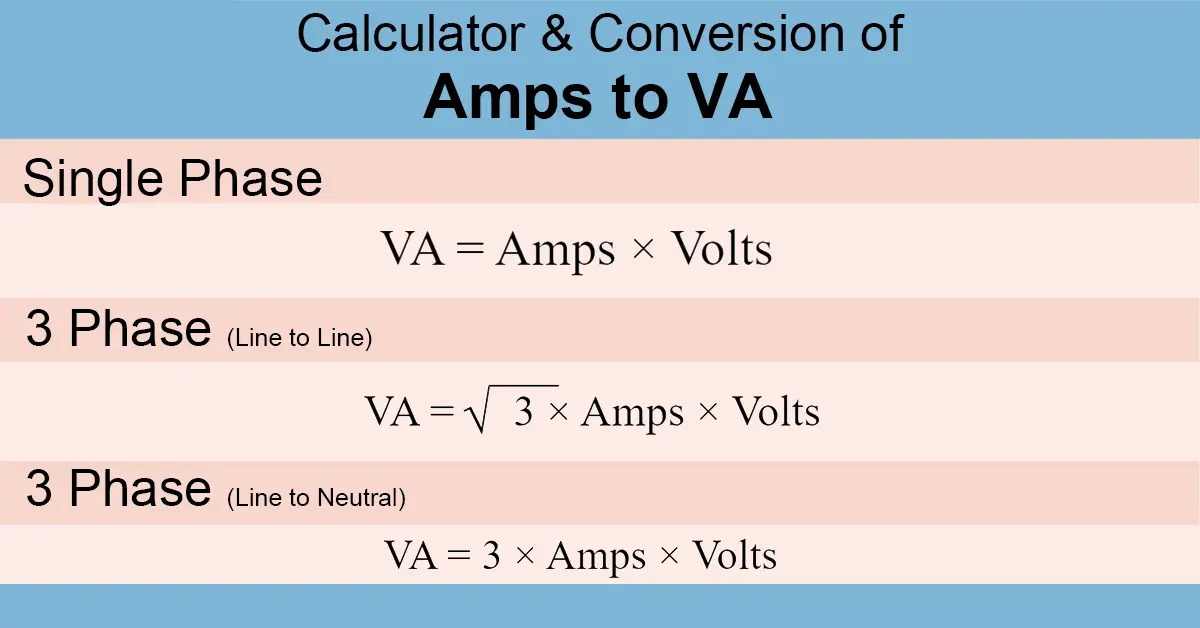
The Output Power Calculator determines the power delivered by electrical or mechanical systems. For electrical systems, The formula is:
\[ P = V \times I \times PF \]
Where V is voltage, I is current, and PF is the power factor. For mechanical systems, power can be calculated using torque and rotational speed:
\[ P = T \times \omega \]
Where T is torque (Nm) and 𝜔 ω is angular velocity (rad/s). This tool is essential for engineers, technicians, and students to quickly calculate system output, ensuring correct component sizing, efficiency analysis, and safe operation. By entering voltage, current, or torque and speed, users can obtain output power in watts or horsepower. Low-competition keywords like “motor output power calculator” and “machine output wattage” target users seeking practical and accurate power calculations.
⚡ Work & Installation (Input → Output):
Inputs:
- Electrical: Voltage V (v), Current I (A), Power factor (PF)
- Mechanical: Torque T (Nm), Rotational speed ω (rad/s)
Process / Work:
- Enter electrical or mechanical parameters.
- Calculator applies the appropriate formula: 1. Electrical: P = V × I × PF. 2. Mechanical: P = T × ω
- Output is power in watts (W) or horsepower (HP).
Outputs:
- Motor power (W / HP)
- Optional: efficiency-adjusted output power
Installation Notes: Ensure voltage and current measurements are RMS for AC systems. Use torque and speed measurements in consistent units. Accurate input ensures proper sizing of motors, generators, or mechanical systems.
Testing & Final Adjustments:
Check the calculator against rated or measured specifications of the motor power, or test against calculated specifications. In the case of electrical motors, the voltage and current should be measured by use of true RMS meters. In the case of mechanical motors, consider the torque and speed by using a dynamometer and a tachometer. Make efficiency loss or safety margin adjustments. Confirm that the motor runs within its rated load at full load. Adequate testing guarantees a long life cycle of the motor, efficient functioning, and safety of the systems. Measures of documents to provide support to the maintenance planning and validation of systems.