


3 Room Electrical House wiring
Learn 3-room electrical wiring and full house wiring diagram with step-by-step guide, simple layouts, and safe single-phase house wiring connection.
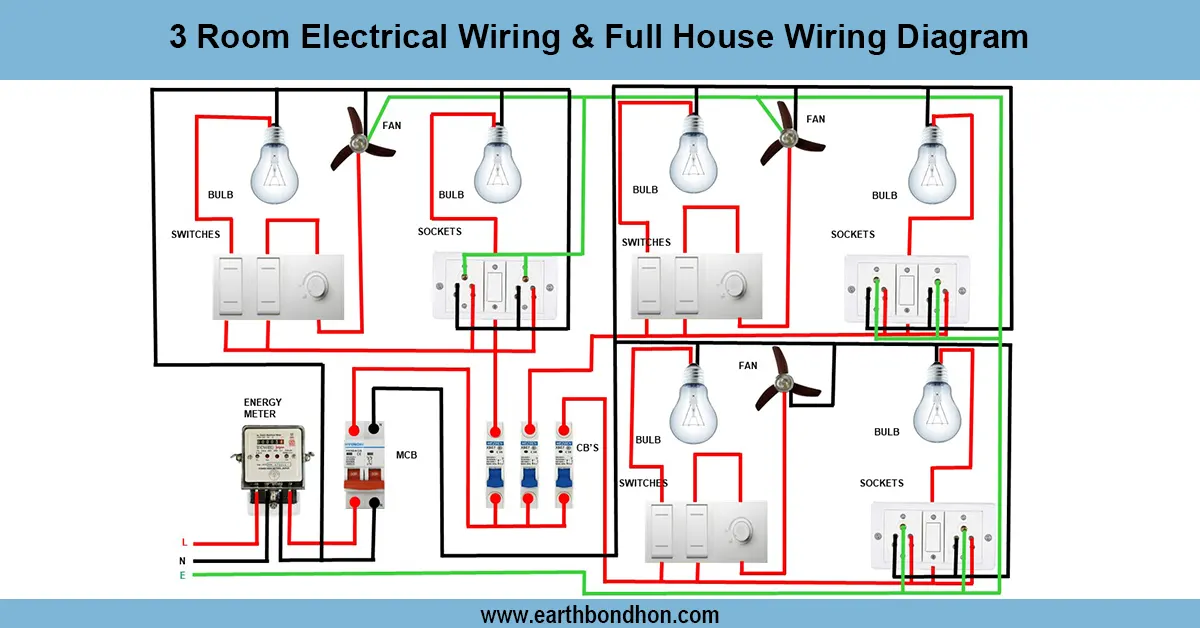
3 room electrical wiring diagram
Electrical wiring plan 3 room, full house wiring connection, electrical wiring plan 3 room, simple house wiring diagram, electrical wiring plan 3 room, full house electrical wiring, domestic house wiring step by step, room-wise house wiring diagram, full house electrical circuit diagram.
electrical wiring plan for 3 rooms
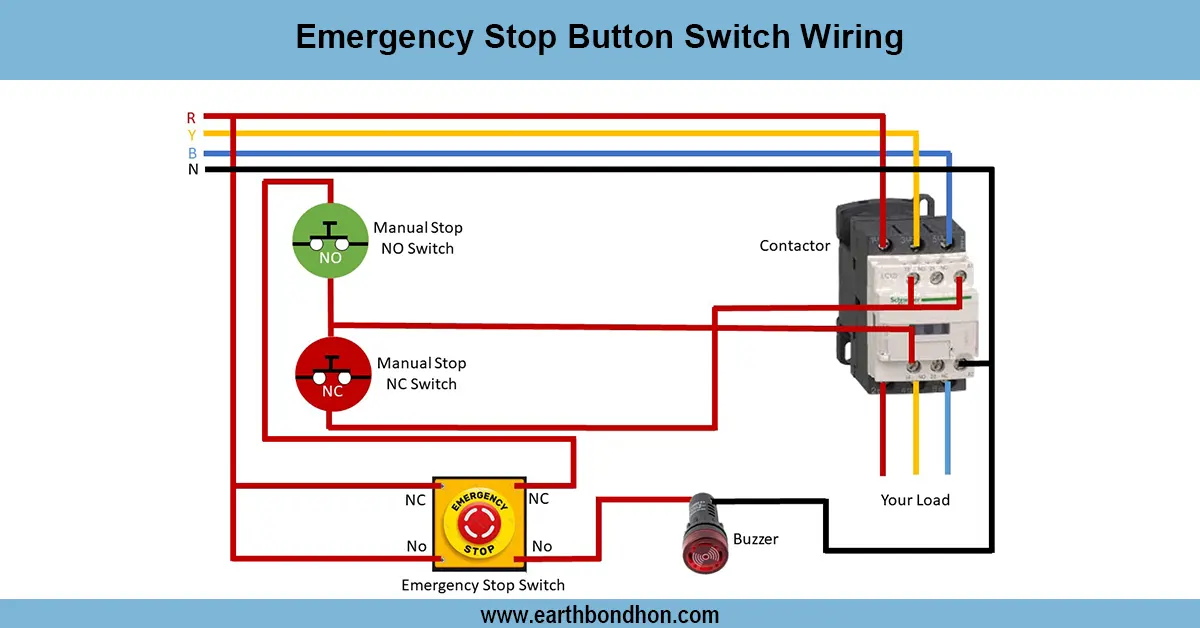
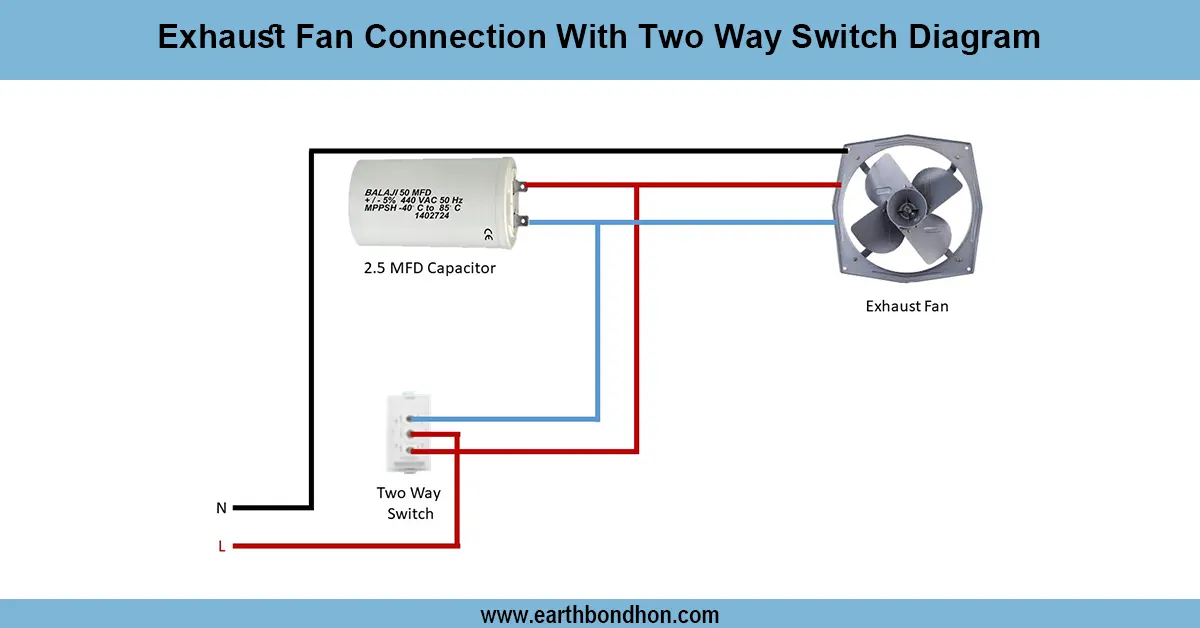
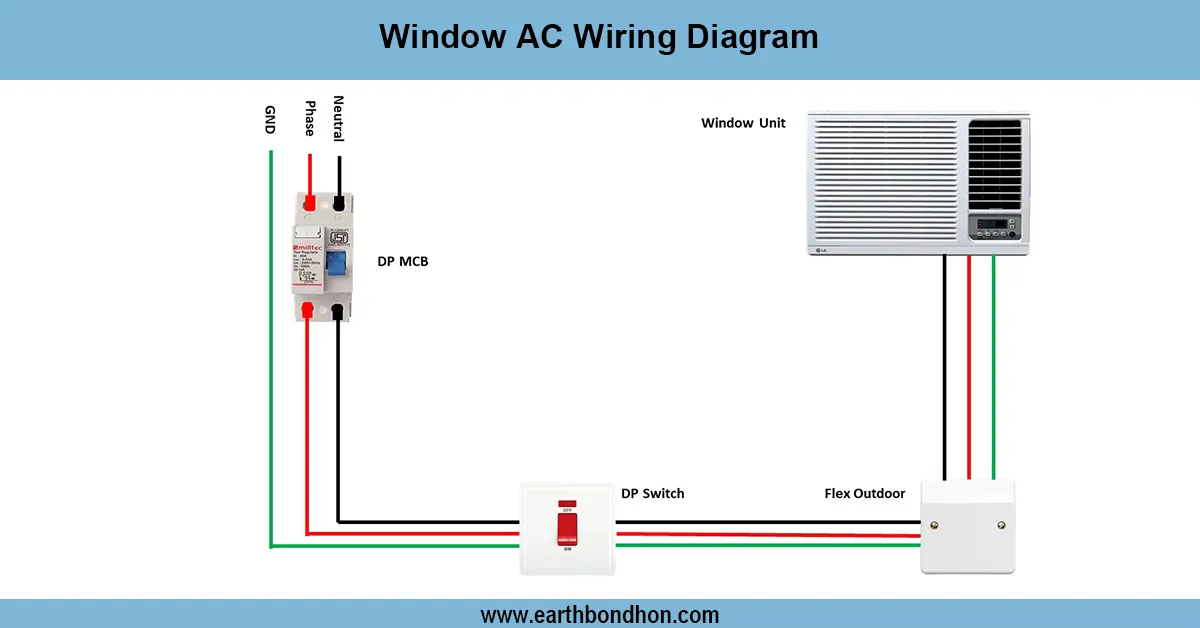
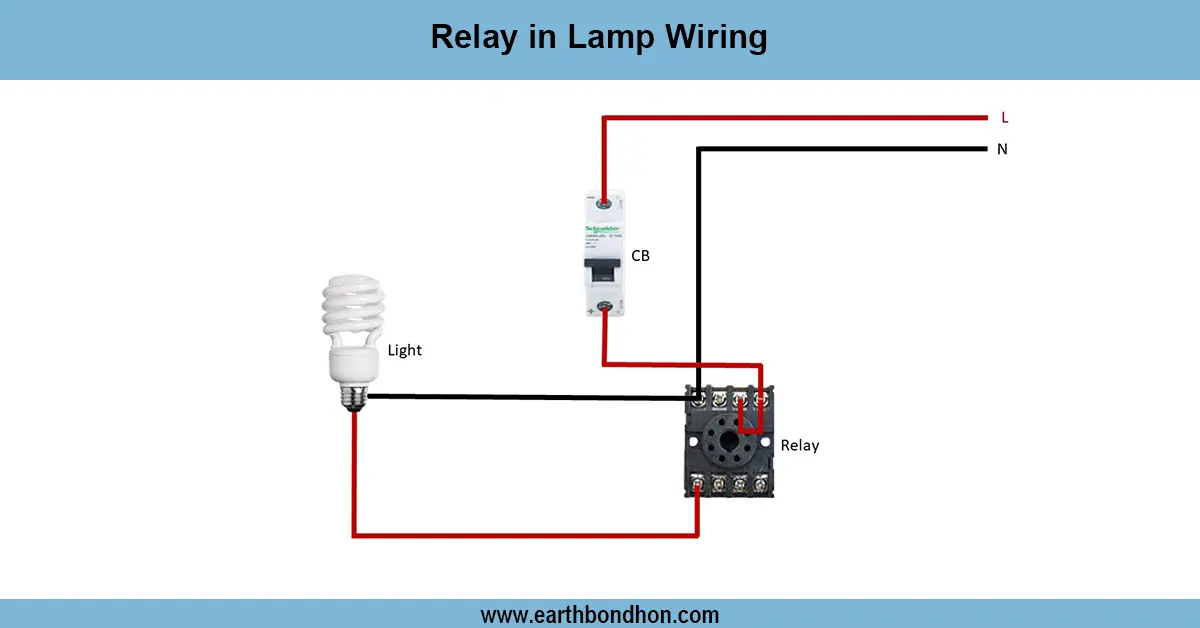
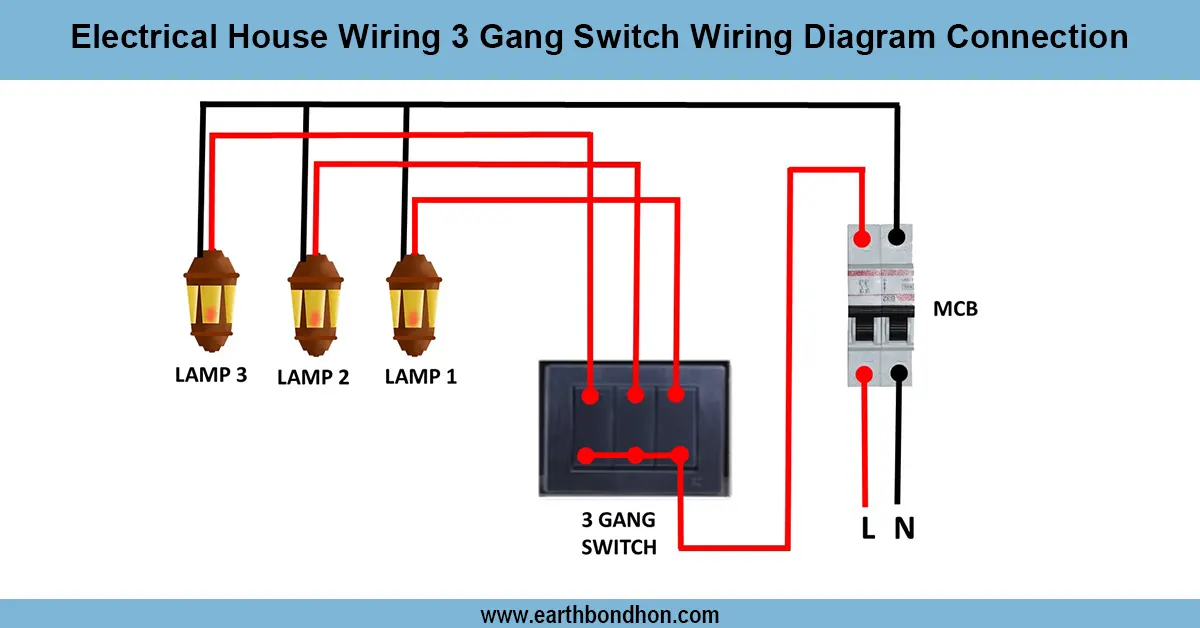
A 3-room electrical wiring and full house wiring diagram will assist you in knowing how to install lights, fans, switches, sockets, and appliances safely in your home. This diagram gives a full layout of wiring connections of three rooms and is expanded to show the wiring of an entire house on a single-phase supply. Ensuring that power is properly distributed between the source of power and each room is both safe and efficient. This wiring system of residential installations is easy to follow even by homeowners, students, and beginners with the help of clear step-by-step guidance.
Work / Installation (Inputs → Outputs)
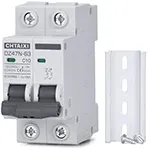
A typical 3-room and full-house wiring system carries electricity to each room, supplied by the main energy meter and distribution board (DB). Wiring circuits protect light, fan, and power outlet wiring by the use of circuit breakers or MCBs. A room is commonly wired with its own branch wiring to switches, sockets, and loads. Out of the input supply, the phase and neutral wires are repurposed to lighting and power circuits, and the earth wire is provided to keep things safe against electric shocks. Outgoing Wiring is the one that leads to separate rooms, and the switches regulate the lights, fans, and plugs. Junction boxes, conduits, and protective devices need to be used properly to provide long life and safe operation of the whole home wiring system.
Testing & Final Adjustments
Once the electrical wiring is finished, one should run a test of the entire house electrical system. First, verify the continuity of the wires by checking each one to ensure that the wire is not broken or that there are no loose connections. Next, check insulation resistance to avoid leakage current. Check the circuit breakers, switches, and sockets by the power supply in small bursts. Turn on each load (lights, fans, and sockets) individually to make sure that it works. Test voltage at various points with a voltmeter to verify that the power is equally distributed in all the rooms. Lastly, show the MCBs on the distribution board to recognize circuits easily. Any loose wiring must be secured, and any damaged insulation must be replaced. These last modifications will ensure the effective functionality of the system as well as improve the general safety of the electric system of your 3-room or entire house wiring.