


Timer Using Switch Wiring
Learn how to wire a timer switch with a manual ON/OFF switch to control AC loads or lights, including supply, load, protection, and earthing.

timer using switch wiring diagram
The wiring diagram of a timer with a manual switch demonstrates how to interconnect the AC supply, load, timer, and switch in a way, the load would be capable of either automatic or manual operation, which makes the work much easier and safer.
how to connect timer with on off switch:
Switch wiring can be used to provide automatic control of AC loads or lighting while still maintaining manual ON/ OFF control via a timer. It is wired by installing a live (L) and neutral (N) supply to the timer input and then into the load to the timer output. It has a manual switch that is mounted in series or parallel so that one can use it manually when necessary. MBC or fuse are protective devices required to safeguard the circuit against overloading or short-circuiting. The timer, switch, and associated appliances should be earthed to be safe. This type of system is common in homes, commercial and street lighting, and combines both automation and manual control. Adherence to the wiring plan guarantees proper functionality, use of less energy, and reduces human interference, while remaining safe.
Work & Installation (Input → Output,)
- AC Supply Input: Connect live (L) and neutral (N) to the timer input terminals.
- Timer Output Connection: Connect the load (light, fan, or AC) to the timer output terminals.
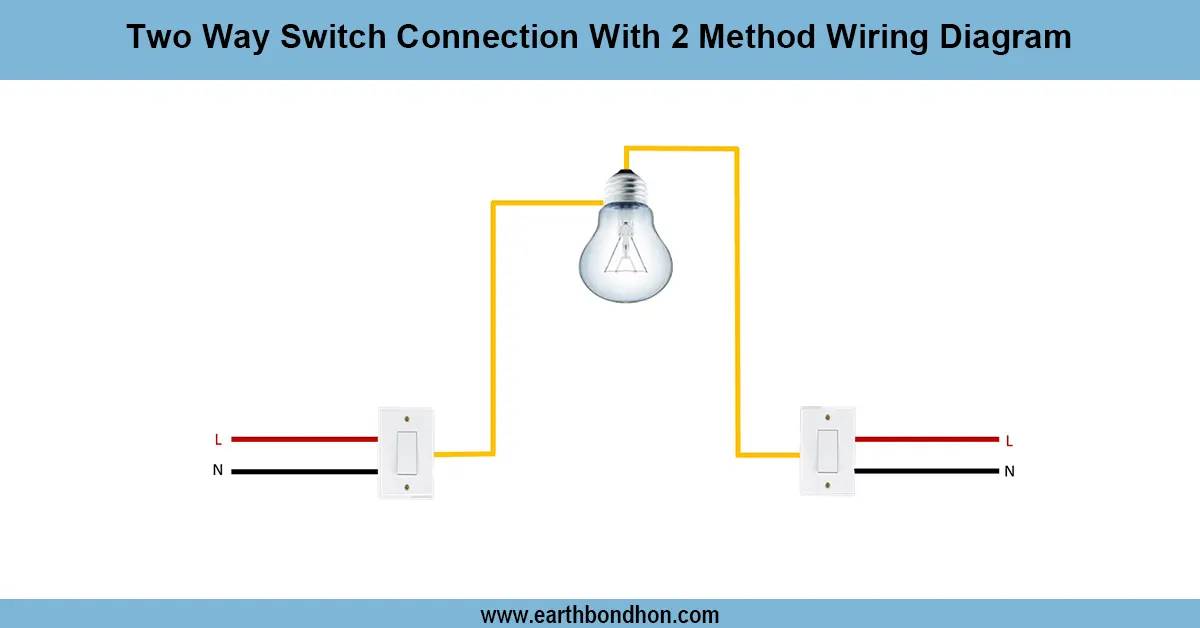
- Manual Switch Connection: Install a manual ON/OFF switch either in series with the timer output or parallel (depending on switch type) to override automatic operation.
- Protection Devices: Install MCB or fuse in series with the live wire for overload protection.
- Earthing: Properly earth the timer, switch, and connected appliances.
- Timer Setting: Adjust ON/OFF timings on the timer as required.
- Operation: The load operates automatically at preset times or manually using the switch.
Testing & Final Adjustments
Wire it after which you can switch ON the main supply and test the timer display. Test the manual switch by switching the load ON and OFF; make sure that the operation of the timer is overridden or complemented as you want. Note the load when it is under automatic cycles to make sure that it turns on and off at the right time. Check all wiring to ensure that it is secure, well-insulated, and well-earthed. Ensure that protective devices (MCB/ fuse ) are of the correct rating for the connected load. Set the timer options to be accurate ON/ OFF. Label all the wiring so that it can be easily identified. Checking periodically will make its operation safe and reliable, and will avoid electrical hazards and extend the life of devices that are connected. Proper installation prevents overloads and promotes the efficiency of energy.