Automatic changeover switch connection
Learn automatic phase change over system wiring and installation for seamless power transfer, overload protection, and safe operation between multiple phases.
multi-phase automatic changeover
An automatic phase change over system means that the power supply should not be lost since the voltage across various phases is observed and the load is automatically switched to the operational phase. It is also commonly employed in residential, office, and industrial applications where three-phase power is available to eliminate the risk of equipment damage as a result of an out-of-phase condition or an uneven distribution of phases. This system is based on phase sensing relays, contactors, and an automatic changeover controller, which sense failure in one phase and automatically switch the load over to a healthy phase without human operator intervention. Safe operation, avoidance of downtime, and protection of electrical appliances against phase-related faults are achieved with proper wiring and installation.
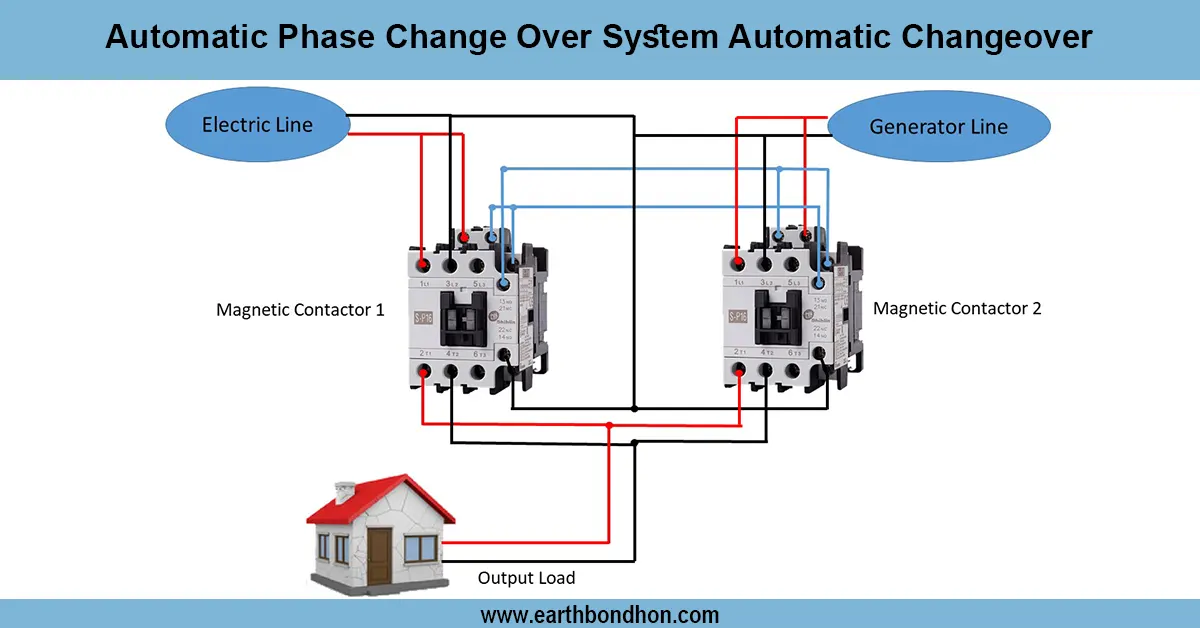
automatic changeover wiring diagram
The Automatic Phase Change Over System is intended to allow continuous power to flow by sensing the voltage of more than two phases and automatically switching the load to a healthy phase when one phase fails. The system applies to three-phase power supply to residential, commercial, and industrial applications to guard motors, compressors, and delicate electronics against damage by phase failure or imbalance.
The system is composed of phase-sensing relays, contactors, and a changeover controller. The incoming three-phase supply is connected to the controller that constantly monitors each phase. A failed phase of a phase causes the controller to bounce the contactor to shift the load to another healthy phase. After normal voltage is regained, the system goes back to the original phase.
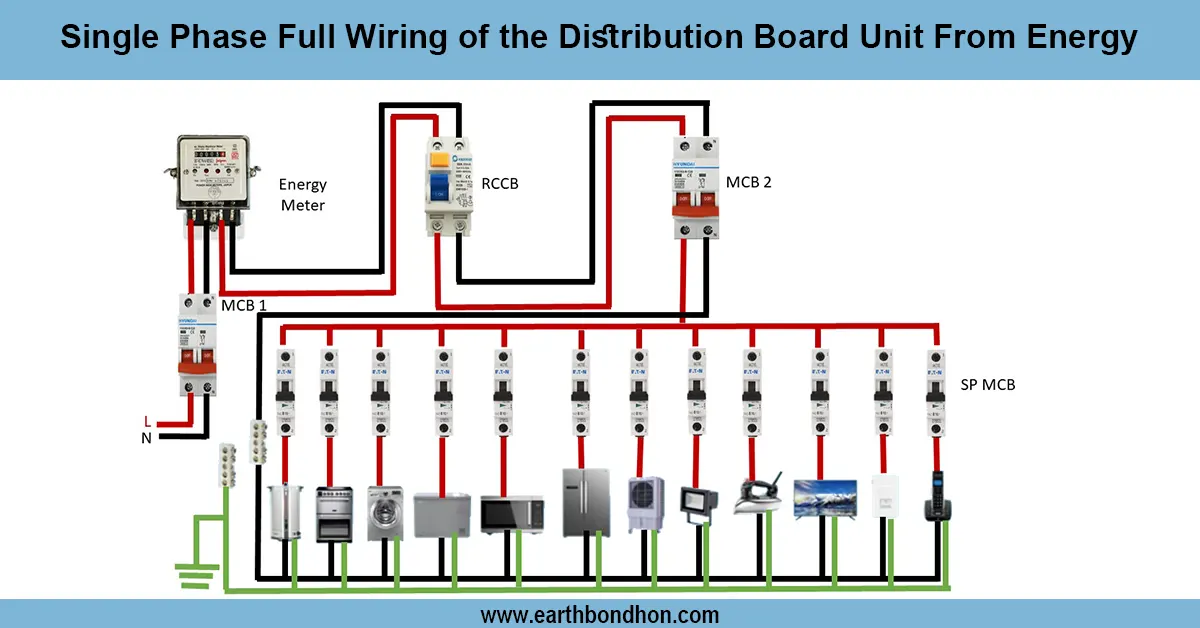
Earthing, proper wiring, and earthing devices such as MCBs and RCCBs are safety and reliability requirements. This automatic changeover system removes manual operation, minimizes downtime, and provides a safe, uninterrupted, and efficient supply of power to all equipment connected to the system.
Work / Installation (Inputs → Outputs)
On an automatic phase changeover system, the incoming three-phase supply is attached to the phase changeover controller panel. All the phases are run through voltage-sensing relays that constantly measure the phase voltage. A phase outage occurs, or the voltage falls too low, which causes the respective contactor to change load to another healthy phase. The controller output is linked to the distribution board, which feeds electricity to the building. There are appropriate protective appliances, such as MCBs, RCCBs, and fuses, which are used to protect against overload. Relays, contactors, and input/output terminals have to be wired with great care and earthing provided to ensure safety. This system offers nonstop power, protection of sensitive appliances, and removes manual procedures during phase failures.
Testing & Final Adjustments
Testing is important once the automatic phase changeover system has been wired. First, verify the voltages of each of the three phases and verify correct connections to the controller. Test the occurrence of phase failure by de-energizing one of the phases to determine whether the system will automatically redistribute load to a healthy phase. Note the switching time, the voltage, and current values to keep the operation smooth and free no flickering or overloading. Inspect all MCBs, relays, and contactors with regard to proper response and earthing is in place. Label terminals and phases so that they can be easily maintained. Check that the load is taken back to the original phase when normal voltage is reinstated. Endensuress a reliable, safe, and continuous power supply, which averts damage to motors, compressors, and delicate electronics due to phase failures.