DIY Softstarter AC Triac BT136
Learn how to build a DIY softstarter for AC loads using Triac BT136. Step-by-step guide includes circuit diagram, components, working principle, assembly, and safe operation for smooth AC motor start.

Introduction to Softstarters
Softstarters are mechanical devices that decrease the inrush current required by AC motors on startup. Softstarters reduce mechanical and thermal shock to equipment, therefore extending the life of the motor because fewer power surges contribute to damage by wear and tear.
motor protection circuit breaker
An AC motor softstart using Triac BT136, May 7, 2012. This simple design can not only be used to start a single-phase induction motor box fan, but it can also be often applicable for getting any high in-rush current producing load started. This easy-to-build project features a Triac and Diac combination with a self-contained RC triggering circuit for precisely adjusting the firing angle, making it suitable as a control device, for example. AC motors, lamps, or resistive heaters. In this manual, you will be able to find how to build a softstarter, set the starting rate, amp, and start your AC loads safely! For the DIY enthusiast, small induction motors or even household appliances, this soft starter reduces energy consumption by two-thirds and helps extend equipment life.
Why Use a Softstarter for AC Loads?
Reduce Inrush Current
- Sudden voltage application can draw 5–8 times rated current.
- Softstarter gradually increases voltage to prevent electrical stress.
Extend Motor Life
- Smooth voltage ramp reduces mechanical and thermal stress.
- Prevents early wear of bearings and winding insulation.
Smooth Start and Stop
- Avoids jerky motion in conveyor belts, fans, and pumps.
- Suitable for sensitive electrical and mechanical systems.
Components Required
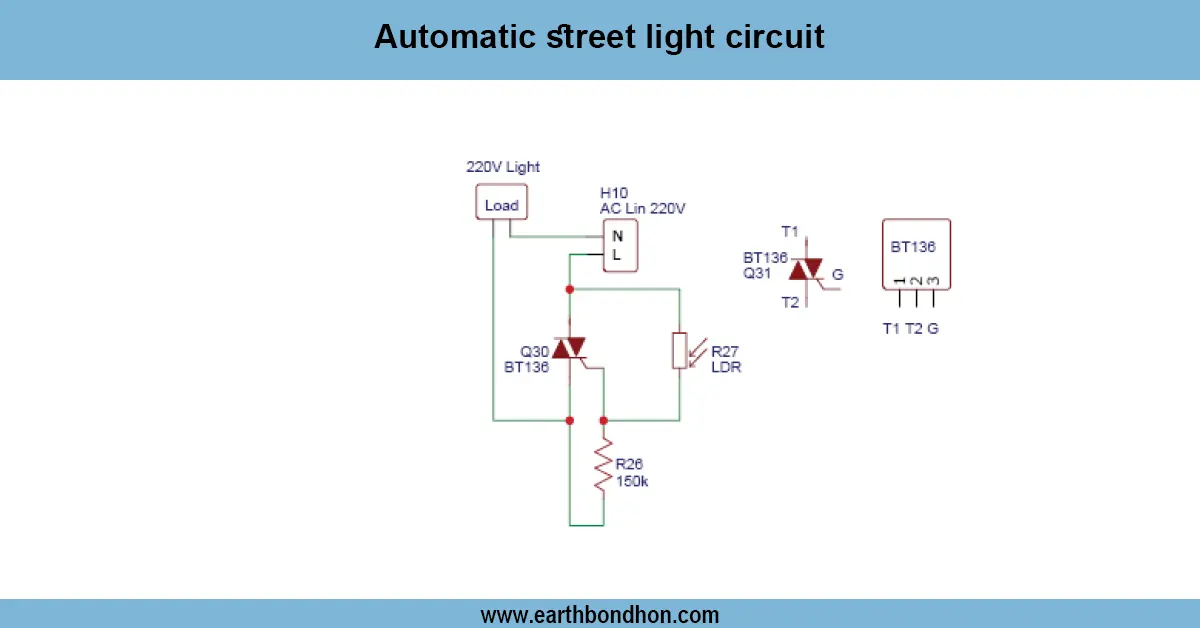
Triac BT136
- Main switching device to control AC load.
- Rated for 1–4A AC loads; use proper heat sink.
Diac (e.g., DB3)
- Trigger device to fire Triac at correct voltage.
Resistors, Capacitors, and Potentiometer
- RC timing network controls firing angle.
- Potentiometer adjusts soft start duration.
Heat Sink for Triac
- Prevents overheating during high load.
AC Load (Motor, Lamp, or Heater)
- Test load like fan, lamp, or small AC motor.
Working Principle
Phase Control Using Triac
- Triac conducts during part of AC cycle, controlling voltage to load.
- Triac is turned ON at precise phase angle to gradually increase power.
Gradual Voltage Ramp
- RC network charges capacitor.
- Voltage reaches Diac triggering threshold, firing Triac.
- Delay in triggering produces soft start effect.
Diac Triggering Mechanism
- Diac conducts once capacitor voltage exceeds threshold.
- Ensures reliable and consistent firing of Triac every AC half-cycle.
Circuit Diagram and Assembly Steps
Connecting Triac and Diac
- Triac main terminals (MT1, MT2) in series with AC load.
- Gate connected via Diac and RC network.
Configuring RC Timing Circuit
- Choose resistor, capacitor, and potentiometer for desired soft start duration.
- Example: 100kΩ pot and 0.1μF capacitor for ~1–2 second ramp.
Testing Softstarter with AC Load
- Connect AC load through softstarter.
- Adjust potentiometer to observe gradual voltage increase.
- Ensure Triac and Diac heat sinks are adequate.
Adjusting Start Smoothness
- Rotate potentiometer to increase or decrease ramp duration.
- Longer ramp = gentler start; shorter ramp = faster start.
Applications
- Fans, blowers, pumps, and conveyors.
- Household appliances like lamps and heaters.
- DIY AC motor control projects.
- Small industrial AC load softstart solutions.
Safety Precautions
- High-voltage AC can be dangerous; use proper insulation.
- Never touch live circuit while powered.
- Use fuses for overload protection.
- Triac and Diac must be mounted on heat sinks.
- Test initially with low-power AC loads.
Troubleshooting and Maintenance
- Load doesn’t start smoothly: Check RC network and Diac polarity.
- Triac overheats: Improve heat sinking or reduce load.
- Flickering load: Ensure AC supply stability and capacitor values.
- No load operation: Verify Triac gate triggering and Diac function.
- Potentiometer not effective: Replace with proper value and check connections.