

Manual Transfer Switch Wiring
Learn manual changeover wiring to safely switch between mains and generator supply, ensuring protection for home circuits and uninterrupted power.
residential backup switch wiring
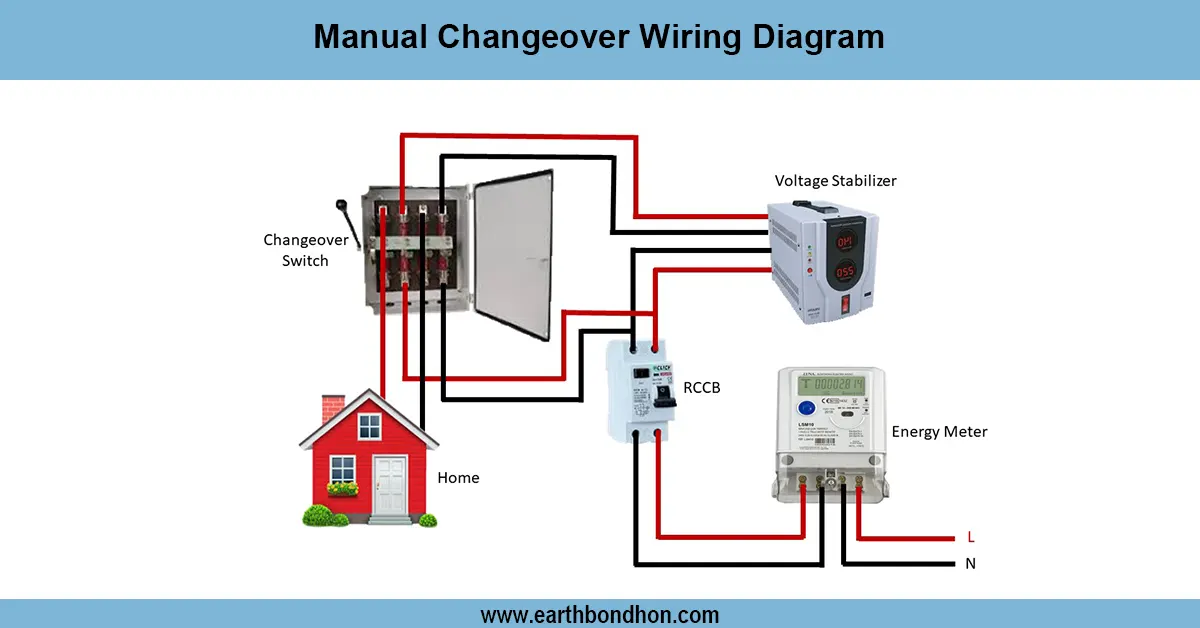
Manual changeover wiring permits a safe connection of either the mains or generator to the home supply. A source can only be active at a time, thus avoiding back-feed and electrical equipment protection.
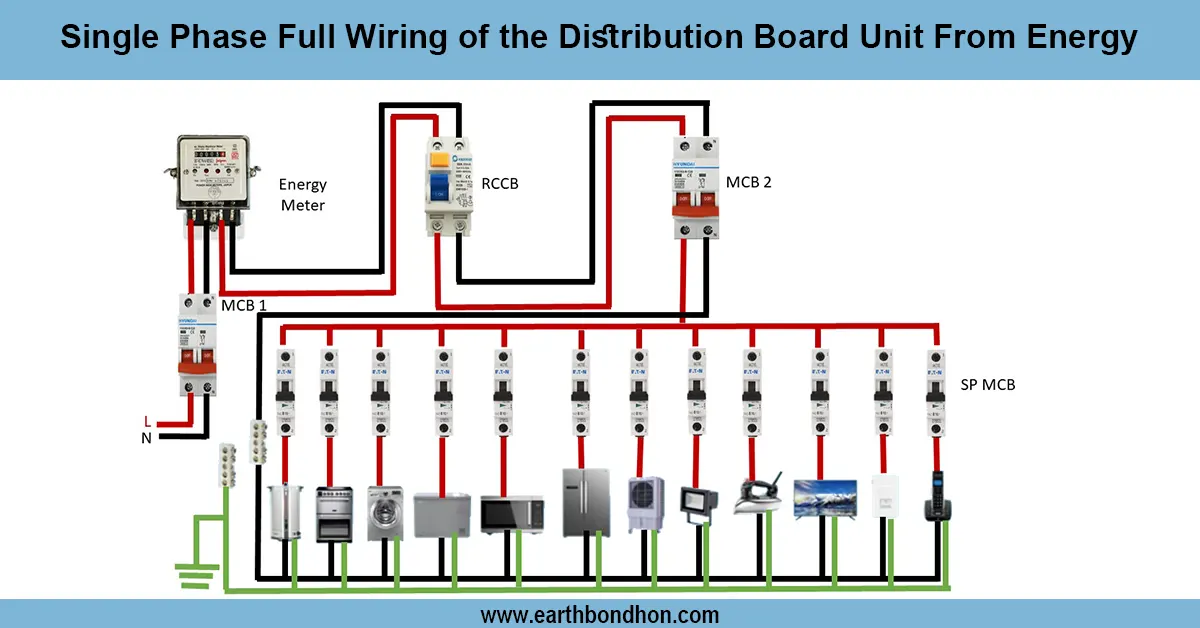
MCB and manual switch diagram
Changeover wiring may be done manually to permit safe changeover between the main supply and a backup generator. One terminal of the manual changeover switch is linked to the mains input via a main MCB, and the other terminal is linked to the generator output. The switch-output feeds the home distribution board; only one of the power sources is on at a time to prevent back-feed. Earth and neutral connections are also maintained in the proper way to ensure safety. The system provides continuity of power in case of mains failure. Testing includes mains/generator switching, checking the distribution of electricity to vital circuits, and ensuring that MCBs are functioning properly. This type of wiring is used in domestic and small commercial installations to provide a reliable backup power and guard against electrical hazards.
Work & Installation (Input → Output Summary)
- Connectmains supply to one input terminal of the manual changeover switch via a main MCB.
- Connectgenerator output to the other input terminal.
- Connect theswitch output to the home distribution board.
- Maintain properneutral and earth connections at the DB.
- neutral and earth connections
- Ensuresno simultaneous supply, preventing short circuits and equipment damage.
Testing & Final Adjustments
- Verify all wiring: mains, generator, changeover switch, and DB connections.
- Test switching from mains to generator; ensure circuits receive power safely.
- Switch back to mains; confirm smooth transition without tripping MCBs.
- Check neutral and earth continuity.
- Inspect generator voltage and phase sequence if three-phase.
- Perform multiple ON/OFF switching cycles to ensure reliability.
- Ensure only intended circuits are powered by the generator (based on capacity).
- Label mains and generator lines clearly at the switch.
- Confirm MCBs trip correctly under overload conditions.
- Document wiring and testing results for reference and maintenance.