
Power Socket Wiring Diagram
Learn how to wire a power socket with safety in mind. This guide includes diagrams, step-by-step instructions, and common wiring FAQs for home and industrial use.
power socket wiring
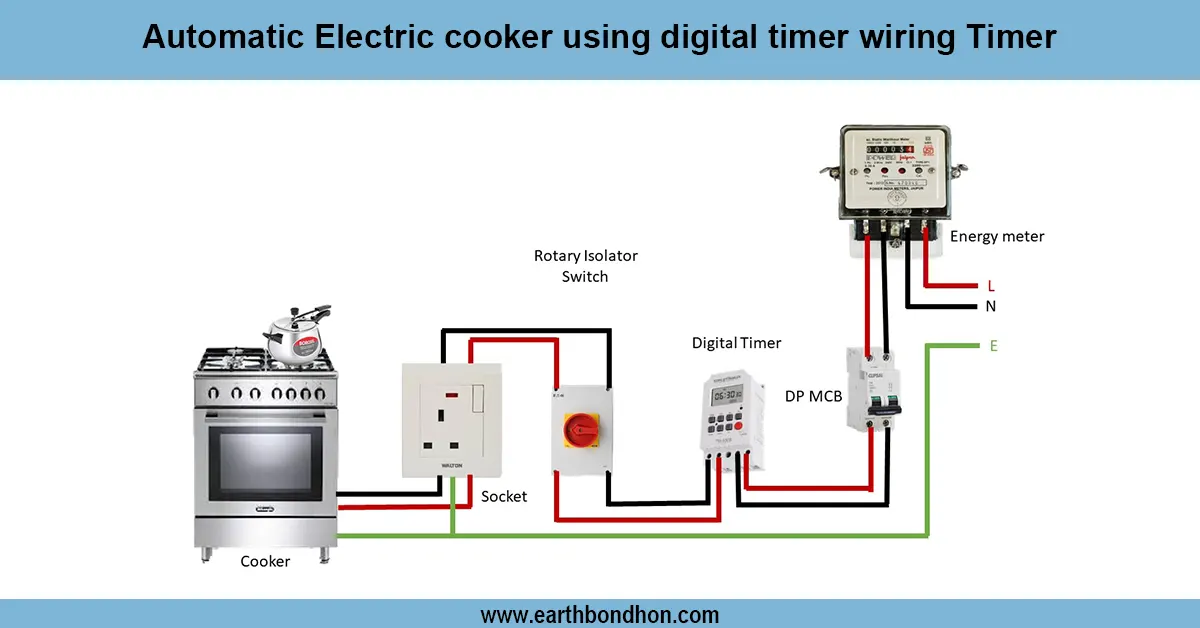
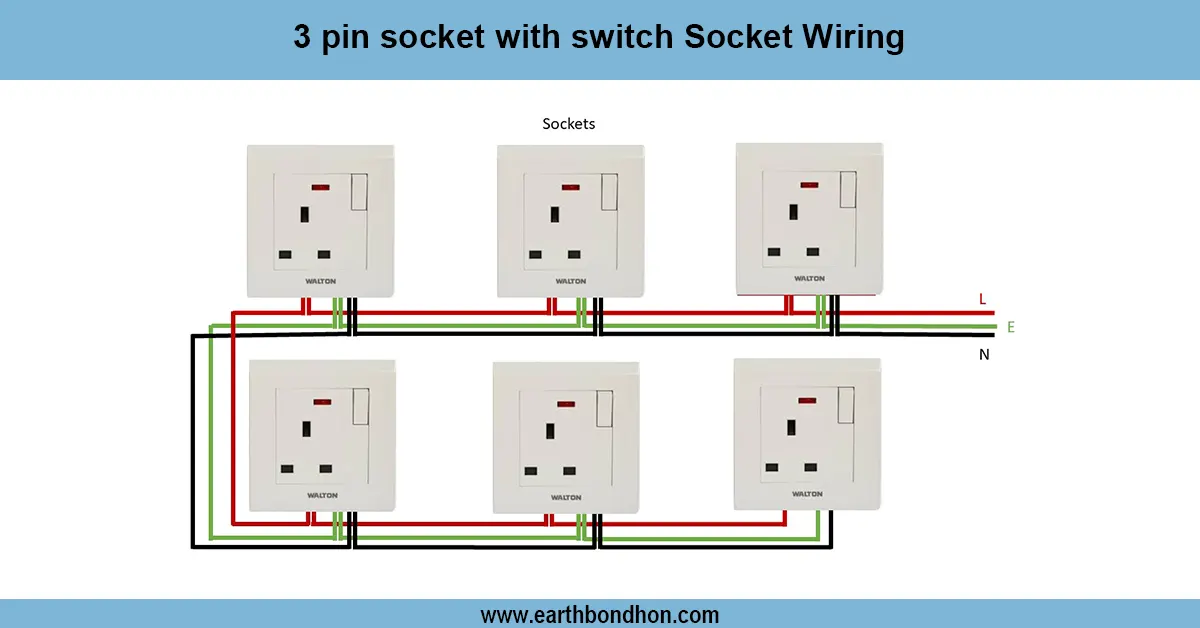
In a 3-pin power socket wiring diagram, you can find a proper way of Live, Neutral, and Earth connections that will guarantee a safe and uninterrupted power supply. The live is usually connected to the right terminal (brown), the neutral to the left terminal (blue), and the earth to the top terminal (green/yellow), and is commonly used in UK-style BS 1363 sockets. Adequate wiring also has proper polarity, protection against grounding, and a low drop in voltage. Cables should always be sheathed well, stripped off without any bare copper, and fitted securely into terminals by means of a multimeter or socket tester as a test. The majority of present-day installations are in UK colour codes introduced after 2004. The circuit has in-built shutters and faceplate earth bridging that increase the protection of the user.
Wiring Formula Summary:
Wiring Rule: Live → “L” terminal | Neutral → “N” terminal | Earth → Earth terminal (top)
| Term & Wire Color | Function |
|---|---|
| Live (L) – Brown | Feeds phase to socket |
| Neutral (N) – Blue | Completes return path |
| Earth – Green/Yellow | Safety grounding |
socket connection diagram
A typical wiring diagram uses a 3 3-pin power socket to explain the proper connection of Live, Neutral, and Earth wires in order to supply safe and reliable power to the power appliance. The live comes to the right terminal (brown), the neutral to the left (blue), and the earth on the top terminal (green/yellow), which is often used in UK-style BS1363 sockets. Correct wiring makes sure that polarity is correct, ground is protected, and that there is minimal drop of voltage. Cables should never be left to run bare, and they must be sheathed properly, stripped to remove the exposed copper, and then screwed firmly into terminals that can be tested with a multimeter or a socket tester. The newer installations conform to the UK colour coding standards that were adopted after 2004. Built-in shutters and earth bridging to the faceplate in the circuit improve the safety of the user.
socket point wiring
| Device | Wire Connected | Terminal Label |
|---|---|---|
| Mains Live Supply | Brown | L |
| Return Circuit (Neutral) | Blue | N |
| Earth / Ground Loop | Green/Yellow | ⏚ or Earth |