Creators
Rojony Khatun Author
Rojony Khatun
CalculatorToolsProjectExpert
Reviewers
Małgorzata Koperska, MD Steven Wooding
Last updated: January 14, 2026

Electrical Switch Board Wiring Diagram & Installation Guide

🇺🇸
English
Default
🇪🇸
Español
Spanish
🇫🇷
Français
French
🇩🇪
Deutsch
German
3 Phase Energy Meter

3 Phase Energy Meter

Device to measure energy consumption in 3 phase

3 Phase TP MCB 63A

3 Phase TP MCB 63A

Triple Pole Miniature Circuit Breaker

Single phase Light

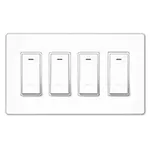
4 Switch Gang

A wall plate unit containing 4 individual switches

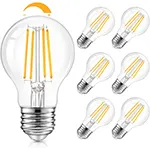
100W Light

100W Light

High-intensity electric bulb or LED unit

Single phase Light

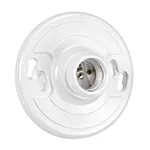
Well Light Holder

Recessed light holder typically used in ceilings/walls

*Please note: These are affiliate links. I may make a commission if you buy the components through these links. I would appreciate your support in this way!

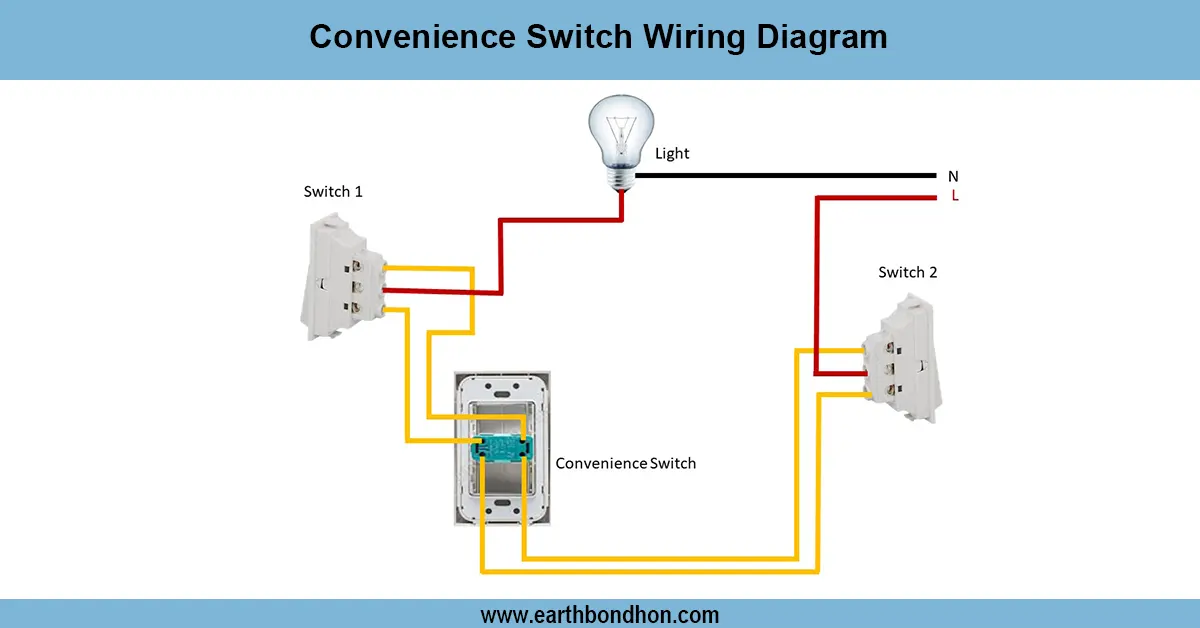
Switch Electrical Wiring diagram

Learn electrical switch board wiring with step-by-step guide, installation process, safety tips, and testing for proper function.
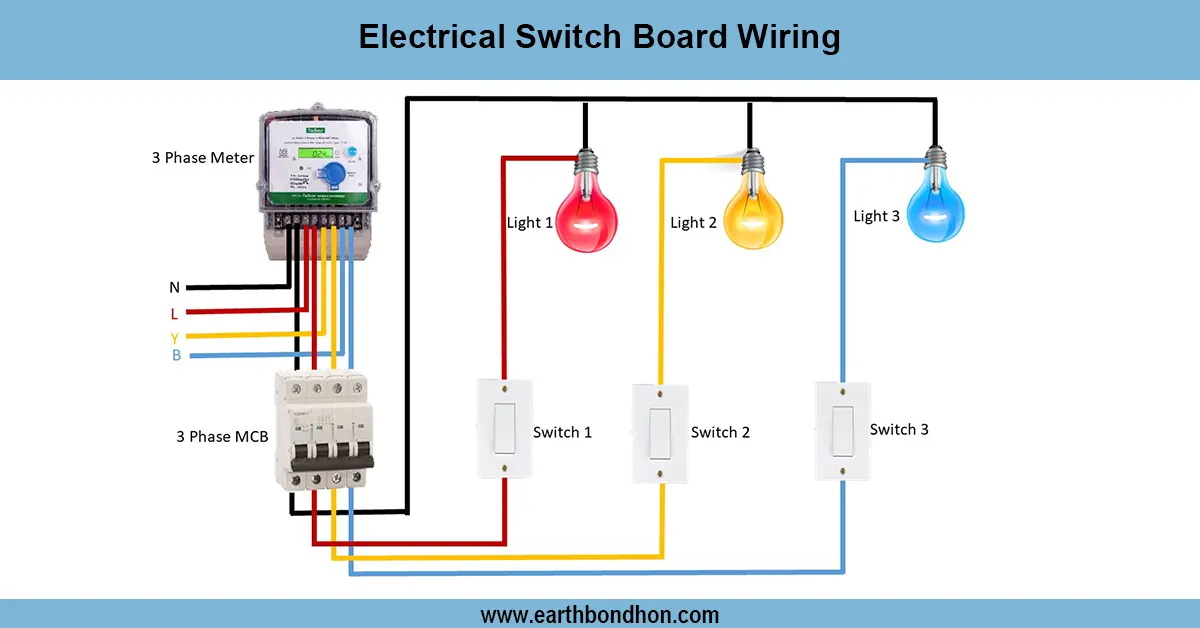
electrical switch board wiring diagram

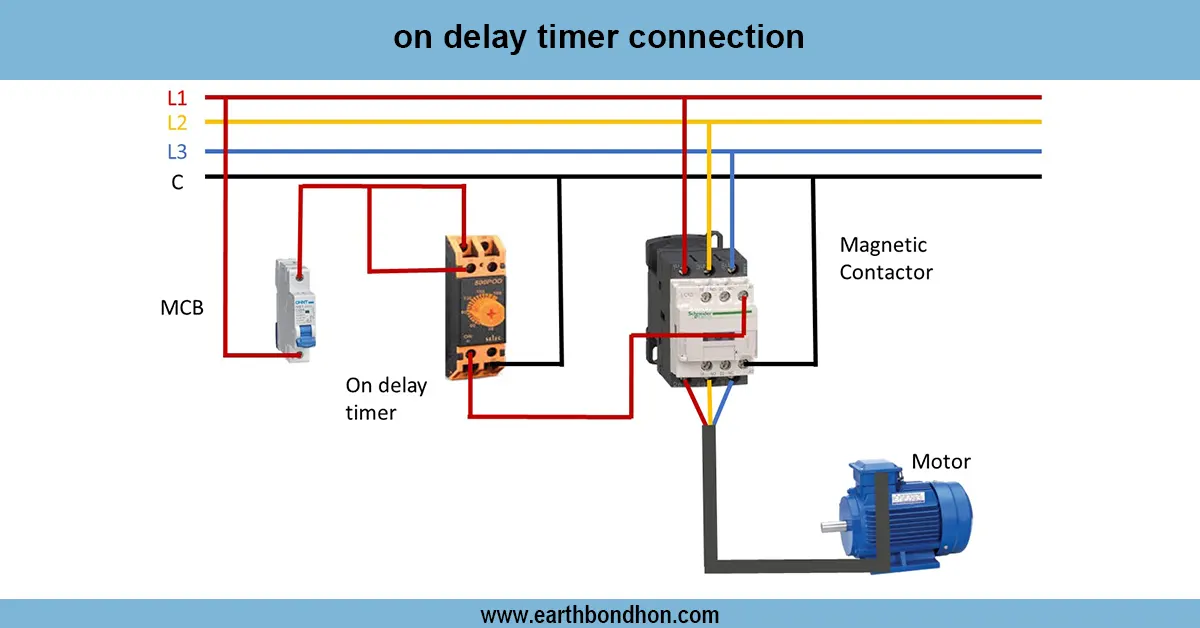
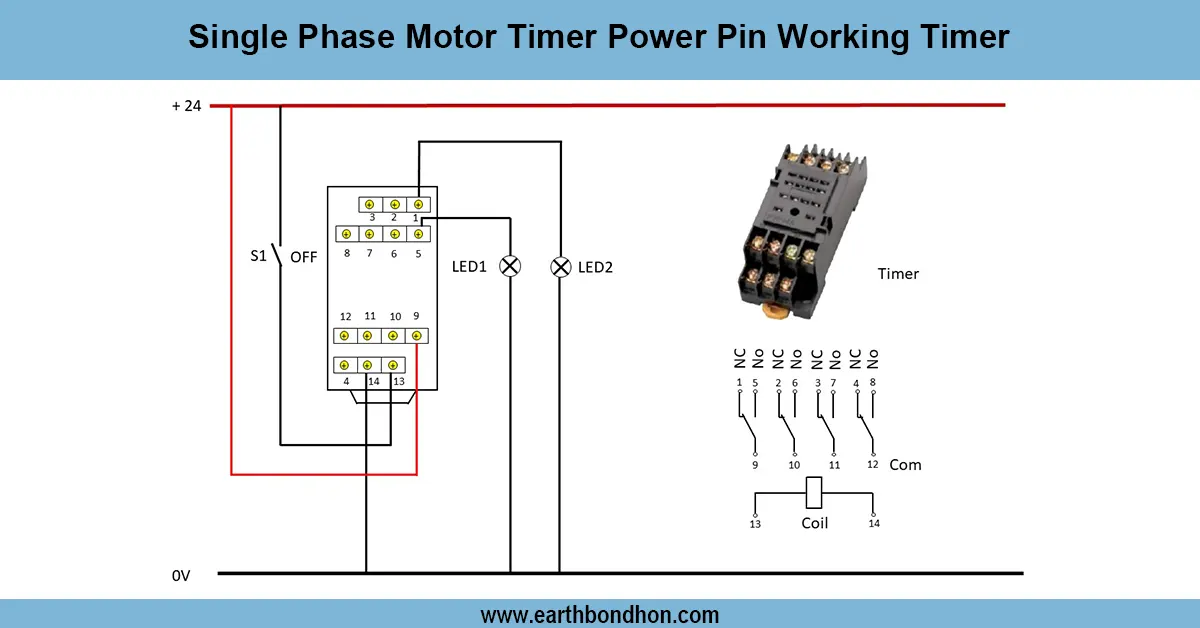
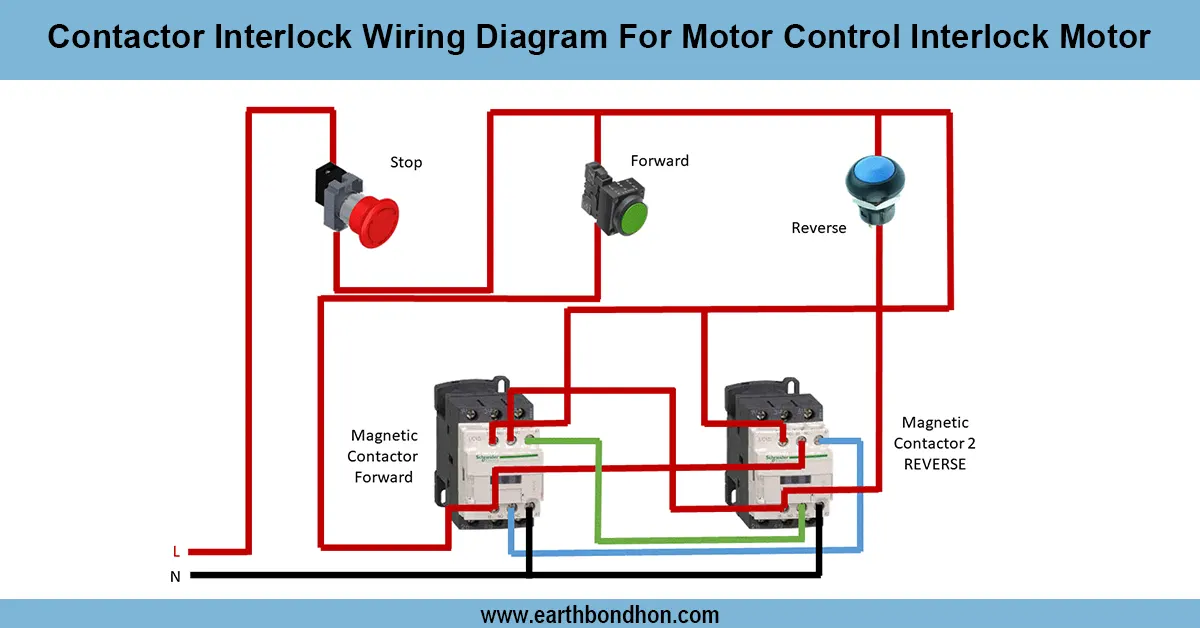
Electrical switchboard wiring is the connection of input power supply lines (phase, neutral, and earth) to the board and then supplying them to output loads via switches and sockets. It maintains the safety of using fans, lights, and appliances, and prevents any faults in the system.

3 phase transformer kVA to amps:

The 3-phase KVA to Amps calculation is essential for selecting proper cables, breakers, and protective devices in electrical systems. The formula is:

\[ I (A) = \frac{1000 \times KVA}{\sqrt{3} \times V} \]

Where: I is current in Amps, kVA is apparent power, and V is line to line voltage. E.g., a 50 kVA load at 415 V will require approximately 70A. This formula is extensively applied when it comes to the calculation of the load current of motors, generators, and transformers. The calculated current in the wiring is needed to determine the appropriate conductor size, MCCB/MCB rating, and relay settings. This is supplied by a 3-phase supply and through protective devices to the output load. Grounding and balancing phases properly are essential in order to have safe working conditions. A clamp meter tests the actual current with computed values. The approach keeps the equipment efficient, safe, and long-lived.

⚡ Work & Installation (Input → Output):

This 3-phase source of power is used to start the installation, with the voltage applied to a load, which could be a motor, a transformer, or a distribution panel. Primary, the load KVA rating is applied in combination with the supply voltage to estimate the anticipated current with the help of the KVA to Amps formula. Cables, circuit breakers, and protective relays are chosen for this current. All the input supply is passed by MCCB/MCB or protective relay, and then to the load. As an illustration, a 415 V- 100 kVA transformer is approximately 139A, thus cables and breakers are of that capacity. The wiring is done in such a way as to have a balanced distribution of current in all three phases. Lastly, the result is a constant supply to the load, and overload protection and adequate grounding are provided to ensure safety.

Testing & Final Adjustments:

Testing is done after installation so that the wiring and protection can be made equivalent to the calculated current. Test every connection with insulation resistance: First. Turn the power on and apply a load current on every phase with a clamp meter. Compare measured with calculated amps of the KVA formula. When the circuit is unbalanced, rearrange the circuits to obtain a phase balance. Will change MCCB/MCB or relay settings depending on the full load current. Check grounding; also, make sure that cable temperatures are safe when loaded. In case there are motors in the system, ensure that the starting current is not above the protective device ratings. Such modifications will ensure that 3-phase wiring will operate safely over the long run.

Frequently Asked Questions - Switch Electrical Wiring diagram:

What is electrical switch board wiring?

It is the process of connecting switches, sockets, and regulators to distribute electricity from input to output loads.

Which wires are used in switch board wiring?

Live, neutral, and earth wires are used for proper functioning and safety.

Why is earthing important in switch boards?

Earthing prevents electric shocks and ensures safety during faults.

What is the role of a switch in wiring?

A switch controls the flow of current to an electrical load like lights or fans.

How do you test a wired switch board?

Use a tester to check live connections and verify each switch and socket works properly.

What safety precautions should be taken?

Always turn off power supply before wiring and use insulated tools.

Can MCB be installed in a switch board?

Yes, MCBs provide protection against overloads and short circuits.

What wire size is suitable for switch boards?

Generally 1.5mm² to 2.5mm² copper wires are used depending on load.

How is a fan regulator connected?

The fan regulator is connected in series with the phase wire before the fan.

What is the difference between switch board and distribution board?

Switch board controls specific room loads, while distribution board handles entire building circuits.

Comments

Please login to comment.

Rojony Khatun

Rojony Khatun

Calculator Tools Project

Rojony Khatun is the creator of a free online tools website designed to simplify everyday and engineering-related calculations for students, professionals, and hobbyists. The platform offers a wide variety of basic and advanced calculators across key categories, including Electrical Calculators, Electronic Calculators, and Time & Date Calculators, helping users solve problems quickly and accurately.