3 Bulbs And 3 Switches Diagram
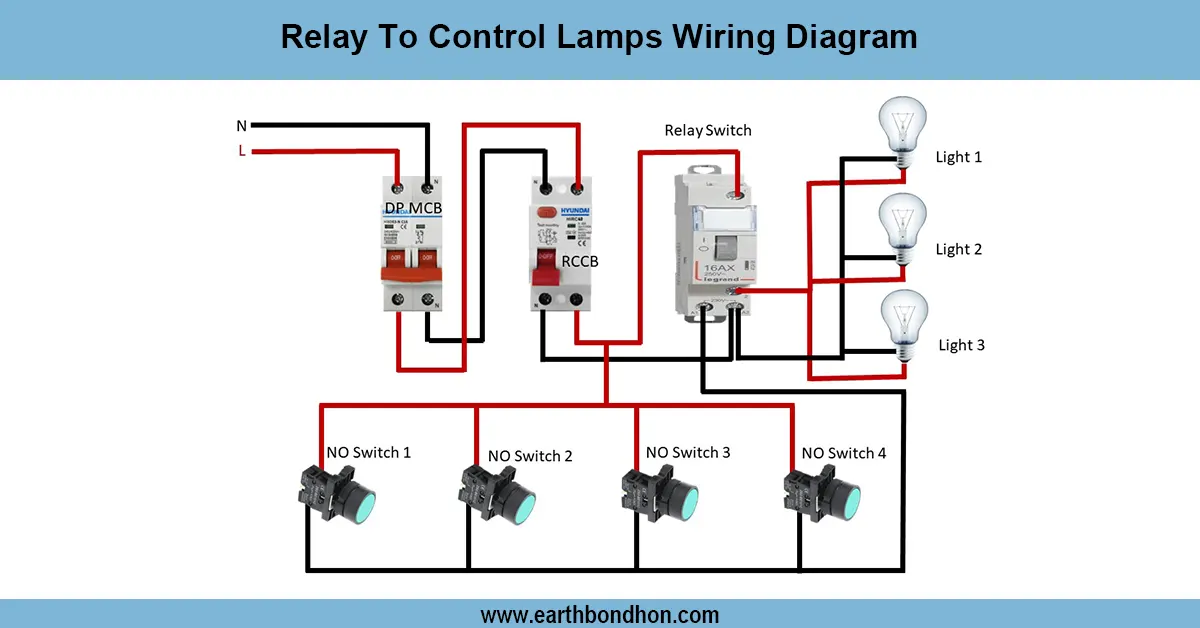
Learn how to wire 3 lights with 3 individual switches. Easy step-by-step diagram, formula summary, and connection table for beginners and professionals.
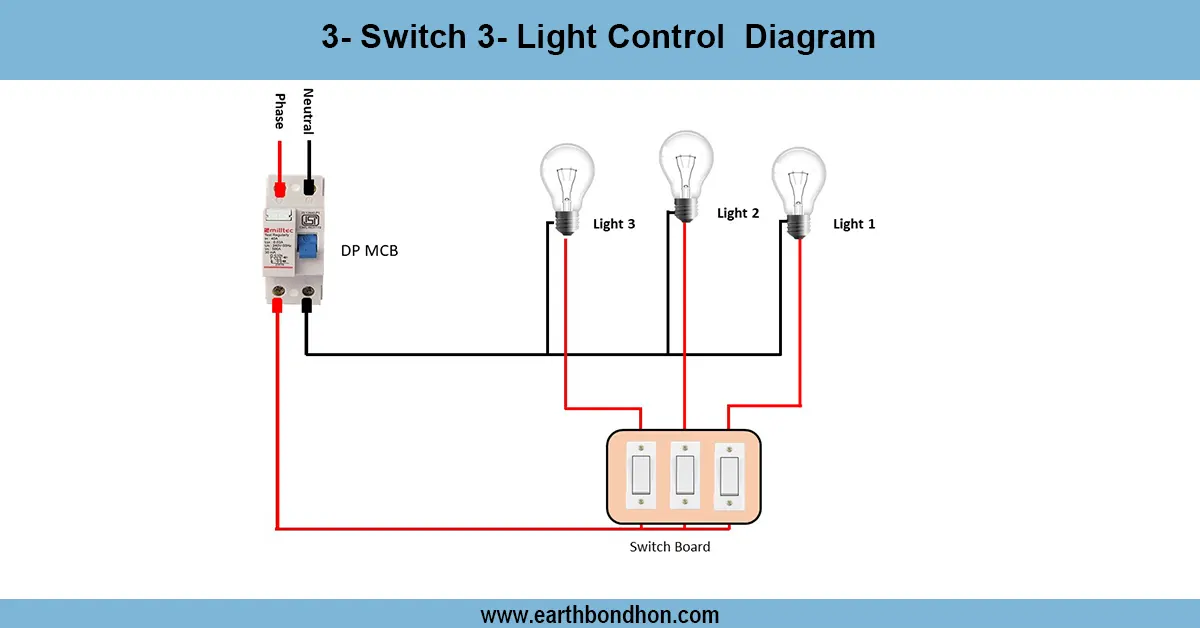
electrical wiring 3 lights diagram
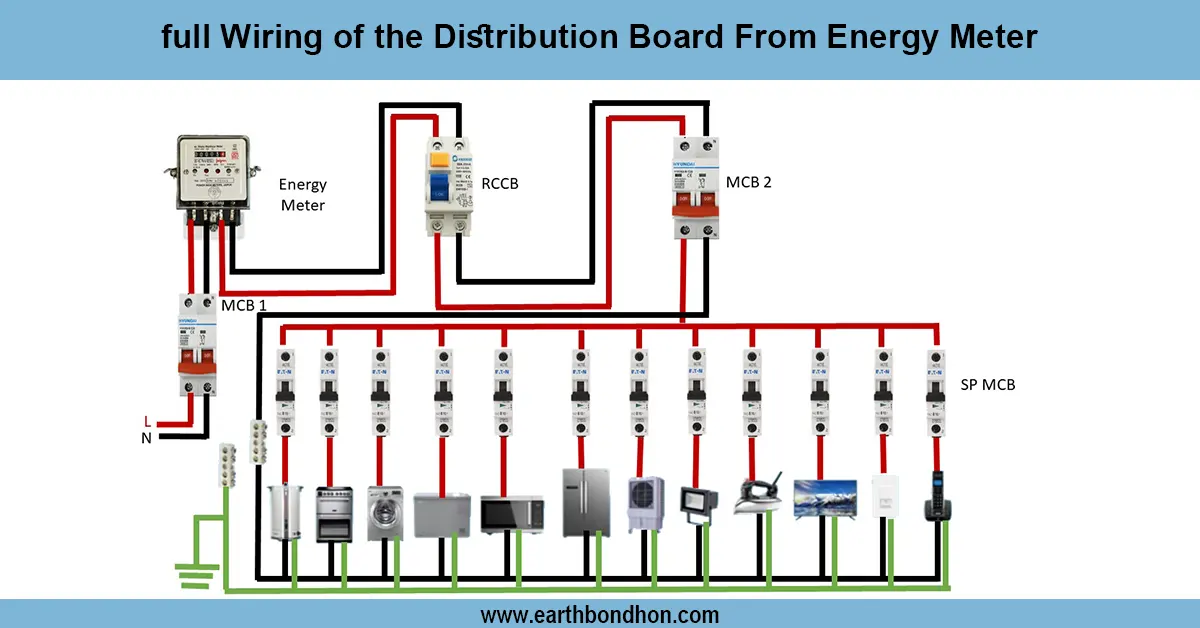
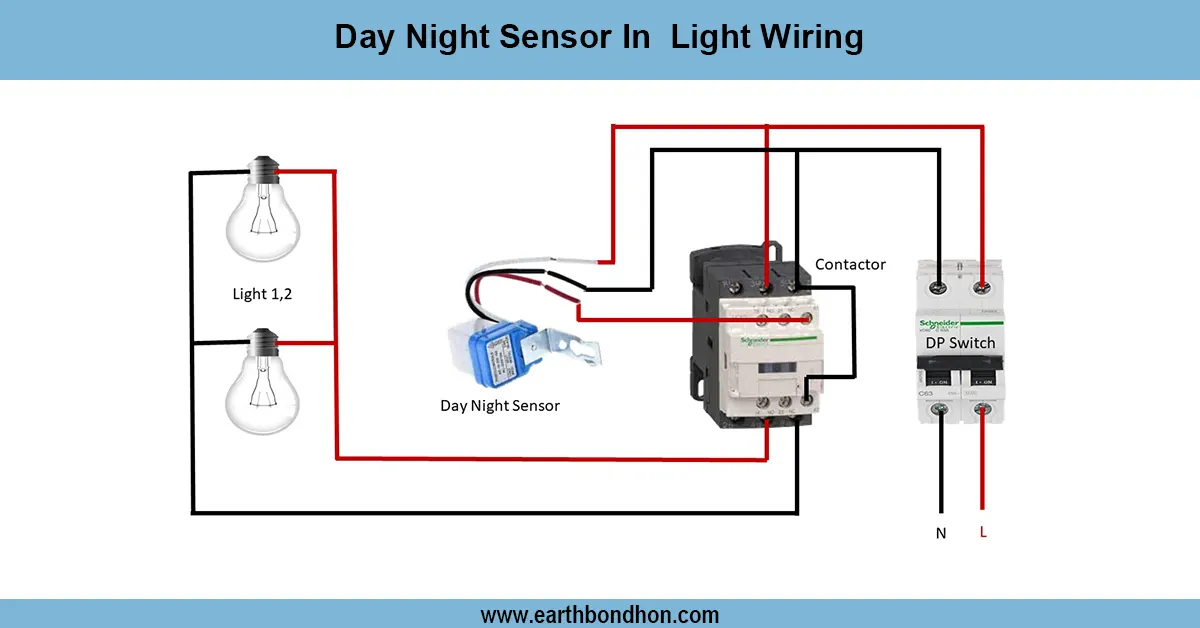
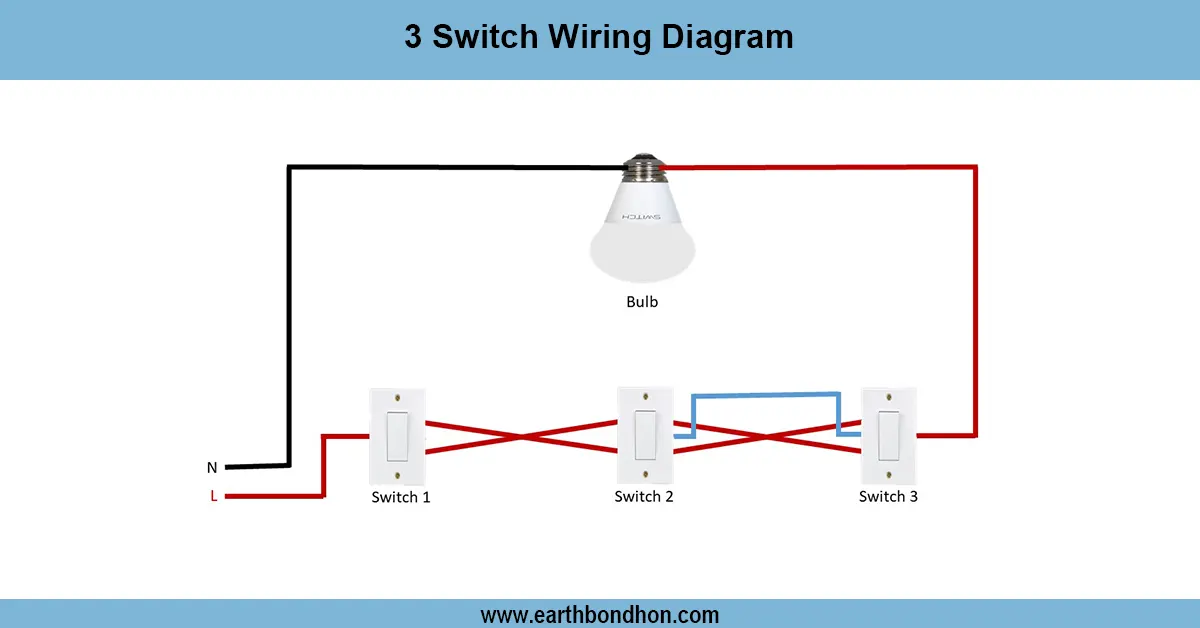
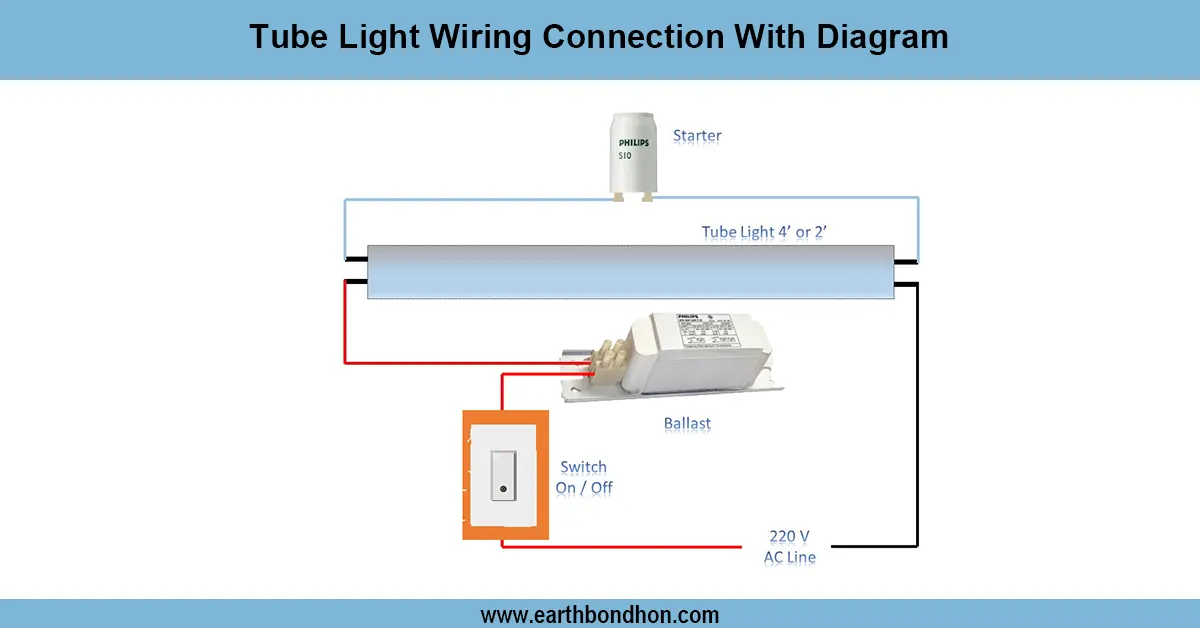
The process of connecting 3 lights to 3 individual switches is very basic in residential and business electrical setup. The lights have individually dedicated switches so that one can have full control and energy savings. The wiring part is clearly explained by diagrams, simplified formula and illustration of sample input-output table all of which are easy to comprehend, follow and implement by a beginner.
Formula & Table Summary:
Voltage (V): Usually 220-240V AC mains supply
Current (I): Depends on device/load connected
Power (P): P = V × I
Wiring Connections:
- Switch: Live (L) wire connected to switch input, output goes to light/load
- Socket: Live (L), Neutral (N), Earth (E) connected to respective terminals
switch wiring diagram
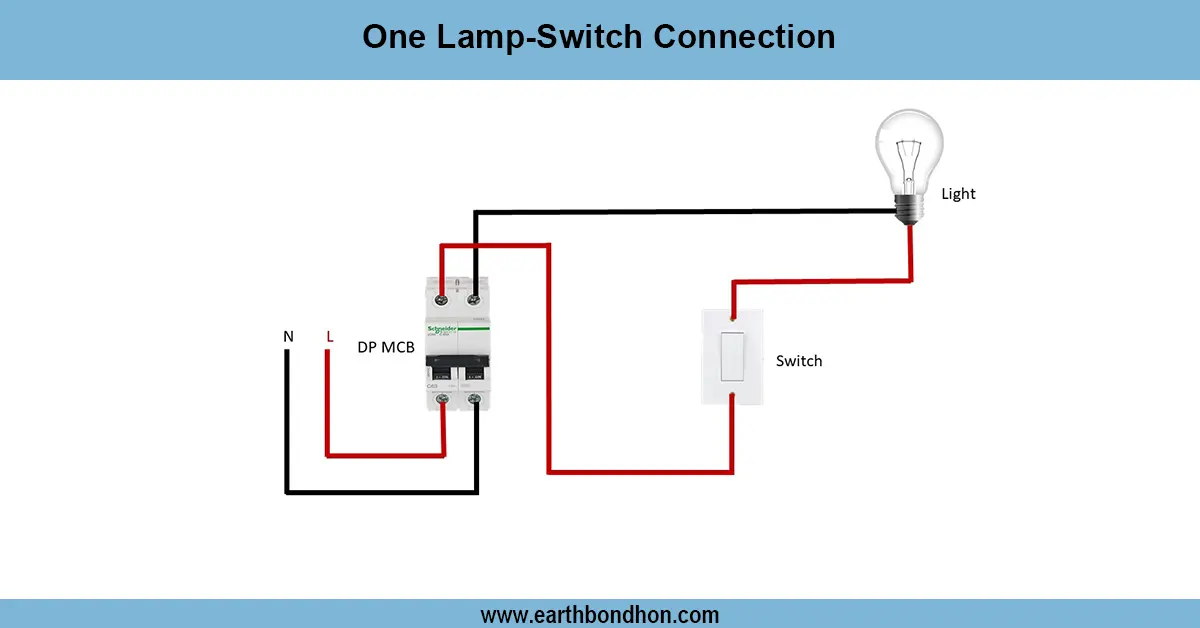
Switch and socket connection diagram A switch and socket connection diagram enumerates the communication of the electrical switches and sockets in a domestic electrical system. The electricity flow to a light or an appliance is usually controlled using switches, which open and/or close the circuit. Sockets are used to give power fittings to receptacles to plug the electrical devices. The wiring entails the live (L), neutral (N), and earth (E) wires that are properly wired such that they are both safe and functional. This is aimed at having simple wiring of the single-pole switch wiring and the standard socket outlet wiring with proper identification of terminal connections and color coding. Proper wiring eliminates the possibilities of electrical faults, shocks, and fire. The diagram can even guide electricians and Hobbyists in a series of wiring where the switch turns on the desired load and the socket has constant power. Contemporary houses are connected with color-marked wires like brown or red to communicate live, blue or black to neutral, and green/yellow to earth. Correct plugging and grounding of the socket is very important as far as electrical safety is concerned.
switch wiring diagram
| Component | Wire Color | Terminal | Function |
|---|---|---|---|
| Live Wire (L) | Brown / Red | Switch Input / Socket L Terminal | Carries current to device |
| Neutral Wire (N) | Blue / Black | Socket N Terminal | Completes electrical circuit |
| Earth Wire (E) | Green / Yellow | Socket E Terminal / Switch Frame | Safety grounding |
| Switch | N/A | Breaks or completes Live wire circuit | Controls power to load |
Frequently Asked Questions - 3 Bulbs And 3 Switches Diagram:
How do you wire 3 switches to 3 lights?
Each switch is connected in series with its corresponding light, with the live wire going through the switch and then to the light.
Can each switch control one light separately?
Yes, in this wiring method, each switch independently controls its own light.
Is this suitable for home lighting?
Yes, it’s a common setup in homes for controlling lights in different rooms.
What voltage is used in this diagram?
Typically 230V AC in most residential areas, but it depends on your region.
Is a neutral wire required?
Yes, a neutral line is needed for each bulb to complete the circuit.
Can I use one switch for all 3 lights?
Yes, but that’s a different circuit design. This setup focuses on individual control.
What wire size should be used?
For lights, 1.0–1.5 mm² copper wire is usually sufficient. Always follow local codes.
Is this circuit safe for outdoor lights?
Yes, with proper weatherproofing and protection, it can be used outdoors.
Can I add dimmers to each switch?
Yes, dimmer switches can replace standard ones if compatible with the bulbs.
Do I need a professional electrician?
If you're unsure or not certified, hiring a professional is highly recommended for safety.