3-phase Preventer Wiring
Learn single-phase preventer wiring, working principle, and protection features to prevent motor damage due to phase loss, overcurrent, or abnormal voltage conditions.

single phase preventer connection
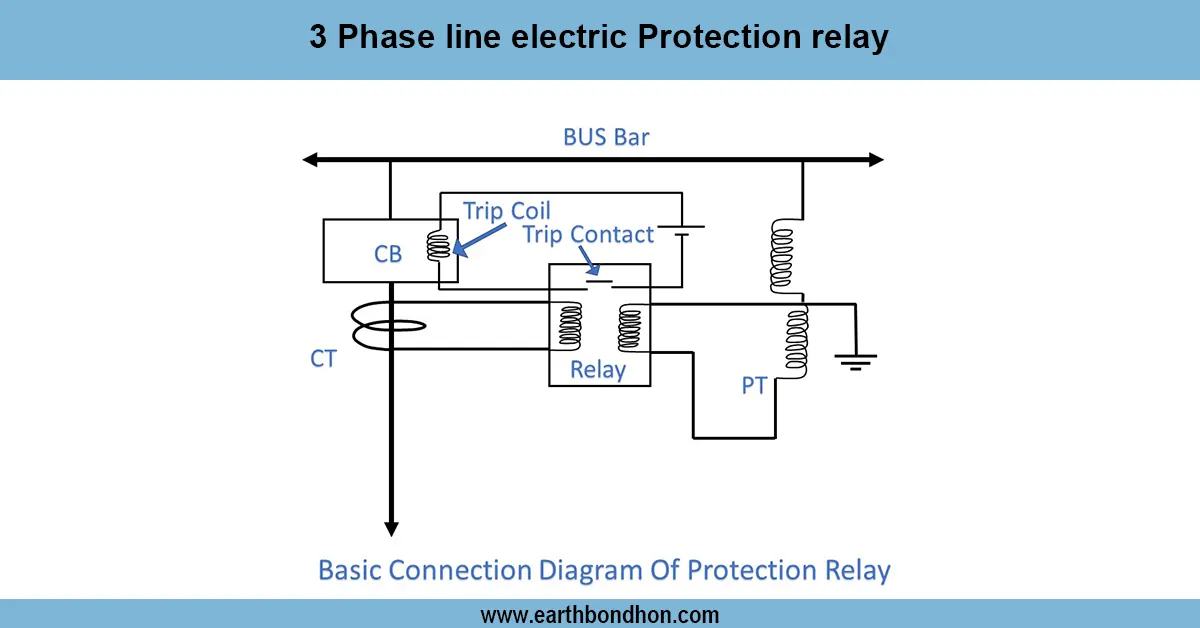
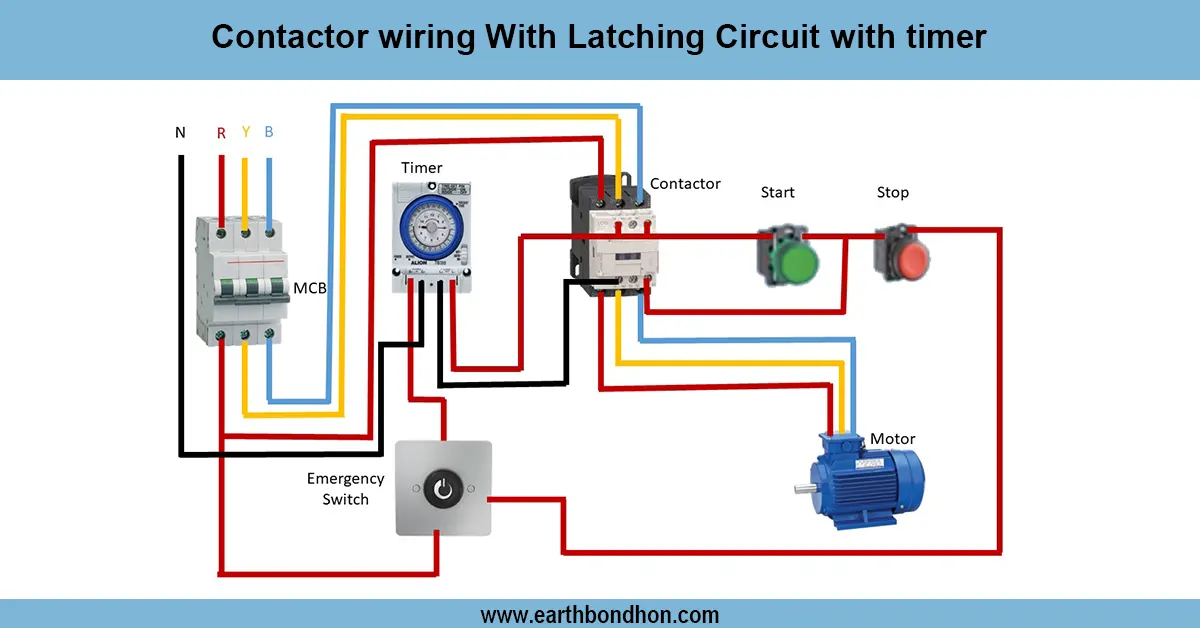
A single-phase preventer wiring diagram illustrates the connection of the device to the main supply and the starter of the motor to guard against single-phase, overcurrent, and voltage abnormality operation of the motors.
single phase preventer wiring:
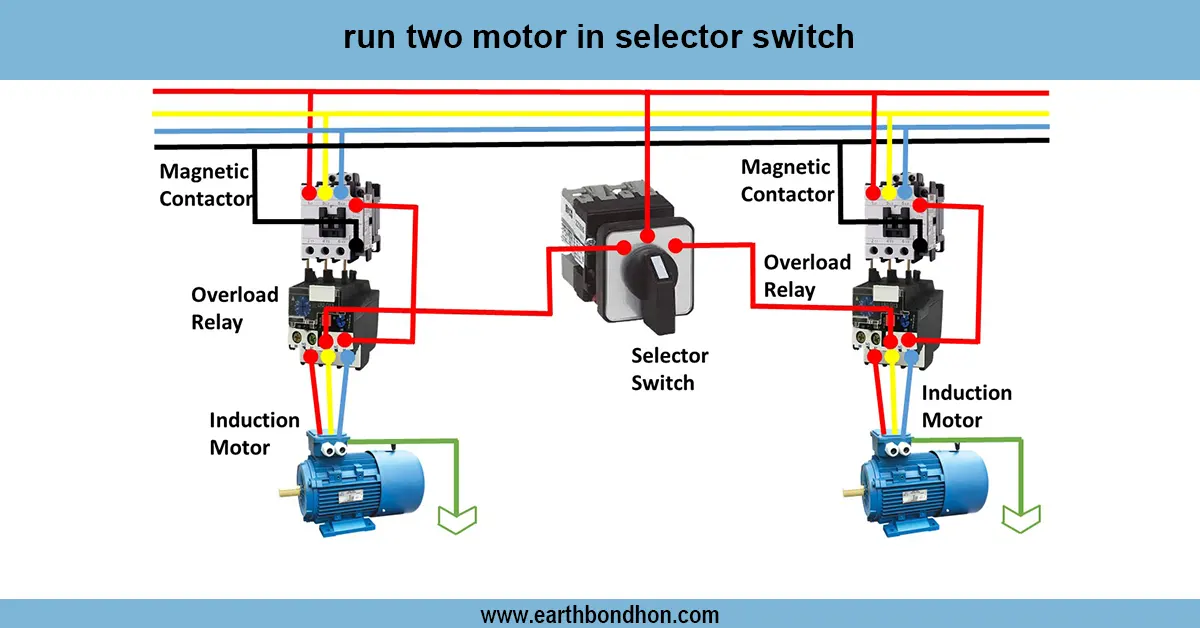
One phase preventer guards against the destruction of motors and electric equipment due to phase failure, single-phasing, overcurrent, or variation in voltages. It recognizes the absence of a phase of a three-phase system or abnormal supply voltage. At detection, the preventer activates the motor starter or de-energises the supply to stop the burn-out of the motor. The wiring diagram illustrates how to use the single-phase preventer in series with the starter coil of a motor and the main supply with a DP switch or an MCB to provide protection. It is widely employed in pumps, compressors, and other three-phase motors that can be utilised in a place where the supply is not reliable. The earthing must be done correctly to provide safety. Single-phase preventer use will enhance the life span of the equipment, avoid downtime, and counter electrical faults on the motor. The wiring diagram and the manufacturer's instructions should be observed, wherein installation should be done carefully to effectively and safely operate it.
Work & Installation (Input → Output,)
- Input Supply: Phase and neutral from main line.
- DP Switch / MCB: Provides isolation and overload/short circuit protection.
- Single Phase Preventer: Connected in series with motor starter coil or main supply; trips when phase loss or voltage abnormality occurs.
- Motor Starter/Coil: Activated when the supply is normal and deactivated when the preventer trips.
- Motor Terminals: Connected via starter output.
- Earthing: Motor frame, preventer, and switches grounded properly.
- Output: Motor operates normally under safe supply; stops automatically on phase failure or voltage anomalies.
This will provide security in the functioning of the motor and guard against electricity.
Testing & Final Adjustments
Wire money and turn on the DP Switch / MCB, after which the motor will start up. Test the reventer against the alternate preventer in case of single-phase or voltage loss (where safe). Confirm that the preventer switches the starter coil and cuts off the supply to the motor as soon as possible. Check the voltage in the motor terminals (approximately 380 V in the case of a 3-phase motor) and check that the device is operating correctly. Safe earthing of checks. Check wiring, terminals, preventer connections, etc., for looseness and unwrapped. Make sure that the motor where the fault supply is correct starts and functions normally and stops immediately when the fault conditions occur. Label the parts of the DP switch, preventer, starter coil, and motor terminals. Correct testing will protect against phase failure, overcurrent, along voltage abnormalities, which will lengthen the life of the motor, as well as avoid electrical risks.