Emergency Light Diy Circuit
Learn how to make an Emergency Light DIY Circuit with battery backup, LED, charger, and wiring diagram for home or workshop use.

What is an Emergency Light DIY Circuit?
An Emergency Light DIY Circuit is a low-budget circuit that makes use of LED lights to illuminate the circuit in case the main AC power supply dies. It has a rechargeable battery that is charged when the power is normal and gives a backup light when the power goes off. This circuit is safe, convenient, and efficient in the consumption of energy.
DIY emergency light circuit
An Emergency Light DIY Circuit is a simple and useful project that gives some kind of light during a power outage. It also has a rechargeable battery, light lamps, and a charging circuit as soon as there is continuous lighting. This is the most suitable project that can be installed in homes, offices, and workshops so as to stay safe during unpredictable blackouts.
This tutorial describes what an emergency light is, how it works, its wiring, and how to assemble a DIY circuit of an emergency light. It also brings out troubleshooting, applications, and safety precautions. The creation of this circuit allows hobbyists and beginners to teach about the process of battery charging, automatic switching, and LED working in a real-life DIY electronics project.
Components Required for the Circuit
- Rechargeable Battery (6V–12V, 1.3Ah–7Ah)
- LED Lamps or Bulbs
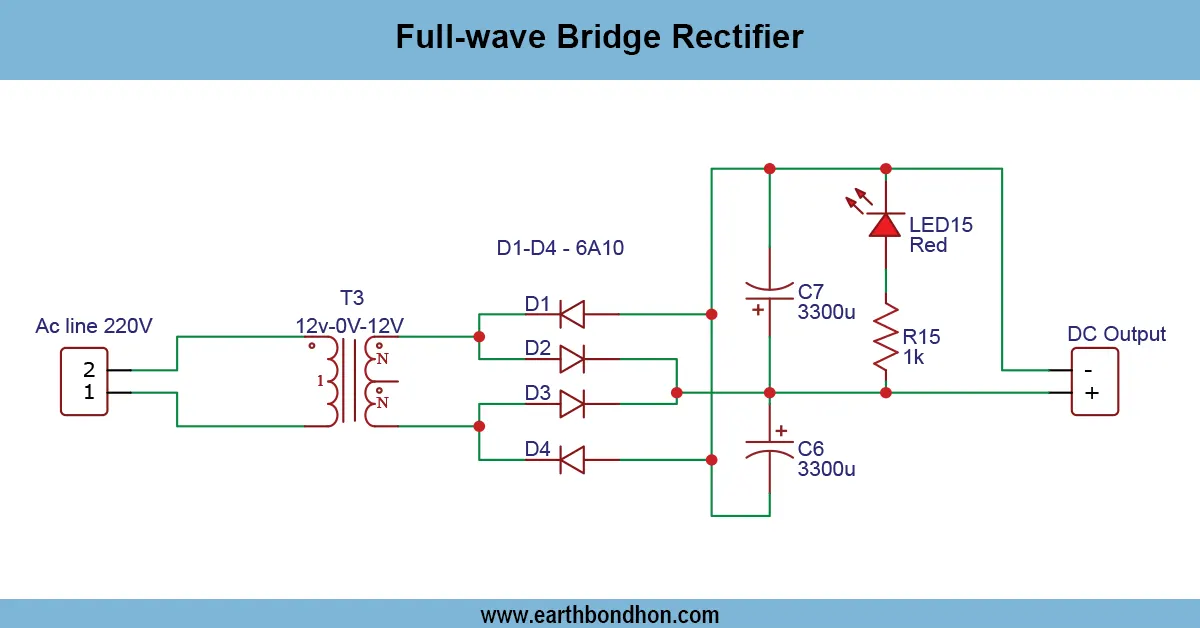
- Battery Charger Module (or transformer, bridge rectifier, and regulator)
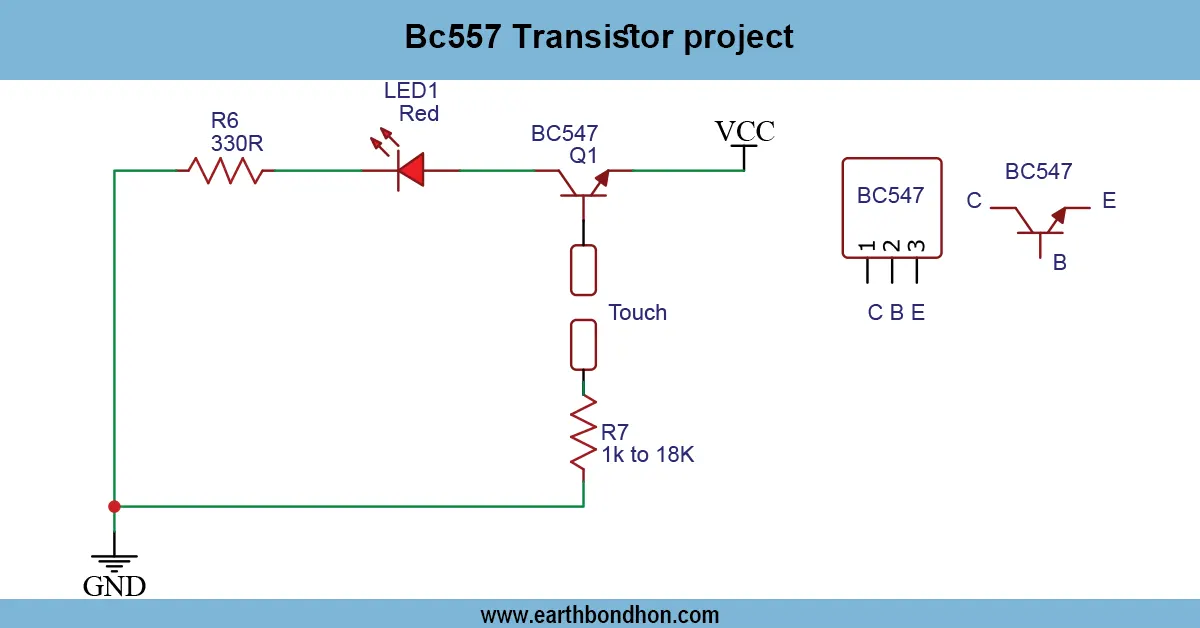
- Transistor (BC547 or similar)
- Diode (1N4007 for protection)
- Resistors (220Ω – 1kΩ)
- Switch (optional)
- PCB or Breadboard
- Connecting Wires and Enclosure
Working Principle of Emergency Light Circuit
Battery Charging Section
The AC mains supply charges the battery through a charger module or transformer-rectifier circuit. The diode prevents reverse current flow from the battery to the charger.
Automatic Switching to Battery
When the AC power fails, the transistor senses the voltage drop and automatically switches the LED load to battery power.
LED Lighting Section
The LEDs illuminate using the battery voltage. A suitable resistor limits the current to protect the LEDs from damage.
Emergency Light Circuit Wiring Diagram
- Connect the AC supply to the battery charging section.
- Connect the output of the rechargeable battery to the LEDs through a transistor switch.
- Add a diode across the battery to prevent reverse discharge.
- Use a resistor in series with the LED to limit the current.
- Optionally add a manual switch for testing or emergency ON.
Step-by-Step Construction Guide
- Assemble the battery charging section on a PCB or breadboard.
- Connect the battery terminals with diode protection.
- Mount the LEDs in series or parallel depending on the battery voltage.
- Set up the transistor switching section to detect mains failure.
- Connect the LEDs to the transistor output for automatic illumination.
- Turn off the AC supply to test if the backup lighting works.
- Enclose the circuit safely inside a non-conductive box.
Applications of Emergency Light
- Home emergency backup lighting
- Office and workshop illumination
- Staircase or hallway safety lights
- LED emergency lamps for classrooms
- Portable DIY emergency lighting projects
Safety Precautions
- Use the correct battery rating for LED load.
- Ensure proper AC wiring and insulation.
- Do not short-circuit battery terminals.
- Avoid touching live AC connections.
- Enclose the circuit properly to prevent accidental contact.
Troubleshooting Common Issues
LED Not Turning ON
Check the battery charge level and polarity. Verify transistor and diode connections.
Battery Not Charging
Ensure the AC supply is reaching the charger module. Check the diodes and voltage regulator connections.
LED Flickering
Make sure the battery voltage is stable. Fix any loose connections or replace a weak battery.