
Generator Transfer Switch Wiring
Learn generator wiring to the home supply system, including transfer switch, MCBs, neutral, and earth for safe, reliable power during main line failure.
backup generator connection to house
Installing a generator with a transfer switch hardwired into a domestic power supply provides uninterrupted power in the case of a power environmental emergency. Correct line, neutral, and earth connections help to prevent back-feed and secure electrical appliances.
generator automatic changeover wiring
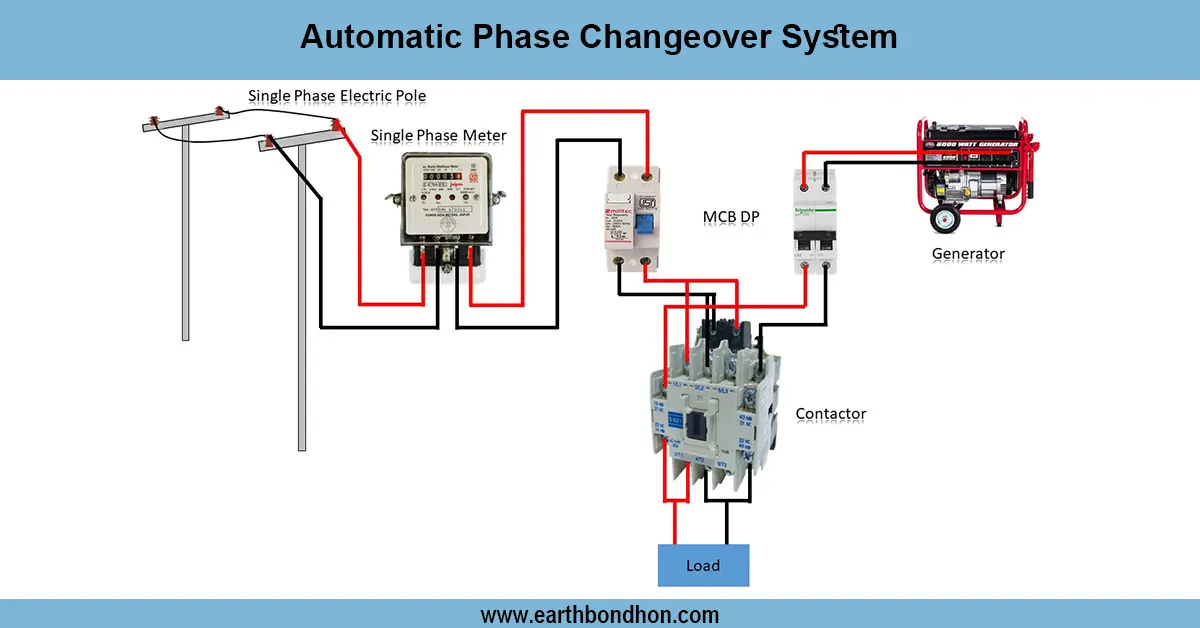
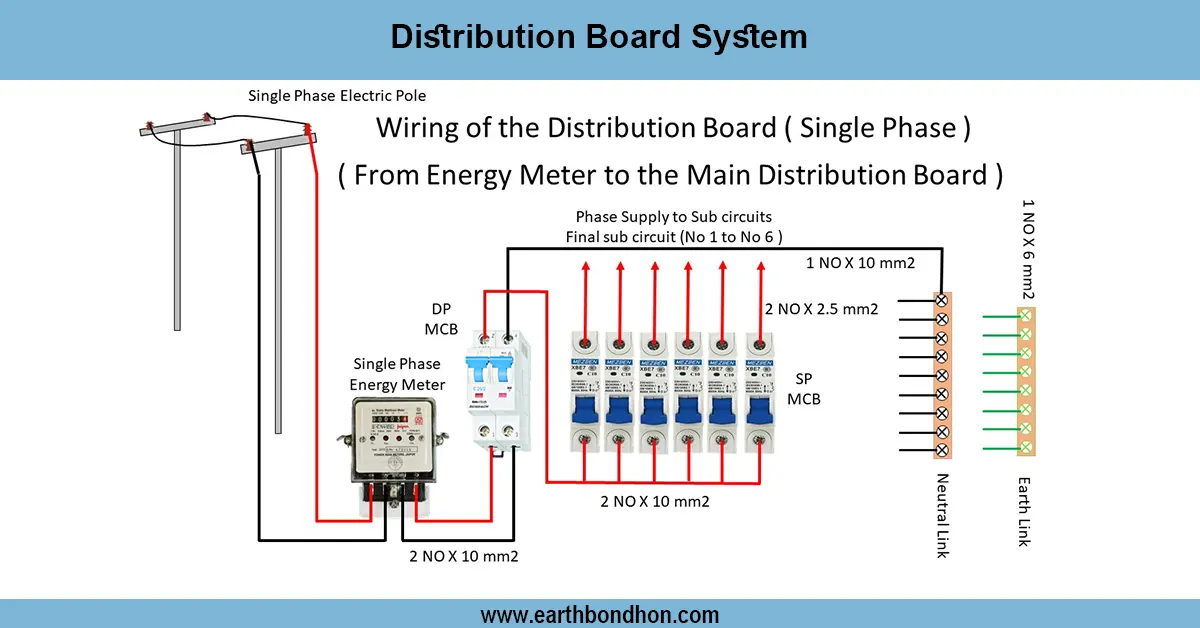
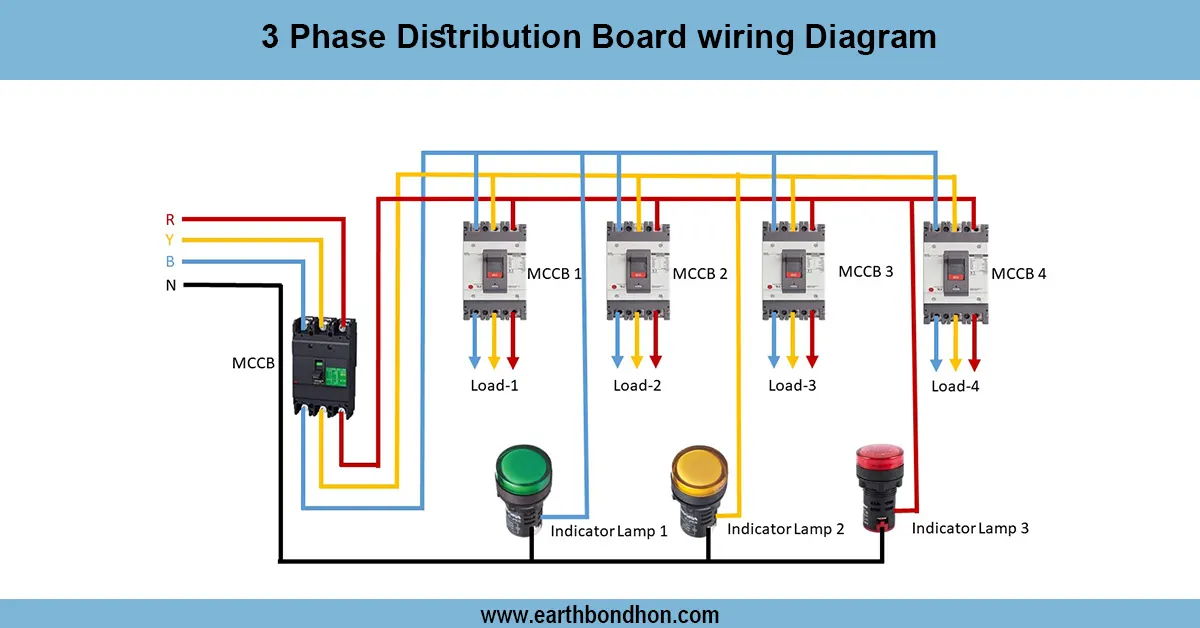
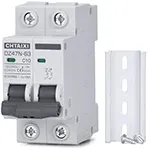
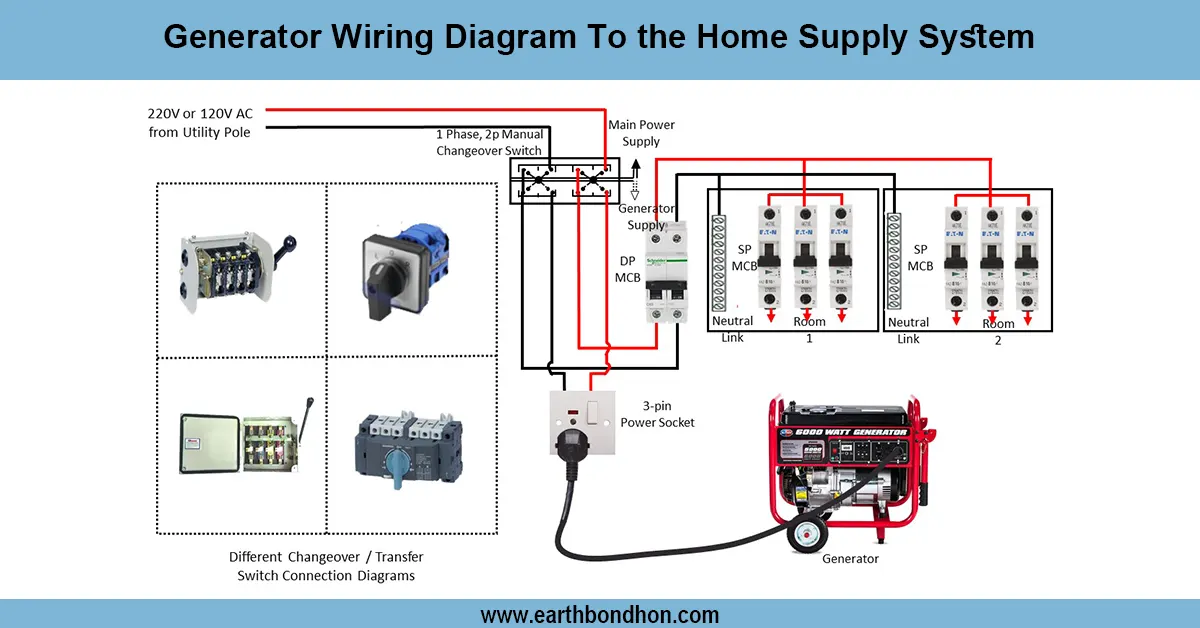
The reason why a backup generator needs to be connected to a residential electrical panel is presented in the generator wiring to the home supply system. The generator is then linked to the main line via a manual or automatic transfer switch so that the generator cannot feed off the main line. The line and neutral of the generator are connected to the input of the transfer switch, and the output of the switch then goes to the main distribution board. Branch circuits are still linked to the distribution board, and the circuit is guarded by an MCB or RCCB. The earthing of the generator and neutral is correct, providing safety. This system will provide a continuous power supply when the mains goes dead and avoid causing any damage to the generator or domestic wiring. The process of testing includes turning on the generator, turning on the transfer switch, and ensuring that all the circuits in the home are receiving power safely. This design is common in homes and small commercial systems where there is a need for a consistent backup power.
Work & Installation (Input → Output Summary)
- Generator AC Output (Line & Neutral) connects to transfer switch input.
- Transfer Switch selects between mains supply and generator output.
- Output of the transfer switch connects to the home distribution board.
- Branch MCBs feed lighting, sockets, and appliances.
- Earthing of generator and neutral ensures safety and prevents shocks.
- Proper wiring prevents simultaneous connection of mains and generator, ensuring safe backup power operation.
Testing & Final Adjustments
- Inspect all wiring connections: generator, transfer switch, distribution board, MCBs, and earth.
- Start generator; verify voltage output is stable.
- Operate transfer switch to connect generator to home supply; ensure load continuity.
- Switch back to mains supply; ensure seamless changeover without overload.
- Check MCBs for proper protection during generator operation.
- Verify earthing of the generator and neutral connections.
- Inspect for loose connections, insulation issues, and correct polarity.
- Test multiple ON/OFF cycles to ensure consistent operation.
- Confirm no back-feed into the mains line during generator operation.
- Document wiring and testing results for maintenance and safety compliance.