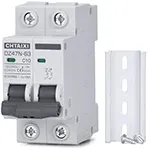


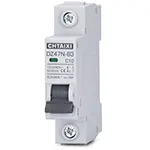
RCCB Wiring Connection
Learn single-phase RCCB wiring diagram, including DP switch/MCB, neutral and phase connections, earth safety, and step-by-step installation for home or small systems.

single phase RCCB connection diagram
A RCCB single-phase wiring diagram is a wiring diagram that illustrates the connections of phase and neutral in terms of the RCCB to ward off leakage currents and DP switch/MCB to ward off overcurrent.
single phase RCCB working principle:
One phase RCCB (Residual Current Circuit Breaker) shields individuals and equipment against leakage current electric shock. It notices the disequilibrium among the phase and neutral currents and de-energizes the circuit when leakage takes place. The wiring diagram indicates that the phase and neutral connections of the main supply to the RCCB input and output terminals are connected. Isolation and overcurrent protection are done by a DP switch or MCB. The RCCB requires proper earthing in order to work properly. RCCBs come in single-phase designs that are commonly applied in residential wiring of lights, sockets, and appliances to prevent electric shocks and fire hazards. In line with the wiring diagram means proper installation, protection, and proper functioning. Post-installation testing should also be done to confirm the operation of the tripping mechanism as well as compliance with safety.
Work & Installation (Input → Output,)
- Input Supply: Single-phase 220V–240V AC supply.
- DP Switch / MCB: Isolates supply and protects against short circuit or overcurrent.
- RCCB Input Terminals:RCCB Input Terminals: Connect phase and neutral from main supply.
- RCCB Output Terminals: Connect to load circuits such as lights, sockets, and appliances./li>
- Earthing: Proper earth connection is mandatory for safety.
- Output: RCCB trips instantly if leakage current exceeds the rated value, preventing electric shock and protecting connected devices.
This installation guarantees the safety and adherence to the standards of electrical safety in residential or small systems.
Testing & Final Adjustments
Wire up and switch on the DP switch/MCB and ensure that the RCCB is live. To test leakage current, press the test button on the RCCB. The device is supposed to trip at the first pulse, and the circuit it serves must be de-energized. Re-establish the supply and make sure that RCCB clears. Make sure that phase and neutral connections are taught in and tight. Check earthing continuity and connection. Ensure that when RCCB is ON, all downstream equipment, e.,g. lights, sockets, appliances, etc., are working correctly. Make sure that there is no exposed wiring or unsecured terminals. Label RCCB, DP switch, and main supply for easy recognition. Testing ensures that the RCCB can be relied upon to offer good protection against leakage current, electric shock, and the possibility of fire which can pose danger to all the circuits that it is connected to.