


single-phase Distribution Board Connection
Learn single-phase switch distribution board wiring, including MCB, DP switch, neutral, phase, load connection, and proper earthing for safe home power distribution.

single phase distribution board wiring diagram
One phase switch distribution board connection diagram demonstrates how to safely connect the main phase and neutral with the use of a DP switch/MCB to several load circuits with due earthing.
home distribution board wiring:
To supply electricity safely in a home or small office, a single-phase switch distribution board (DB) is utilized to supply the electricity to multiple circuits. The main meter phase and neutral supply continues into the distribution board by way of a DP switch or MCB to provide overcurrent and isolation protection. Various MCBs or miniature circuit breakers are attached to various load circuits such as lights, fans, and sockets. Neutral and phase bus bars are properly organized by using proper bus bars. DB earthing is needed to ensure that users are not shocked by electricity. The wiring diagram indicates the distribution of phase and neutral from the main supply to separate circuit MCBs, and these to the terminals of the loads. The adherence to the diagram guarantees proper, secure, and connected connections, minimizes the risk of electrical hazards, avoids overloading as well, and offers an efficient management of the electricity. The maintenance and safety are increased by checking and labeling of circuits regularly.
Work & Installation (Input → Output,)
- Input Supply: Phase and neutral from main energy meter enters the DB.
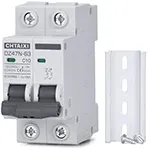
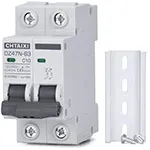
- DP Switch / MCB: Provides isolation and overload protection.
- Phase Bus Bar: Connects DP switch output to individual MCBs for each circuit.
- Neutral Bus Bar: Distributes neutral to all circuits.
- MCBs: Protect individual load circuits (lights, fans, sockets).
- Earthing: DB frame and bus bars connected to proper earth.
- Output: Load circuits receive safe, controlled power for daily use.
This is to guarantee safe, efficient, and orderly delivery of single-phase electricity in residential or small offices.
Testing & Final Adjustments
Once wired, the main DP switch/MCB should be turned on and each of the MCs checked. Ensure that every load circuit (lights, fans, sockets) is fed with the right voltage (~220 -240 V). Ensure that all the phase and neutral connections are fastened and in the proper position. Check earthing continuity safety. Make sure that you do not have any loose or exposed wires. The circuits are labeled with MCBs to identify with easily. The MCBs should be switched off one at a time to ensure that they isolate only the circuit. Transistor overloading Protection by imitating overcurrent. PA propertest is done to make sure that the distribution board is safe with no risks of electric shock, overloading, or fire. This installation can supply dependable, systematized, and effective electricity distribution to all the house circuits that are connected. It is also advisable to maintain and check it regularly to be sure that it is safe and functional over time.