

Manual Transfer Switch In Contactor Wiring
Learn manual transfer switch wiring with a contactor to safely switch between mains and generator, protecting home circuits and ensuring uninterrupted power.
MCB and contactor switch diagram
Seeking mains or generator supply can be safe with a contactor-wired manual transfer switch. The supply of power to the load is switched through a single source to avoid back-feed and to safeguard electrical equipment.
generator to home wiring diagram
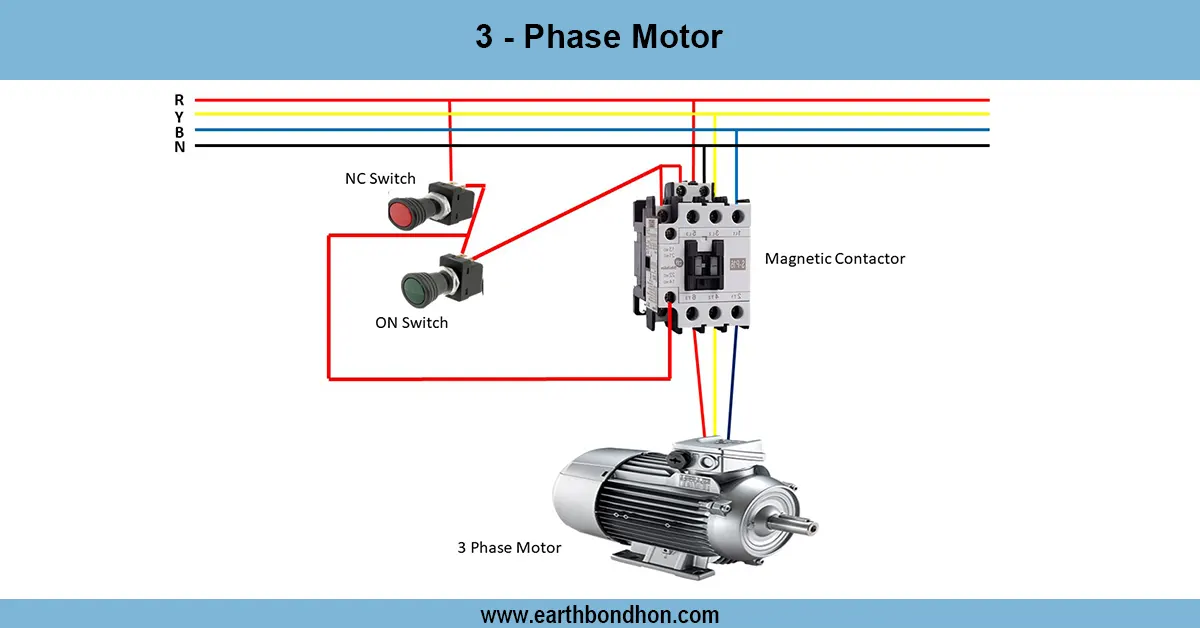
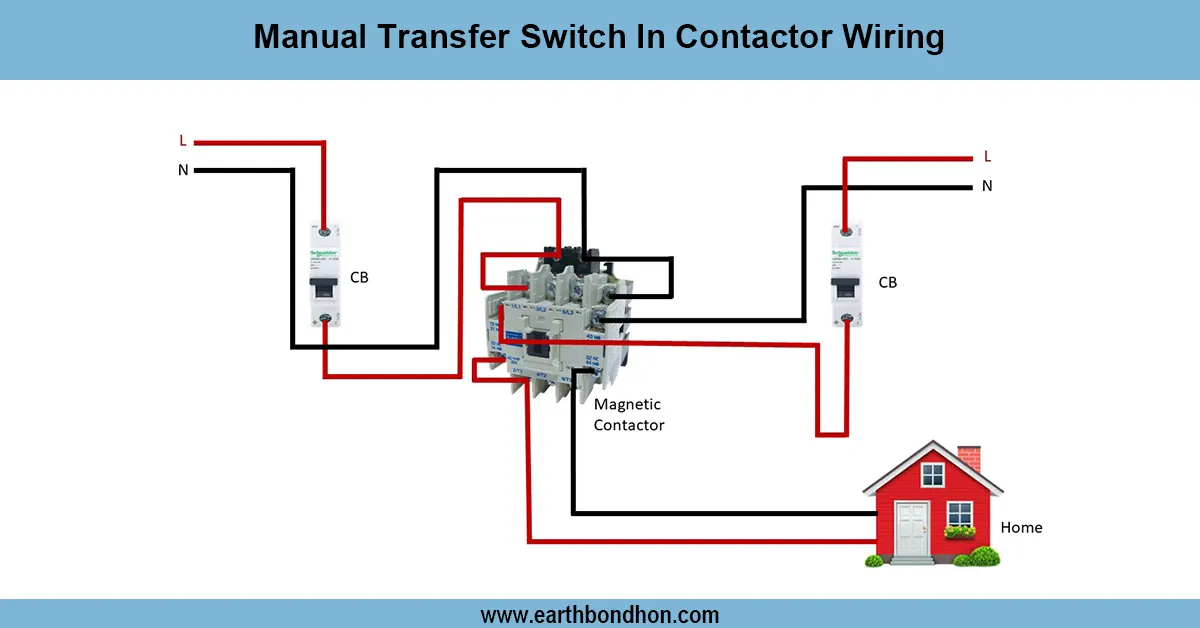
Contactor wiring Manual transfer switch in contactor wiring permits high-current loads to be switched between mains and generator by means of a contactor. The mains supply is fed through one side of a main MCB and into one side of the contactor input. The main generator output goes to the other input terminal. The contactor coil is operated by a manual transfer switch, which, with both mains and generator connected, provides a choice of mains or generator to power the load. The home distribution board is fed by the output of the contactor. Earth connection and neutral should also be correctly maintained to keep safe. Testing will consist of mains-generator switching and circuit testing to ensure the circuits are correctly powered and there is no back-feed. This type of wiring system is common in houses and other small commercial setups to provide a safe back-up power and protection to the electrical appliances. Safe operation and convenient maintenance are guaranteed with proper labeling and safe wiring.
Work & Installation (Input → Output Summary)
- AC mains supply connects to main MCB and then to one contactor input.
- Generator output connects to the other contactor input.
- Manual transfer switch controls the contactor coil to select the power source.
- Contactor output connects to the home distribution board.
- Neutral and earth connections are maintained properly.
- Ensures only one source is active, preventing short circuits and equipment damage.
Testing & Final Adjustments
- Verify all wiring: mains, generator, contactor, manual switch, and DB connections.
- Test switching from mains to generator; ensure circuits receive power safely.
- Switch back to mains; verify smooth operation without tripping MCBs.
- Check neutral and earth continuity for safety.
- Inspect contactor operation under load; ensure reliable switching.
- Test multiple ON/OFF cycles to confirm durability and safety.
- Label mains and generator inputs clearly at the manual transfer switch.
- Ensure MCB trips correctly under overload conditions.
- Confirm no appliances are damaged during switching.
- Document wiring and testing results for reference and maintenance.