Three Phase to Single Phase Energy Meter Wiring Diagram
Learn how to wire a three-phase energy meter for single-phase measurement safely, including connections, current/voltage terminals, and protective devices.

how to connect single phase load to three phase meter
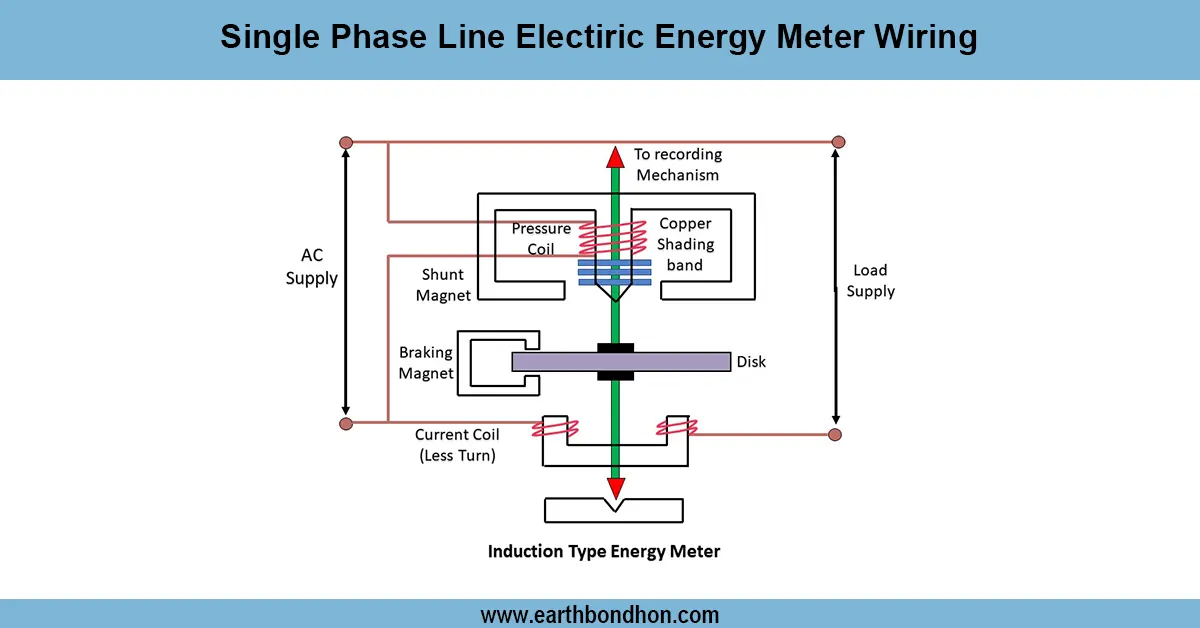
A three-phase energy meter wiring diagram of a single-phase supply allows connection of line and neutral to the meter voltage terminals, and the load is connected to current terminals, making sure that the meter is correctly measured and operation is safe.
3 phase meter connection for single phase load:
Three-phase single-phase wiring on an energy meter enables the power use on single-phase circuits to be monitored with a three-phase meter. This is normally applied in cases where one has a three-phase meter and the supply is single-phase. The wiring consists of connecting the line (L) and the neutral (N) of the single-phase supply to the voltage terminals of the meter, with the current terminals (CTs) or line terminals being connected up to the load. Earthing should be properly done in order to avoid electrical hazards. MBC or fuse should be fitted on the main line to protect it. Adherence to the wiring diagram will guarantee proper measurement of energy, safe installation, and proper operation. The technique is common in domestic or small commercial single-phase systems, so that it can be easily combined with existing three-phase meters. Correct wiring prevents overloading as well as gives proper readings.
Work & Installation (Input → Output,)
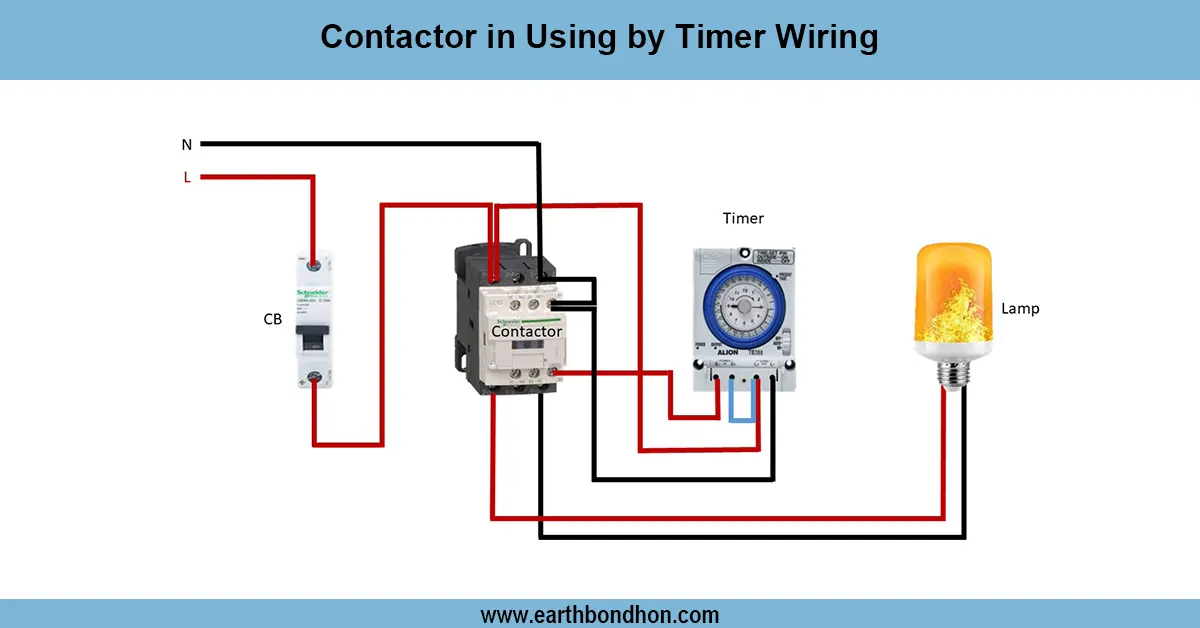
- Single-Phase Supply Input: Connect live (L) and neutral (N) from the mains to the meter voltage terminals.
- Current Terminals: Connect the line wire through the meter’s current terminals to the load. Neutral is connected directly to the load.
- Load Connection: Connect the output terminals from the meter to the single-phase load.
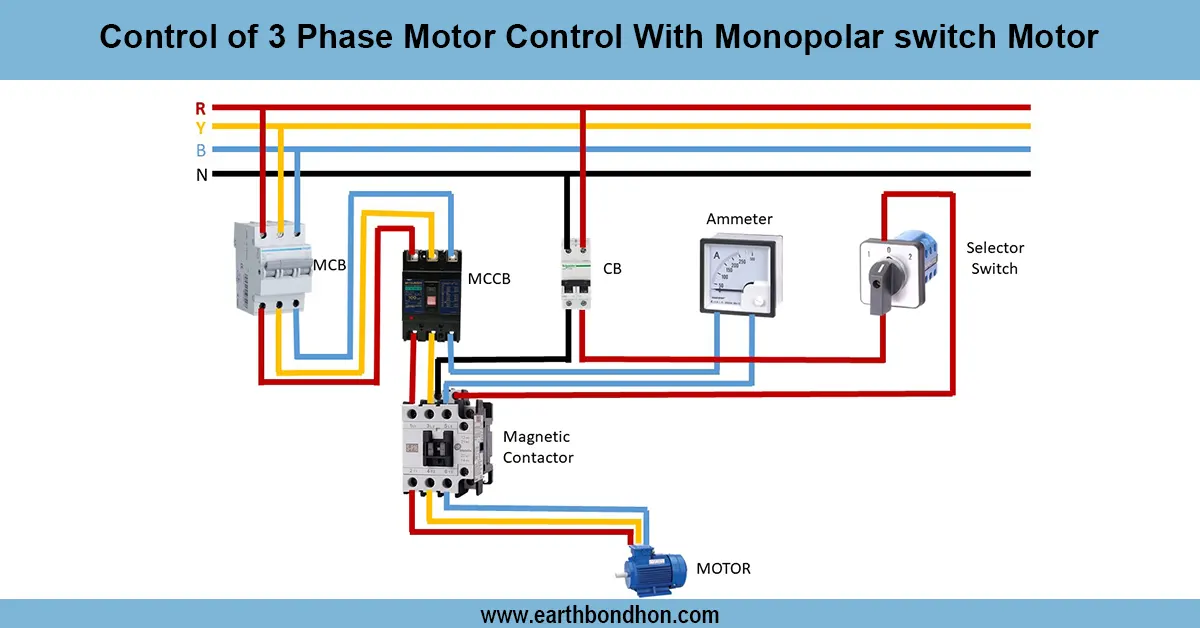
- Protection Devices: Install an MCB or fuse in series with the live wire for overload and short circuit protection.
- Earthing: Properly earth the meter body and metallic parts of the load.
- Operation: The energy meter accurately measures consumption of the connected single-phase load.
- Output: Provides correct readings for billing and monitoring while maintaining safe electrical operation.
Testing & Final Adjustments
Wire and then switch ON the supply and ensure that the meter shows the correct voltage and current. Verify that the load is having the appropriate voltage and that it is functioning normally. Check all connections as tight, well-insulated, and earthing. Ensure that protective equipment is operating properly by testing the MCB or fuse. Make sure that the current is passed through the current terminals and voltage terminals of the meter. Designate all wiring to be easily recognised. Check the meter, wiring, and protective devices every now and then so that they are measured properly and are operating in a safe manner. Proper wiring prevents overloading, proper billing, and avoids damage to meters or electrical hazards.