
Ampere Meter Connection
Learn how to wire a single-phase ampere meter to measure current in a residential circuit safely, including CT connections, fuse protection, and load wiring.
single-phase load current measurement
The ampere meter is a single-phase meter used in the measurement of current in a domestic or small factory circuit. Granting of proper wiring, proper polarity, as well as proper connection is regarded as giving proper readings and safety.
residential ampere meter setup
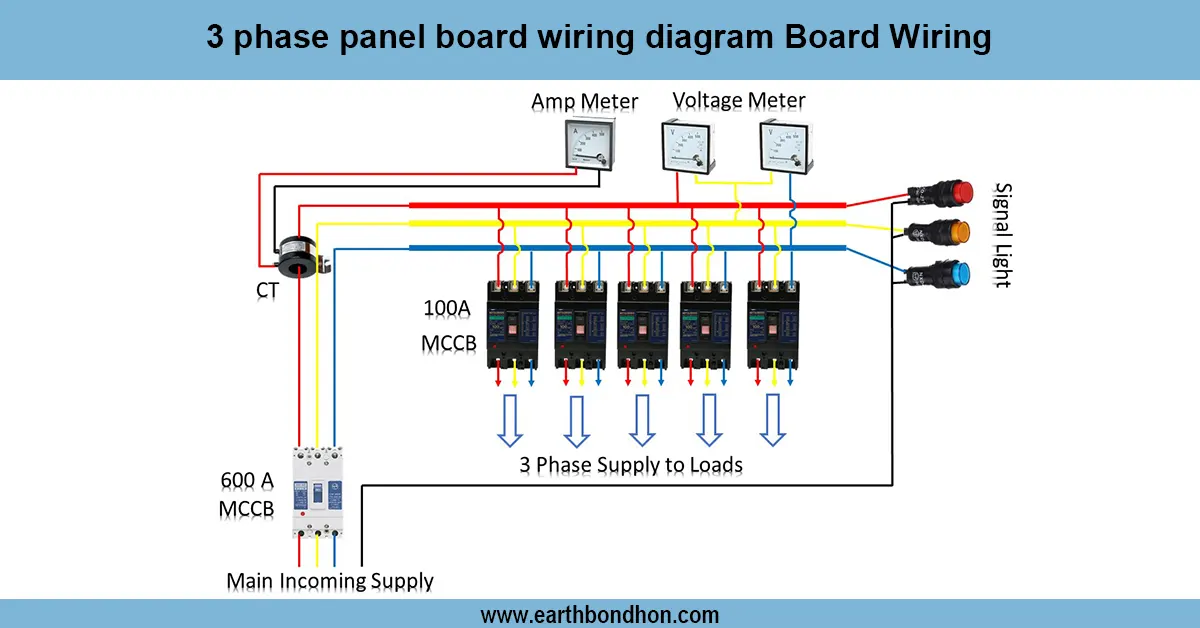
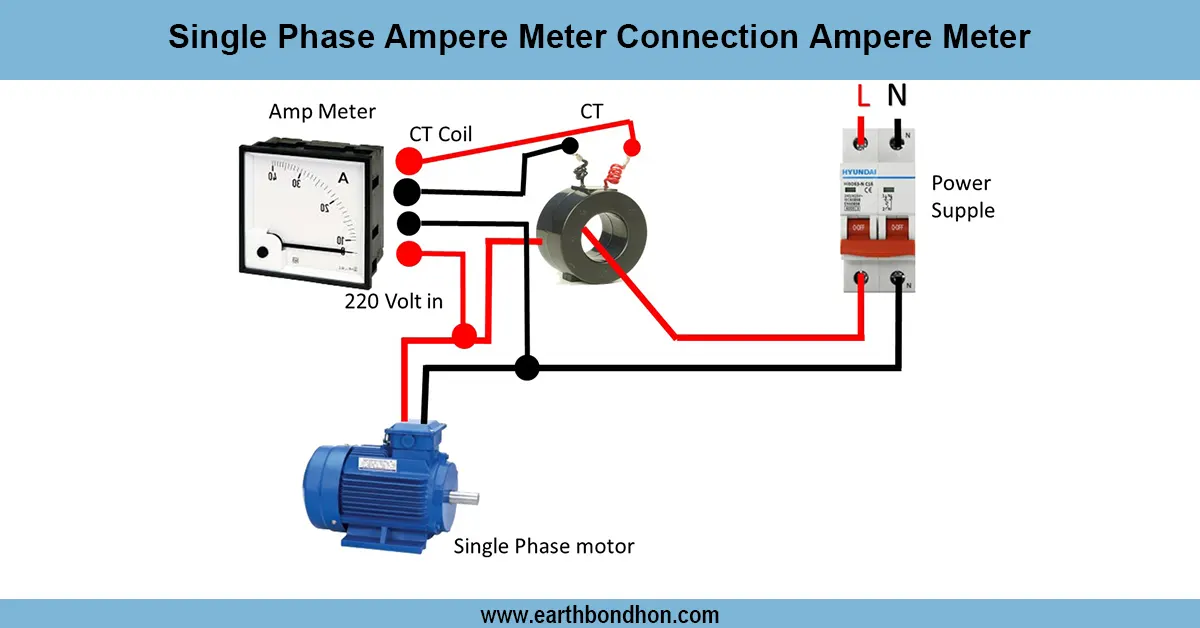
A one-phase Ampere meter is used to measure current in a domestic or industrial circuit. A current transformer (CT) may be used to connect it directly to high currents or to use it directly with low currents. The wiring entails the connection of the incoming phase via the meter terminals and the load line via the outgoing terminal. The meter is overloaded with a fuse. Correct polarity also gives a correct reading, and the phase should be connected to the input side and neutral, in case needed by the meter. An ammeter is normally attached to a distribution board or panel where current checking is required. It should be installed safely with appropriate insulation, appropriate connection, and appropriate choice of rating. This installation enables the homeowners or the electricians to check the current use, identify overloads, and ensure the safe use of the circuit.
Work & Installation Summary
- Turn off main supply before installation.
- Select a proper-rated ampere meter for the load.
- Connect incoming phase wire to the meter input terminal.
- Connect outgoing load wire to the meter output terminal.
- Use fuse or MCB in series to protect the meter.
- For higher currents, connect through a current transformer (CT).
- Mount the meter on the distribution board or panel.
- Ensure proper insulation and secure terminal connections.
- Verify polarity for accurate readings.
- Switch on the supply and check the meter reading under load.
Testing & Final Adjustments
- Check all connections are tight and insulated.
- Verify incoming phase is connected correctly to the meter.
- Ensure fuse or MCB rating matches meter specifications.
- Test the meter reading under no-load and full-load conditions.
- For CT meters, ensure secondary connections are correct and shorted when disconnected.
- Confirm polarity for accurate current measurement.
- Inspect mounting and panel for mechanical safety.
- Observe meter response during gradual load changes.
- Document installation for future maintenance.
- Repeat testing to ensure consistent and safe operation.