

Basic House Wiring Diagram
Learn basic house wiring diagrams with main switch, sockets, lights, MCB, and earth connections for safe and efficient home electrical installation.
safety electrical wiring home
Simple domestic wiring offers a safe electrical system in the house. It provides efficient power distribution, overload protection, and elimination of electric shocks using main switches, MCB/fuse, sockets, lights, and suitable earthing.
home lighting and socket wiring
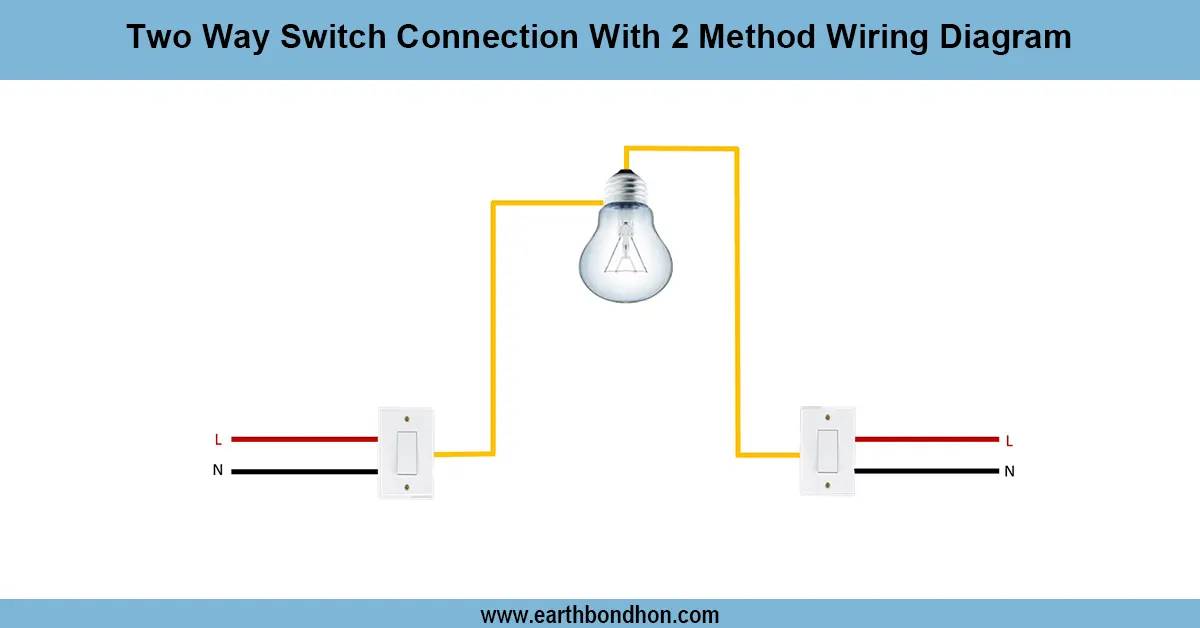
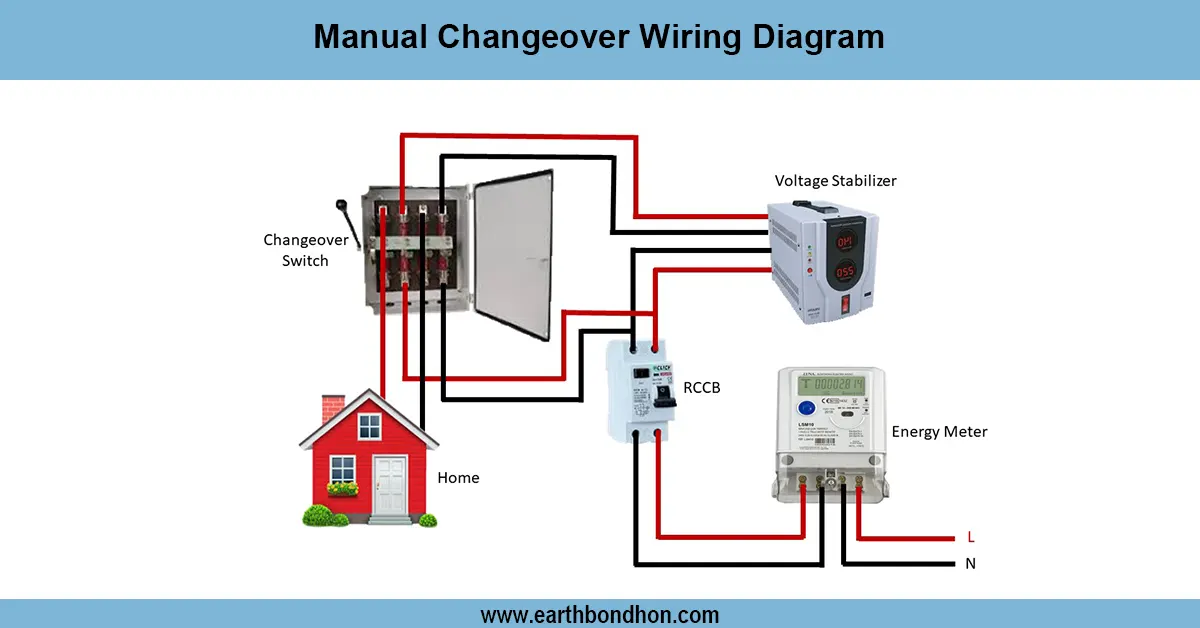
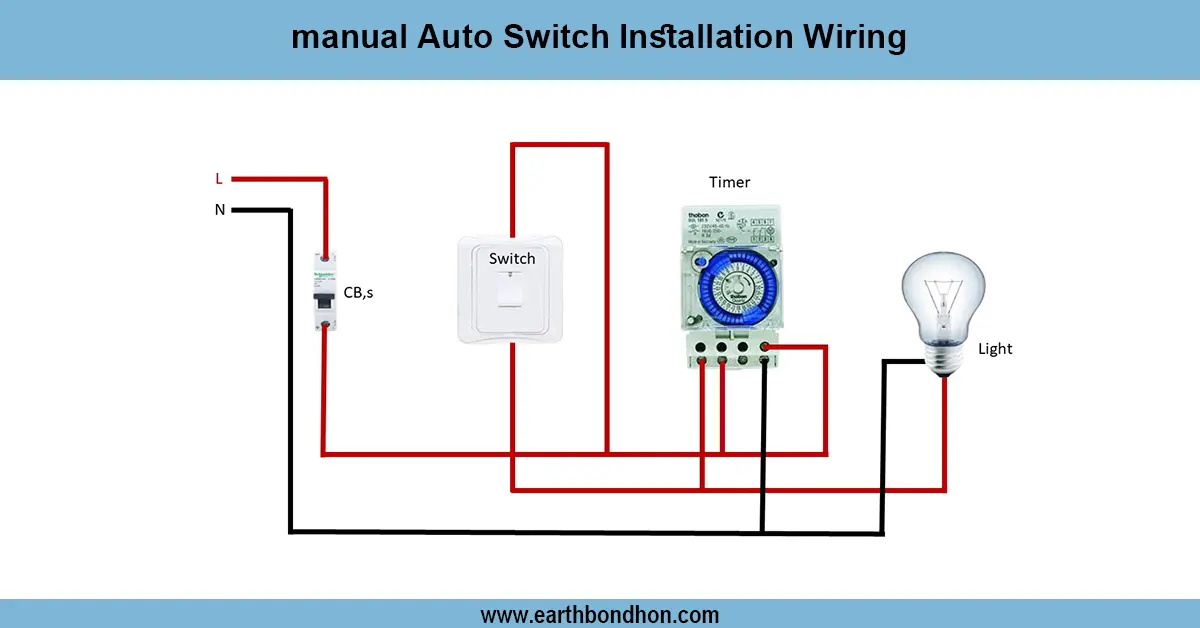
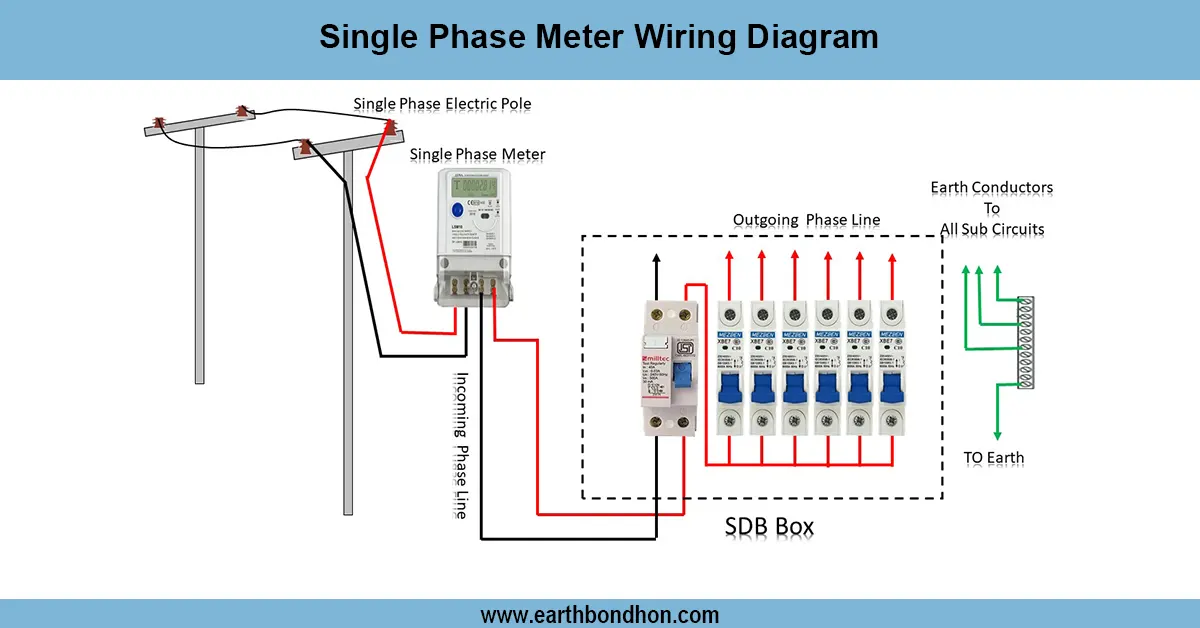
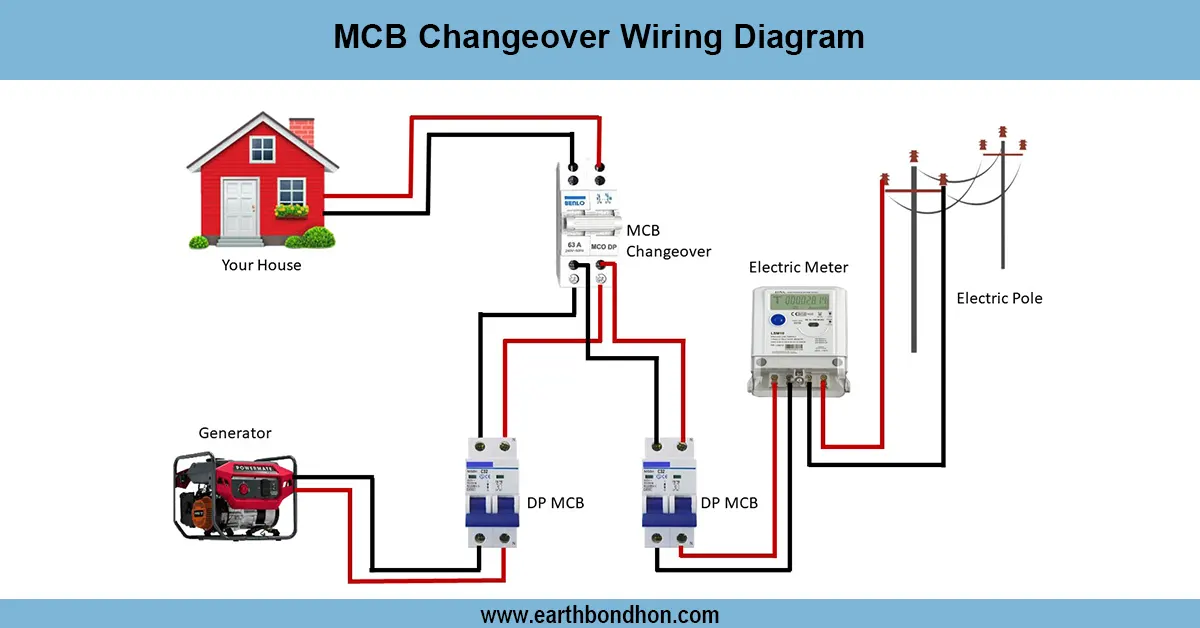
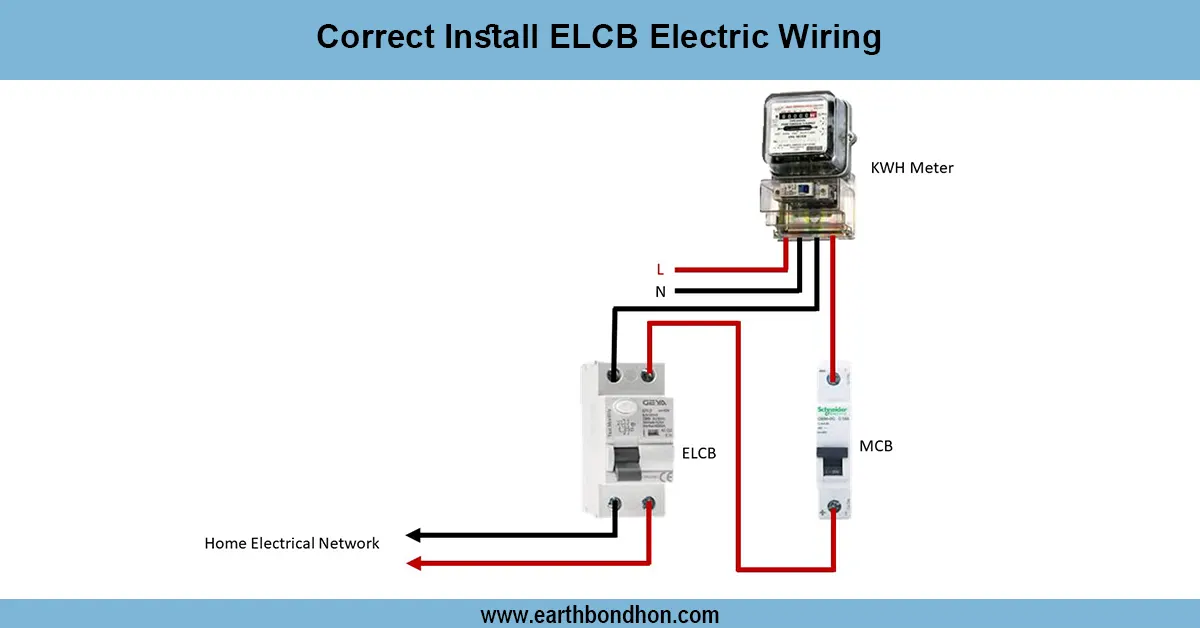
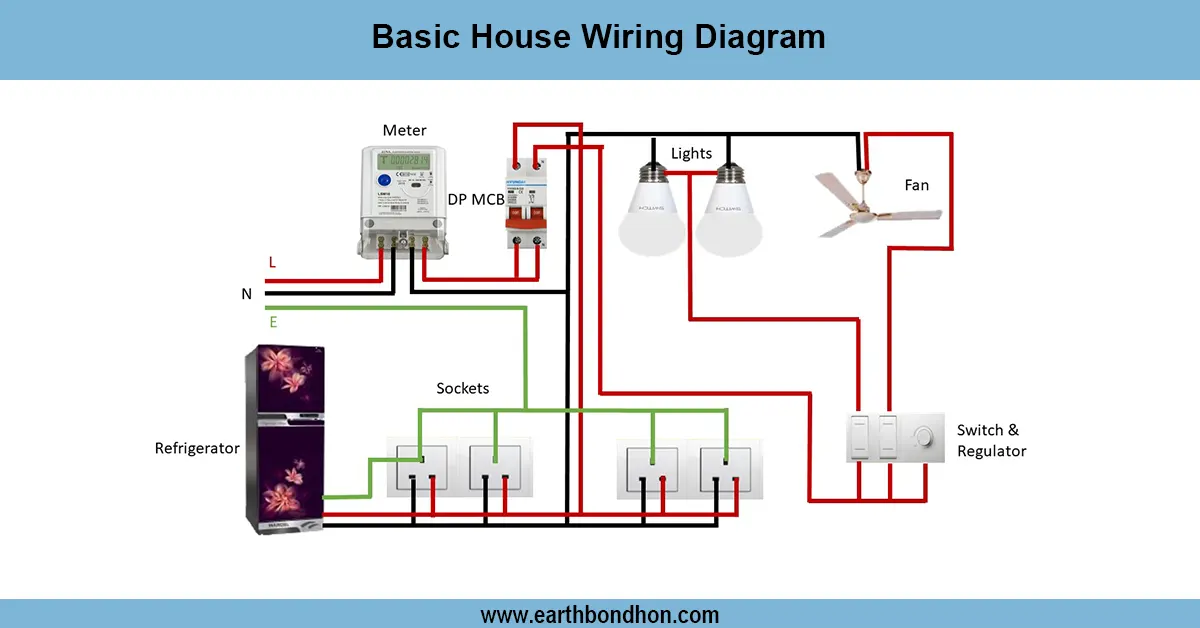
The simple house wiring diagram shows one way of connecting electricity safely inside a home building. The most important elements are the main switch, MCB/fuse, distribution board, sockets, lighting points, and earthing. The primary switch is used to turn on or off the supply of incoming power, and the MCB/fuse is used to protect circuits against overcurrent. The distribution board separates power to the various circuits providing lighting, fans, and sockets. Proper earthing guarantees the prevention of electric shocks. Single-core or multi-core wires can be used, and it is possible to wire according to color codes (phase, neutral, earth). This installation gives safe, systematized, and effective electricity provision at homes. It is commonly applicable in the construction of a new house, renovation, or even an electrical upgrade. When it is installed properly, tested, and in accordance with safety measures, it will be safe and will operate in a dependable manner, minimizing the probability of fire or electrical mishaps.
Work & Installation (Input → Output Summary)
- Main Power Supply enters the house via main switch.
- MCB/Fuse protects the circuits from overcurrent.
- Distribution Board splits power to individual circuits.
- Lighting Circuits supply lights and fans.
- Power Circuits supply sockets for appliances.
- Earthing ensures safety for all metallic equipment.
- Proper wiring ensures organized, safe, and reliable home electricity
Testing & Final Adjustments
- Check insulation resistance of all wires.
- Verify proper phase, neutral, and earth connections.
- Test MCB/fuse operation under simulated overload.
- Test MCB/fuse operation under simulated overload.
- Ensure all sockets and switches are properly fixed.
- Confirm earthing continuity for safety.
- Observe for sparks, overheating, or unusual sounds.
- Test emergency power-off using the main switch.
- Label circuits on the distribution board for easy identification.
- Record results to ensure reliable and safe house wiring.