How to Lower Utility Bills
Learn practical ways to reduce home electricity bills, including energy-efficient appliances, smart usage, proper wiring, and load management.
smart home electricity saving
Minimize your domestic electrical bill by purchasing power-efficient appliances and devices, smart usage, correct wiring, and load control. Minor adjustments result in huge savings.
electricity cost reduction tips
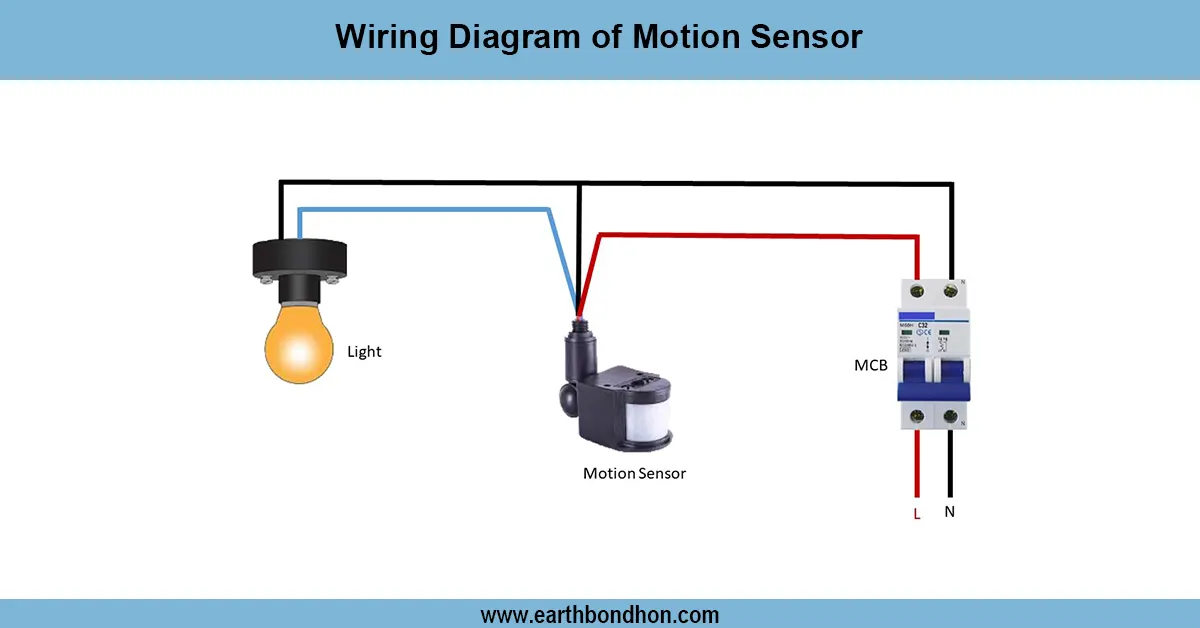
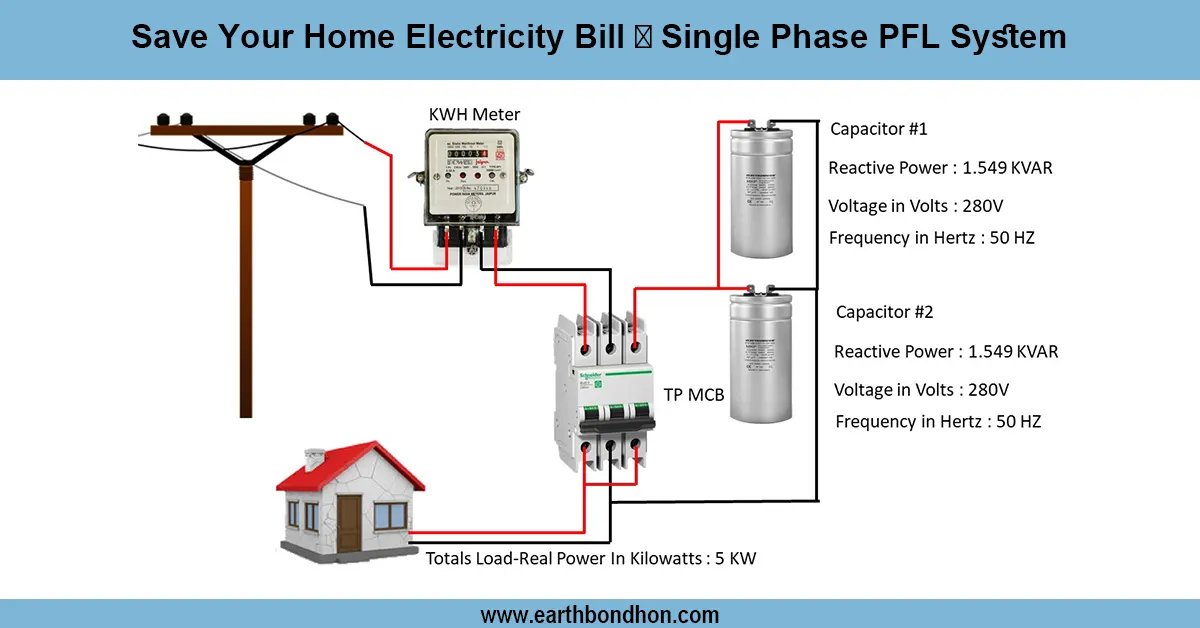
Conserving electricity at home saves money, avoids wastage of energy as well, and increases the lifespan of appliances. Begin by consuming energy-saving products such as LED lights, inverter ACs, and efficient motors. It is not advised to leave the devices in stand-by mode when they are not necessary, and to turn off the idle electronics. If the load is managed properly, then the heavy appliances will not be operating at the same time, and high bills will not be incurred. Have automatic lighting and device control using smart plugs, timers, or sensors. Proper wiring, grounding, and clean contacts should be maintained to minimize energy loss. In the case of high-consumption devices, voltage stabilizers or power factor correction devices can be taken into account in order to maximize the use of electricity. Track electric consumption with periodic smart meters or applications and train the members of the family to embrace conscious energy practices. All of these measures will decrease the power bill, conserve energy, and ensure consistent voltage in your home gadgets.
Work & Implementation Summary
- UseLED lights and energy-efficient appliances.
- Switch off idle devices and avoid standby power consumption.
- Manage load by running heavy appliances separately.
- Installtimers, smart plugs, or sensors for automation.
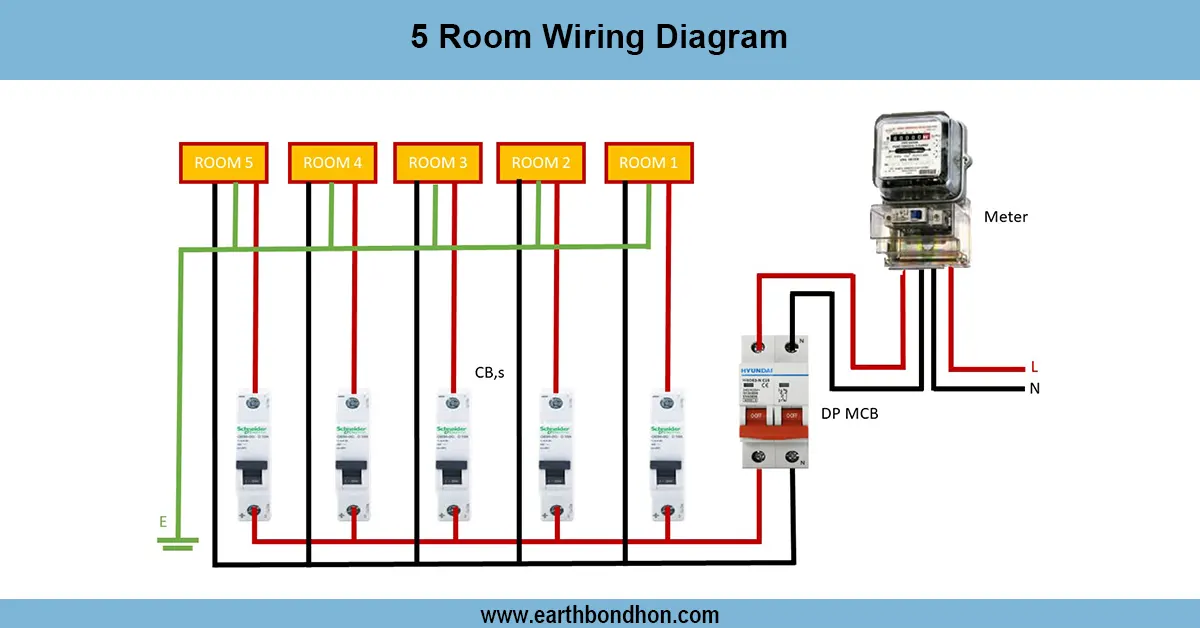
- Maintainwiring, earthing, and proper connections.
- Considervoltage stabilizers or capacitors for high-load devices.
- Monitor energy usage using smart meters or apps.
- Educate family members on conscious electricity use.
- Replace old appliances withenergy-rated models.
- Conduct periodicmaintenance of electrical panels and devices.
Testing & Adjustments
- Monitormonthly electricity bills before and after changes.
- Check applianceenergy ratings and replace inefficient ones.
- Verify timers and smart plugs operate correctly.
- Inspect wiring forloose connections or energy loss.
- Test voltage stabilizers and capacitors for proper function.
- Observeappliance performance after optimization.
- Record energy consumption patterns to adjust usage.
- Ensure family members follow energy-saving habits consistently.
- Adjust timers or schedules based on daily appliance usage.
- Review savings and implement additional efficiency measures if needed.