Creators
Md Jony Islam Author
Md Jony Islam
CalculatorToolsProjectExpert
Reviewers
Małgorzata Koperska, MD Steven Wooding
Last updated: January 14, 2026

Two Motor Control Using Two-Way Switch Wiring Diagram Guide

🇺🇸
English
Default
🇪🇸
Español
Spanish
🇫🇷
Français
French
🇩🇪
Deutsch
German
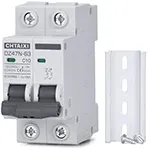
Single Phase DP MCB

Single Phase DP MCB

Double Pole Miniature Circuit Breaker for single-phase supply

2 Way Switch

2 Way Switch

A switch that controls one device from two locations

Single Phase Contactor

Single Phase Contactor

Electromagnetic switch designed for controlling single-phase electrical loads

Single Phase Motor 1Hp

Single Phase Motor 1Hp

Single-phase electric motor with 1 horsepower

*Please note: These are affiliate links. I may make a commission if you buy the components through these links. I would appreciate your support in this way!

Single Phase Motor

Learn how to wire two motors using a two-way switch, allowing control of each motor from two different points with proper protection and safe connections.

two motor control wiring diagram

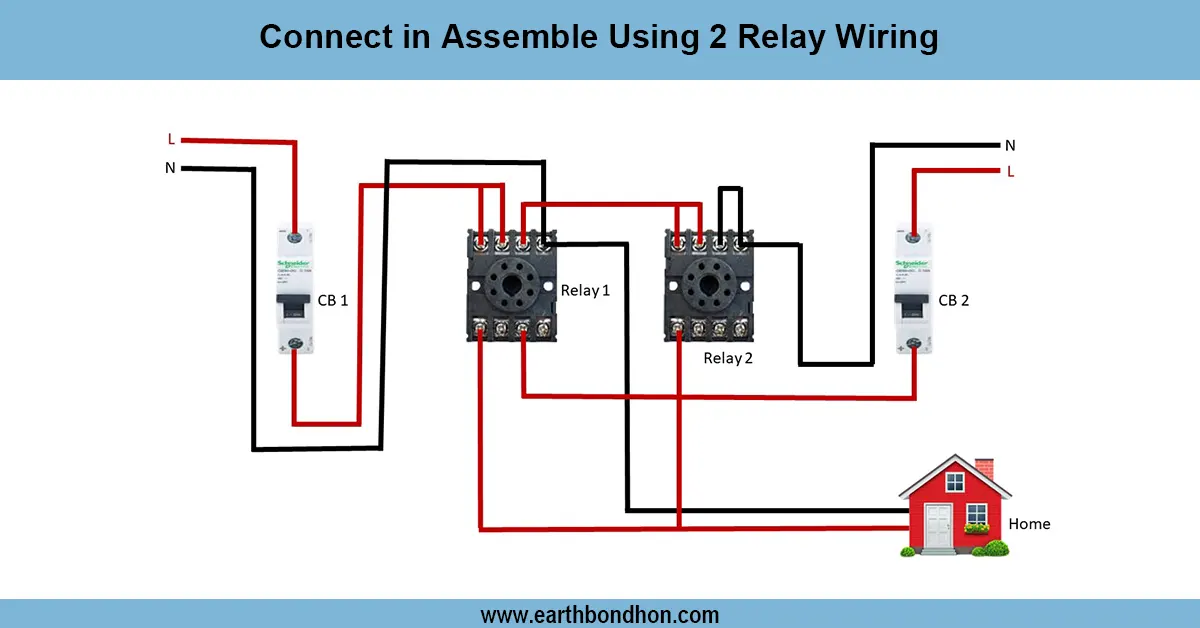
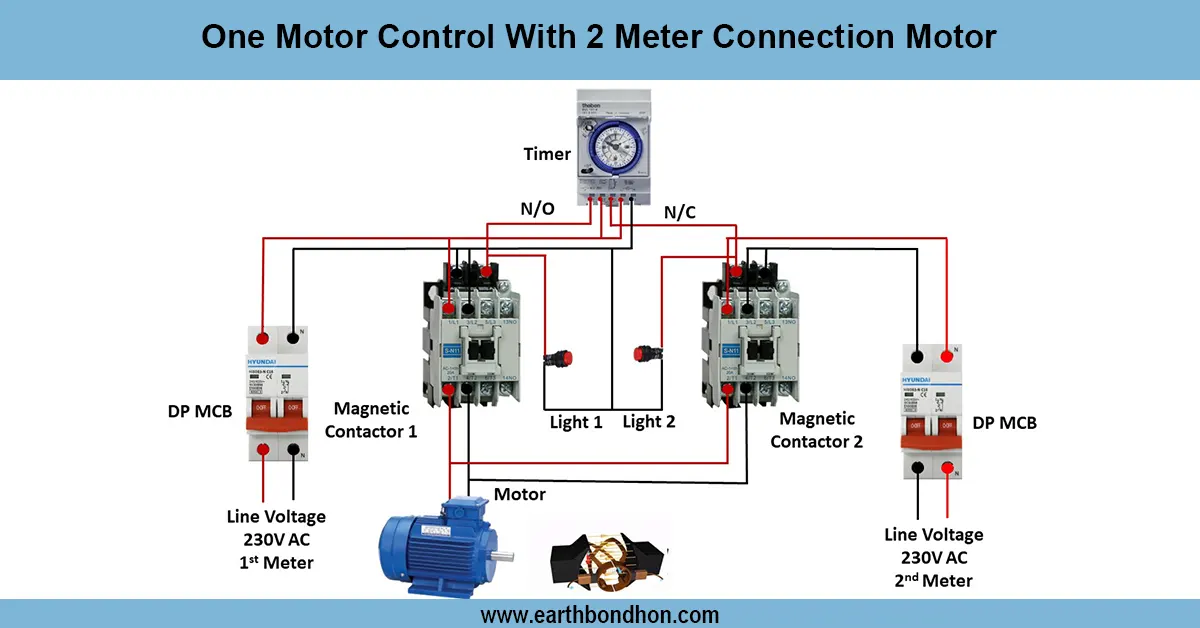
This circuit diagram demonstrates how to operate two motors with the help of two-way switches, such that anyone can remotely operate each motor in a safe and efficient way.

Motion Sensor Light Switch Diagram Summary

A useful and easy-to-follow tutorial on how to wire a manual switch to a motion sensor to switch on household lights. This paper describes the common features (line, load, neutral, ground, sensor module, and mechanical switch), common wiring configurations (sensor before switch, switch before sensor, and parallel override), and safety measures (turning off the breaker, checking for no voltage, and using suitable connectors). Single-pole circuits with incandescent, LED, and CFL loads are discussed by diagram and step-by-step. It is also mentioned in the guide that there are compatibility problems (sensor-neutral, inrush current with some LEDs) and tips to troubleshoot, such as false triggers or flickering lights. With installation recommendations, correct wiring, and adherence to the wiring diagrams, you will have a stable motion-sensitive light with a convenient on/off override to prevent accidents.

Work, Installation — Inputs → Outputs

Outputs: mains Line (hot), Neutral, Ground, sensor module terminals (Line in, Load out, Neutral if required), optional manual switch terminals, lighting fixture. Operation: 1. Kill power; 2. Mount sensor and switch to correct boxes; 3. Connect neutrals (unless sensor requires neutral); 4. Route Line through sensor (or switch); 5. connect sensor Load output to the hot of a fixture; 6. bond ground; 7. tighten connectors and assemble devices; 8. restore power and sensor sensitivity/time setting. Outputs: Light is operated automatically by motion sensing and manually by switch override or series cutoff upon wiring selection, sensor timing, and sensor sensitivity control auto-off operation.

Testing and Final Adjustments

When wired and power is restored, test in stages: ensure that the sensor is operational (indicator LED, where required). Enter the detection zone to check that the light is turned on and remains on during the period of the set time. Check the manual switch in both modes (ON and OFF) to check expected behavior - if wired in series, the switch must completely cut off; if wired as an override, the switch must switch the light on, whether the sensor is active or not. Sensitivity and time-out: make sensitivity higher when the false triggers are too high, and time should be longer when the light shuts off too fast. LED/CFL loads: Check flicker; install sensor models with an electronic load, or add a dummy load. Last but not least, seal all the devices, label a breaker, and record sensor settings. When issues do not disappear, retest the neutral connection and verify that the sensor model is correct about the type of fixture and load wattage.

Frequently Asked Questions - Single Phase Motor:

What is two motor two-way switch wiring?

A wiring setup allowing control of two separate motors from two different locations.

Can each motor be controlled independently?

Yes, each motor has its own set of two-way switches.

Is protection required?

Yes, use MCBs or fuses for each motor.

Can high-power motors use this wiring?

Yes, install contactors to handle high current.

Is earthing necessary?

Yes, for switches and motors to ensure safety.

How are two-way switches connected?

They are wired in a loop so the motor can be operated from either location.

Can I add more motors?

Yes, but each motor needs its own two-way switch loop and protection.

What if a motor does not work?

Check the switch loop wiring, connections, and MCB/fuse status.

Why follow the wiring diagram?

Ensures safe, reliable operation and prevents electrical faults.

Can this be used in industrial applications?

Yes, commonly used in workshops and industrial setups.

Comments

Please login to comment.

Md Jony Islam

Md Jony Islam

Calculator Tools Project

Founder of Earthbondhon.com

a free online tools website designed to make everyday and engineering-related calculations easier for students, professionals, and hobbyists. The site offers a wide range of basic calculators across key categories, including Electrical Calculators, Electronic Calculators, and Time & Date Calculators.