

single-phase Distribution Board Wiring Diagram
Learn single wiring distribution board connections, including phase, neutral, MCBs, DP switch, and earthing for safe and organized electricity distribution in homes.

single phase distribution board wiring
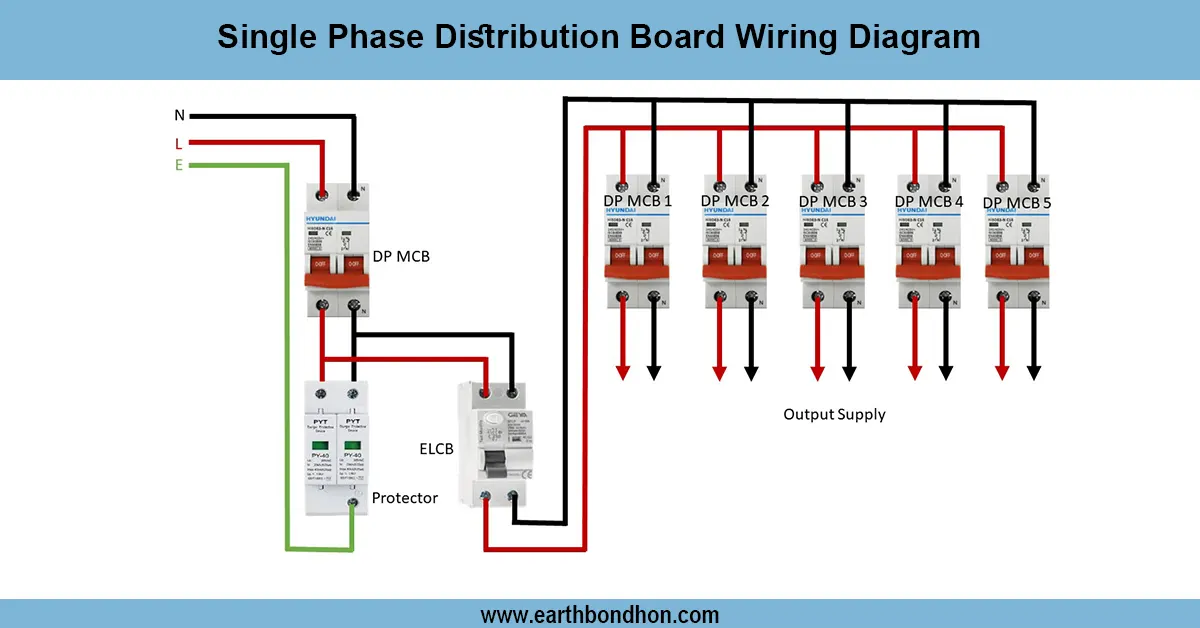
Each wiring distribution board has only one wiring diagram designed to provide phase and neutral connections to the bus bars and individual MCBs with DP switch/MCBs, to provide safe and organized distribution of electricity.
single phase main switch distribution board:
A single wiring distribution board is a central distribution board used in distributing electricity in a small office or home, which is now safe. The phase and neutral wires of the main meter pass through the board on a DP switch or an MCB, which isolates and provides overcurrent protection. This phase is linked to a phase bus bar, and the neutral is linked to a neutral bus bar. These bus bars are then fed with individual MCBs, which are then utilized to provide power to various load circuits such as lights, fans, and sockets. To avoid electric shock and be safe, the distribution board should be properly earthed. Wiring diagrams after completion mean less cluttering of connections in the circuit boards, less congestion, and easier repairs. Labeling of circuits is done correctly to identify every MCB and load. This will ensure efficient and safe distribution of electricity to all household or office circuits, eliminating any form of hazard and ensuring good management of power supply.
Work & Installation (Input → Output,)
- Input Supply: Phase and neutral from the main energy meter.
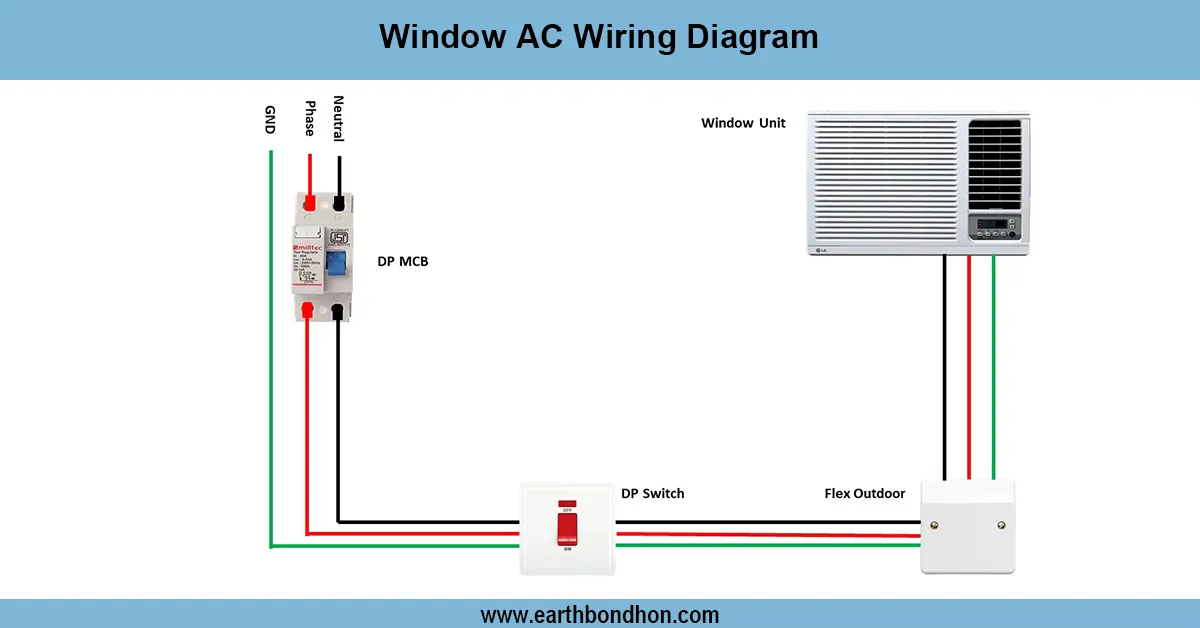
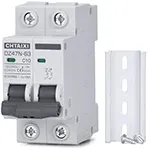
- DP Switch MCB: Provides isolation and overcurrent protection.
- Phase Bus Bar: Connects DP switch output to individual MCBs.
- Neutral Bus Bar: Connects all neutral wires of load circuits.
- MCBs: Protect individual circuits such as lights, fans, and sockets.
- Earthing: Distribution board frame and bus bars connected to proper earth.
- Output: Each circuit receives safe, controlled electricity for daily use.
This assures rational, secure, and effective single-phase electricity distribution.
Testing & Final Adjustments
Wire then switch on the DP Switch/MCB and test the circuits. Ensure the lights, fans, and sockets can get adequate voltage (~220240 V). Check all connections in regard to tightness, proper location, and insulation. Check continuity of earthing. Turn off all MCBs by turning off to ensure that it is only the intended circuit that is turned off. Protect against the overloading of a test with a high current conditions simulation. Label circuits and all MCBs so as to identify them easily. Safe, reliable, and organized operation of the distribution board is achieved by proper testing, and overloading, short circuits, and electric shocks are avoided. Regular inspection and maintenance increase the life of the board and other related appliances in the homes or offices, and this will ensure an efficient and nonstop power supply.