3-phase Motor Changeover
Learn to run two motors with a selector switch, including wiring, control circuit, overload protection, and safe operation for industrial or home use.
motor control using selector switch
A switching device is a type of a selector switch that enables the operations of two motors with one control. The correct wiring, as well as overload protection, are the keys to safe and reliable working without conflicting motors.
electrical motor selector guide
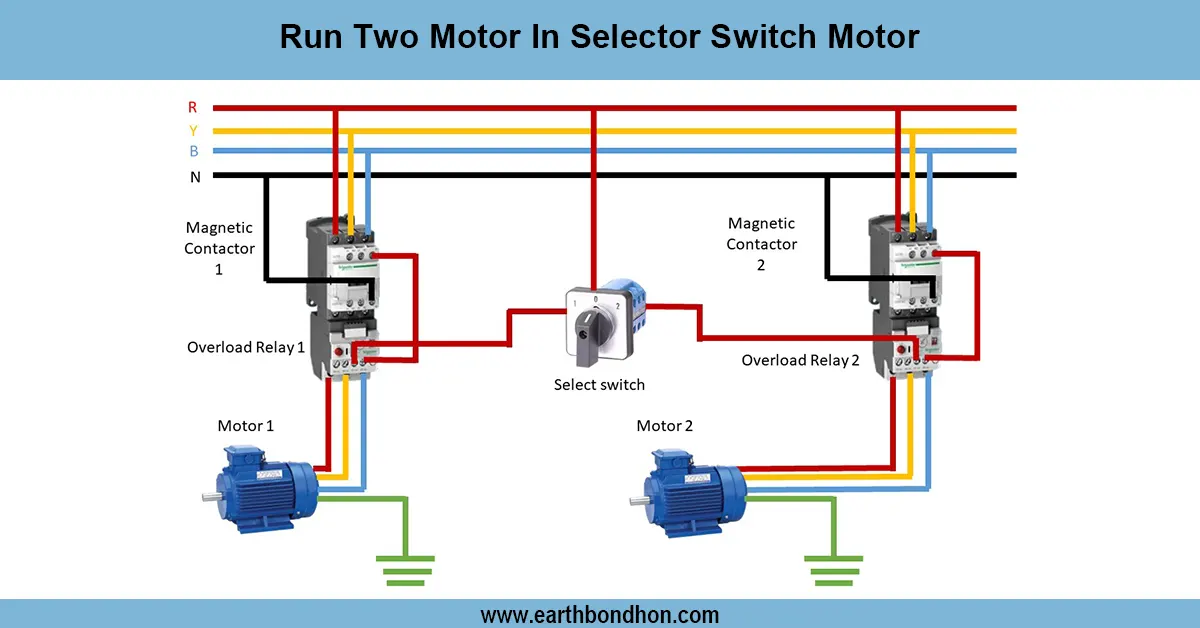
The control of two motors can be done safely using a single control point, using a selector switch. The selector switch enables the user to select the motor to run and does not allow them to run both at the same time as required. The closed circuit is wired to the common of the selector switch, and d separate line supply is wired to the various motor contactors or the motor direct terminal. Each motor must have an overload relay or a fuse to protect against current overload. Additional control can be provided by using push buttons or start/stop switches. An installation done properly will guarantee safe switching, overload, and dependable operation of the motor. Testing involves checking each motor to ensure that each runs when activated, that the position of the switch (a selector) is in relation to the appropriate motor, and that overload protection is functioning properly. The technique is widely applied in industrial and agricultural applications, wherein two motors are on the same control panel.
Work & Installation (Input → Output Summary)
- Connectline supply to the common terminal of the selector switch.
- Run separateoutput wires from switch positions to each motor contactor or motor terminals.
- Installoverload relay or fuse for each motor line.
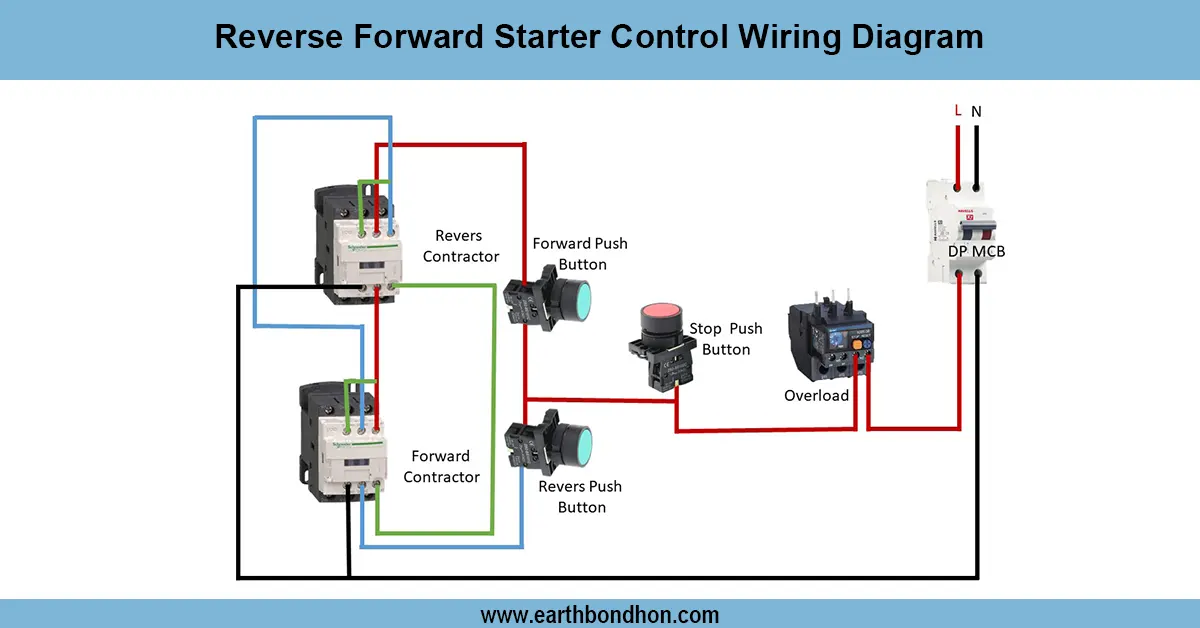
- Connect start/stop push buttons if required for each motor.
- Ensure the selector switch is correctly labeled for each motor.
- Mount the motors and the selector switch securely.
- Verify correctphase sequence for three-phase motors.
- Test switch operation: only the selected motor should run.
Testing & Final Adjustments
- Verifyline, neutral, and earth connections.
- line, neutral, and earth connections.
- Confirm overload relays or fuses operate properly.
- Check that each motor runs independently.
- Ensure no simultaneous operation if not allowed.
- Inspect wiring fortight connections and insulation.
- Test multiple switch cycles for reliability.
- Label the switch and motors for easy identification.
- Document wiring and protection settings for maintenance.