Time Switch to control Street Lights
Learn how to wire a time switch to automatically control street lights, including AC supply connection, load wiring, and protection devices for safe operation.

time switch wiring diagram for street light
The wiring diagram of time switch street lights shows how to wire the supply of AC power along with the load to the timer that lights may automatically turn ON at sunset and turn OFF at sunrise to save electricity and reduce the manual operation of the street lights.
street light timer switch connection diagram:
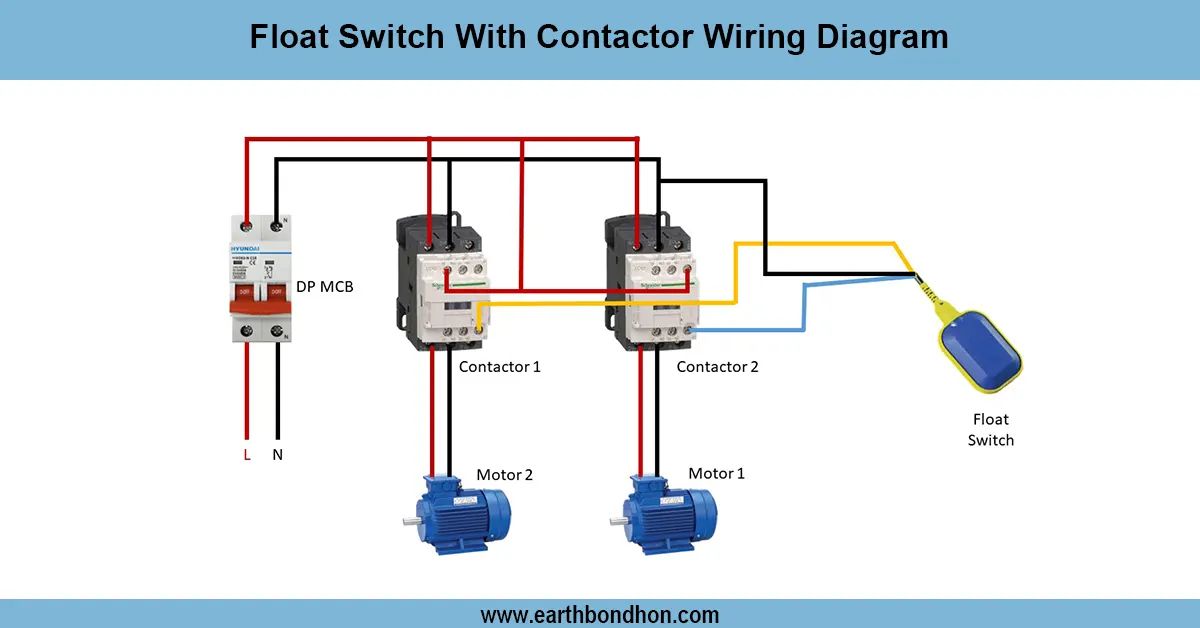
A time switch can be programmed to allow street lights to turn on and off at established time intervals to enhance energy savings and minimise human intervention. Connection to the time switch input is with a single-phase AC supply to the time switch and to the light source at the output. A series of an MCB or fuse is provided to protect against overload. The time switch and poles of the street lights should be properly earhed. Time switches can either be mechanical or digital, and the setting can be varied as ON/OFF. The digital time switches are characterized by accurate scheduling, reserve, and override features. Adhering to the wiring diagram is the way to guarantee the correct functioning, minimize energy consumption, and avoid the occurrence of electrical risks. Time switches have been widely employed in the streets, parks, and parking lots, and in industrial places.
Work & Installation (Input → Output,)
- AC Supply Connection: Connect live (L) and neutral (N) from mains to the input terminals of the time switch.
- Load Connection: Connect the street light(s) to the output terminals of the timer.
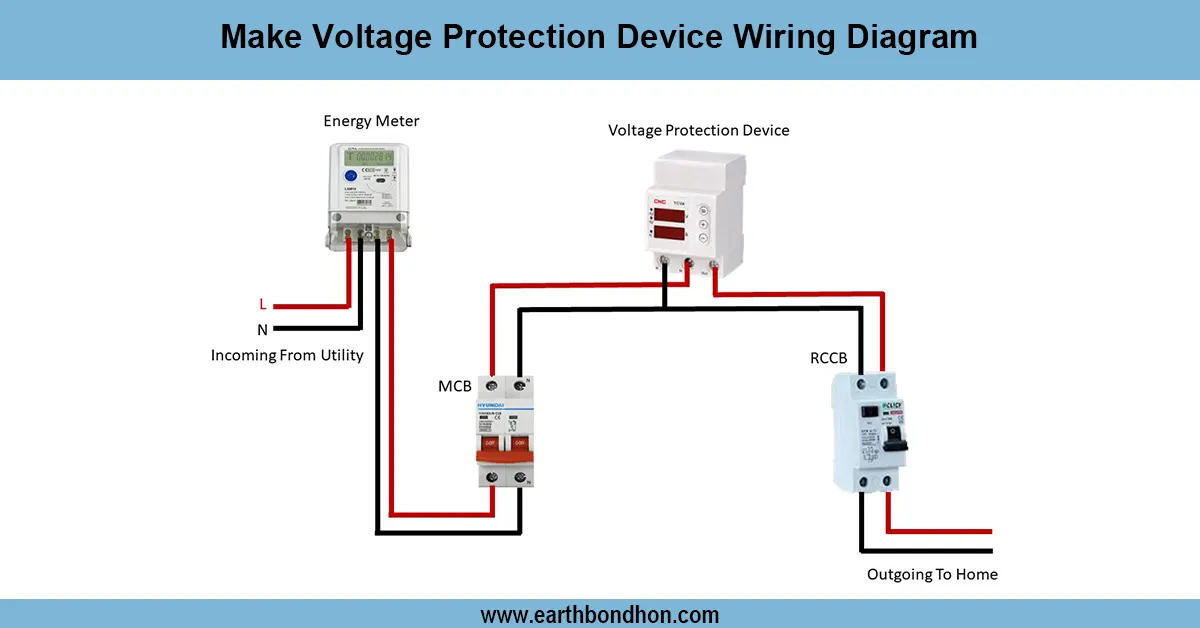
- Protection: Install an MCB or fuse in series with the live wire to protect against overload or short circuit.
- Earthing: Properly earth the time switch body and light fixtures for safety.
- Timer Setting: Adjust the ON and OFF times according to sunset and sunrise or the required schedule.
- Operation: At the preset ON time, the time switch energizes the street light circuit; at the OFF time, it de-energizes automatically.
- Output: Street lights operate automatically according to schedule, conserving energy and reducing manual switching.
Testing & Final Adjustments
Wire up and then switch ON the AC supply and check the time switch display. Test the immediate ON/OFF operation by manually operating the timer. Notice the lights in the first automatic cycle to have them come on and off at the right time. Ensure that all connections are tight, well-insulated, and earthing. Make sure that the protective devices (MCB/fuse) have the correct rating in accordance with the total load. In case of several lights, make sure that the sum of current is not more than the timer and MCB limits. Change the settings in the timer in case of need. Label everything in case of easy identification of the wiring. Periodic checkups ensure good performance, save on energy, and eliminate defects. When installed properly, electrical risks are reduced and lights and timers have a long life.